





The Coppola Muse: A Career Reborn
The pivot began with one director: Sofia Coppola. In 1999, after a decade as a successful child and teen actor, Dunst starred in Coppola’s directorial debut, *The Virgin Suicides*. Playing the ethereal, doomed Lux Lisbon, she shed her girl-next-door image for something more haunting and complex. The film premiered at Cannes’ prestigious Directors’ Fortnight section, instantly signaling Dunst’s arrival in a new, more discerning cinematic world. This wasn't a blockbuster; it was an atmospheric, melancholic tone poem. Their collaboration deepened with *Marie Antoinette* (2006), a punk-rock period piece that, despite a mixed reception at its Cannes competition premiere, has since been hailed as a cult classic. For Dunst, it cemented her status as Coppola’s muse
and proved her willingness to take on unconventional roles that prioritized artistic vision over commercial safety.
The Auteur's Choice: Embracing the Risk
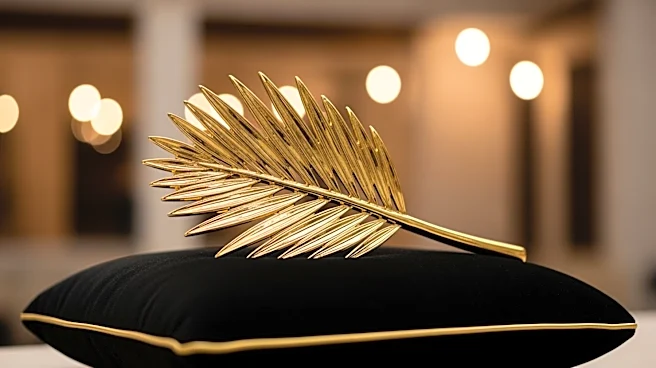
If Coppola opened the door to the art house, Danish provocateur Lars von Trier blew it off its hinges. In 2011, Dunst starred in his apocalyptic masterpiece, *Melancholia*. The role of Justine, a bride grappling with a profound, world-ending depression, is one of the most challenging in modern film. It’s a performance of raw, unflinching vulnerability that could have been a career misstep in lesser hands. Instead, it became her crowning achievement. The film competed at Cannes, and while von Trier’s controversial press conference comments nearly overshadowed the movie, Dunst’s magnificent performance cut through the noise. She deservedly won the festival’s coveted Best Actress award, an honor that officially validated her as one of the finest actors of her generation. It was a risky bet that paid off spectacularly, proving she was not just an indie darling, but a world-class dramatic force.
From Attendee to Queen of the Croisette
Kirsten Dunst’s relationship with Cannes isn’t just about showing up with a great film; it’s about being part of the festival's fabric. Her filmography reads like a Cannes greatest-hits list: Walter Salles’ *On the Road* (2012) and a reunion with Sofia Coppola for *The Beguiled* (2017) both competed for the top prize, the Palme d'Or. Her presence became a seal of quality. The festival, in turn, recognized her deep understanding of cinema. In 2016, she was invited to serve on the main competition jury alongside respected international filmmakers and actors. This is an honor reserved for artists who are seen not just as stars, but as true connoisseurs of the craft. Being a juror at Cannes is the ultimate insider acknowledgement—it means you are trusted to help shape cinematic history.
A Legacy of Smart Choices
Dunst’s indie credibility doesn't mean she only makes small, obscure films. It’s about the *intelligence* of her choices, regardless of scale. That hard-earned reputation allows her to elevate any project she joins. When she signed on for Jane Campion’s Oscar-winning Western *The Power of the Dog*, her presence lent the project another layer of prestige. Her recent lead role in Alex Garland’s high-concept thriller *Civil War* benefits from the same effect; her casting signals that this is more than a simple action movie. She has masterfully navigated Hollywood by building a brand based on taste, not just bankability. She leveraged her early fame to build a career of artistic substance, choosing directors and roles that challenged her and the audience. That’s the kind of credibility money can’t buy, but years of smart, brave decisions can.