






An Unfair Physical Advantage
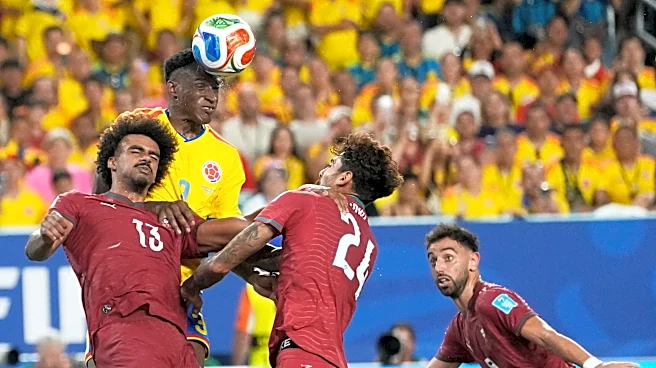
The most obvious reason defenders are a threat on attacking set pieces is their physical profile. Center backs are often the tallest and strongest players on the field. Their job, day in and day out, is to physically dominate opposing forwards in aerial
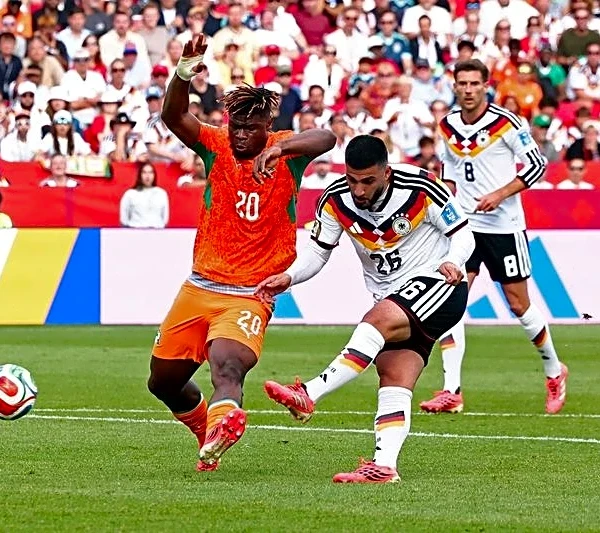
duels and challenges. When they go forward for a corner or a wide free-kick, they bring this size and strength into a chaotic penalty area. They are naturally built to fight for position in a crowd, using their bodies to shield space and out-muscle opponents. While strikers are marked by other defenders, a center back charging into the box creates an immediate mismatch. Often, they are picked up by midfielders or full-backs who are simply not accustomed to, or equipped for, such a physical, aerial battle. This creates a pocket of advantage that teams are specifically coached to exploit.
Masters of the Aerial Arts
Heading a soccer ball is a fundamental defensive skill. From a young age, defenders are taught the correct technique: keep your eyes on the ball, use your arms for balance and leverage, and attack the ball at the highest point of your jump. They spend thousands of hours in training practicing defensive headers—clearing the ball with power and distance. An attacking header is simply an application of this same core skill with a different objective. Instead of heading for distance, they head for goal. The principles of timing the jump, using their neck muscles to generate power, and making clean contact are already deeply ingrained. They are, in effect, weaponizing a part of their daily job description at the other end of the pitch.
A Calculated Tactical Disruption
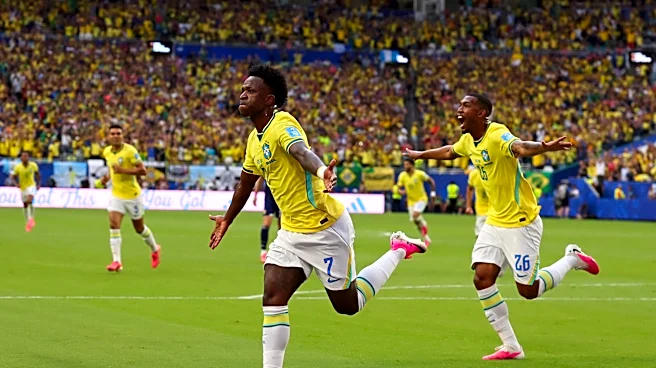
Sending a defender forward isn't just a hopeful punt; it's an act of calculated tactical disruption. A well-delivered corner kick aims for specific zones within the penalty box where an attacking player can get a run on the ball. By sending one or two large defenders into this area, a team forces the opposition to change its defensive shape. The defending team must decide whether to man-mark the towering intruders, which pulls their own best headers away from key zones, or stick to a zonal system, which can be vulnerable to well-timed runs. This creates confusion and opens up space not just for the defender, but for the team's traditional forwards who might benefit from the chaos. The presence of players like Brazil's Gabriel or the Netherlands' Virgil van Dijk on a set piece is as much a psychological weapon as it is a physical one, forcing opponents to react and potentially make mistakes.
The Mentality of the Unlikely Hero
There's a unique psychological component at play. A striker who misses a clear chance has failed at their primary job. But for a defender, a late-game attacking set piece is a zero-pressure opportunity for glory. They are not expected to score. Their presence is a bonus. This freedom from expectation can be a powerful mental advantage in high-stakes moments. They can attack the ball with pure aggression and abandon, knowing that their primary responsibilities lie 90 yards behind them. Think of Sergio Ramos's last-minute equalizer in the 2014 Champions League final or Marco Materazzi's goal in the 2006 World Cup final; these are moments where defenders, free from the normal anxieties of a goalscorer, stepped up to become legends. They embody the team's collective will to win, transforming from a guardian of their own goal to a threat at the other.