

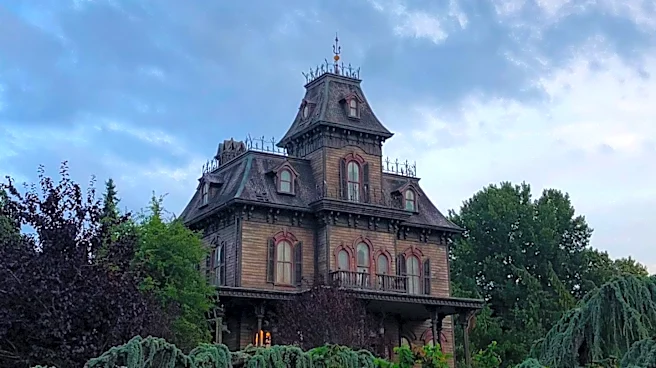
The Golden Rule: Less Is More
The logic behind hiding the monster has always been sound. Suspense hinges on the unknown, and a creature left to the audience's imagination is often far more terrifying than anything a special effects budget can conjure. This principle, often called
the "Jaws" effect, dictates that marketers should tease, hint, and imply a threat without ever giving a clear look at the source of the terror. Trailers are cut to build dread, not to reveal the final boss. They focus on reaction shots, eerie sound design, and quick, obscured glimpses to create a sense of foreboding. The goal is to sell the feeling of being scared, protecting the film’s biggest surprises for the theater. For years, showing the monster in a trailer was seen as a major spoiler, a sign that the studio either lacked confidence or didn't understand the genre. The monster was the final reveal, the terrifying payoff you had to buy a ticket to see.
Why the Old Playbook Is Fading
So what changed? The internet, for one. In an era of constant online chatter and spoiler culture, maintaining true mystery is harder than ever. More importantly, audience tastes have evolved. Today's horror fans are incredibly savvy; they've seen it all, and they often crave more than just a final-act creature reveal. The new bet is that a compelling concept, a unique aesthetic, or a powerhouse performance is a bigger draw than a secret monster. Recent successes have proven that unconventional campaigns work. The viral marketing for "Smile," where actors sat stone-faced and smiling at baseball games, didn't hide the film's core threat—it brought it into the real world, generating massive organic buzz. Similarly, the campaign for "Barbarian" intentionally hid the involvement of a key actor and the film’s wild second-act twist, proving that the narrative structure itself could be the big secret, not just the monster. These campaigns didn't just sell a scare; they sold a memorable, shareable experience.
Fall 2026's Rule-Breakers
This autumn's horror lineup is taking that lesson to heart. Take "Other Mommy," arriving in October. Its marketing isn't shy. Recent teasers prominently feature Jessica Chastain's terrifying titular character, showcasing her reality-bending powers and skin-crawling performance. The campaign is betting that Chastain's A-list turn as the villain is the main attraction. The marketing sells her performance as an event, trusting that seeing the monster will build anticipation rather than ruin the surprise. Similarly, Jane Schoenbrun's critically acclaimed "Teenage Sex and Death at Camp Miasma" is being sold on its unique, genre-bending vibe rather than a specific threat. The promotion highlights its meta-narrative about remaking a cult slasher film and its star-making turn from Hannah Einbinder, alongside a celebrated performance by Gillian Anderson. The marketing focuses on its pop-infused, intimate, and humorous take on horror, signaling that the experience of the film is more complex than a simple cat-and-mouse game with a killer.
The New Currency Is Vibe
The shift suggests a new confidence in the genre. Studios are finally realizing that many modern horror films offer more than just jump scares. They have bold ideas, distinct visual styles, and complex themes that can be assets in a marketing campaign. Instead of hiding the monster, they're showing off the film's unique flavor. This approach treats the audience as collaborators in the hype, trusting them to appreciate a great concept or a chilling performance without needing every detail kept under wraps. The goal is no longer just to protect a secret but to establish an unforgettable mood. It's a move from selling a question mark to selling an exclamation point. The new rule of horror marketing might just be that if you have something truly special—be it a haunting performance or a wildly original concept—the best thing you can do is show it off.