

An Icon in a Field of Influencers
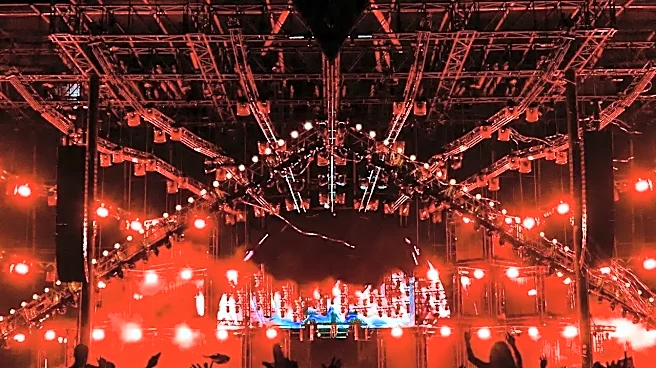
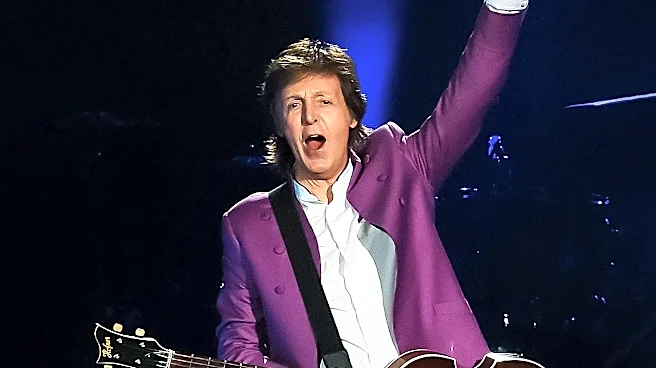
Austin City Limits, like most modern American music festivals, is a snapshot of the now. It’s a sprawling sea of fans eager to catch the latest buzz band, the breakthrough streaming star, or the hot-ticket rapper of the moment. So when Sir Paul McCartney,
a man whose career began before most attendees' parents were born, was announced as a headliner, it posed a fascinating question. In an era of disposable hits and TikTok-fueled fame, could a 76-year-old with a guitar truly connect with a crowd geared for the future? The answer, delivered over a history-making two-hour-plus set, was a resounding, undeniable yes. His presence transformed the field from a collection of disparate fanbases into a single, unified community.
A Setlist That Is the Culture
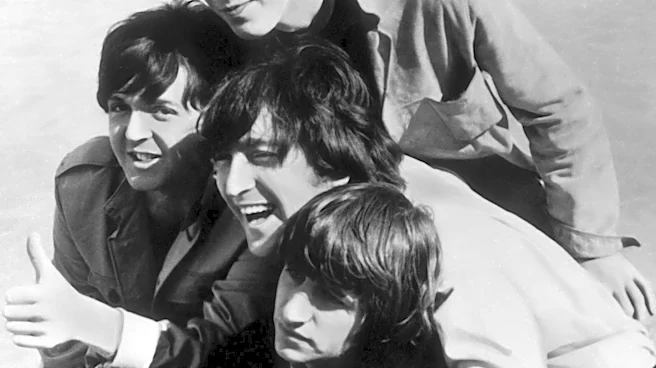
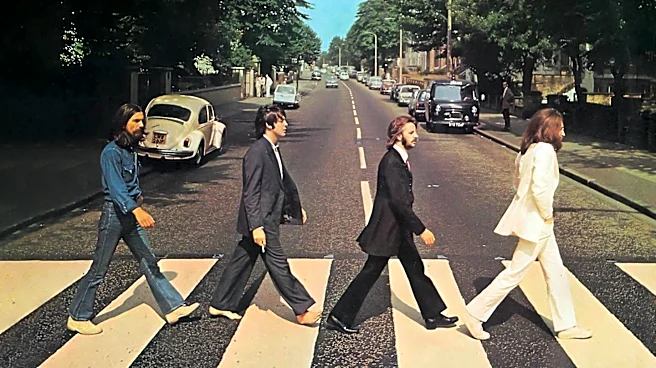
McCartney didn't just play the hits; he played the foundational texts of modern pop music. Kicking off with the raw energy of “A Hard Day’s Night,” the setlist was a masterclass in songwriting that spanned decades and genres. From the jubilant rush of “Can't Buy Me Love” to the stadium-rock pyrotechnics of the Wings classic “Live and Let Die,” each song was instantly recognizable. He wove in tender tributes to his departed Beatles bandmates, John Lennon and George Harrison, adding a layer of poignant history to the night. These weren't just old songs being dusted off; they were cultural artifacts, as vibrant and essential as ever, presented not as relics but as living, breathing anthems.
The Cross-Generational Singalong
The true power of the catalog was visible not on the stage, but in the audience. Reports from the festival noted the sheer diversity of the crowd—teenagers who may have only known the songs from their parents' playlists stood shoulder-to-shoulder with baby boomers who saw The Beatles on Ed Sullivan. When thousands of people, separated by age and experience, all join together to sing the cathartic “na-na-na” coda of “Hey Jude,” something profound happens. It’s a moment that transcends the typical festival experience. It wasn’t just about appreciating a legend; it was about participating in a shared cultural inheritance. The music served as a bridge, proving that a perfectly crafted melody and a universal sentiment know no demographic.
The Antithesis of Disposable Art
In a music landscape where catalog music now accounts for the vast majority of consumption, McCartney's performance was a real-world demonstration of why. His songs—rich with melody, complex harmonies, and relatable storytelling—stand in stark contrast to an algorithm-driven culture that often prioritizes fleeting moments over lasting impact. While other stages featured the sounds of right now, McCartney's set was a testament to the power of forever. He wasn't just performing; he was reminding a new generation that music can be more than a soundtrack to a video—it can be the story itself. The show wasn't a nostalgia act; it was a powerful statement on artistic endurance.