

The Philosophy of the 'Almost'
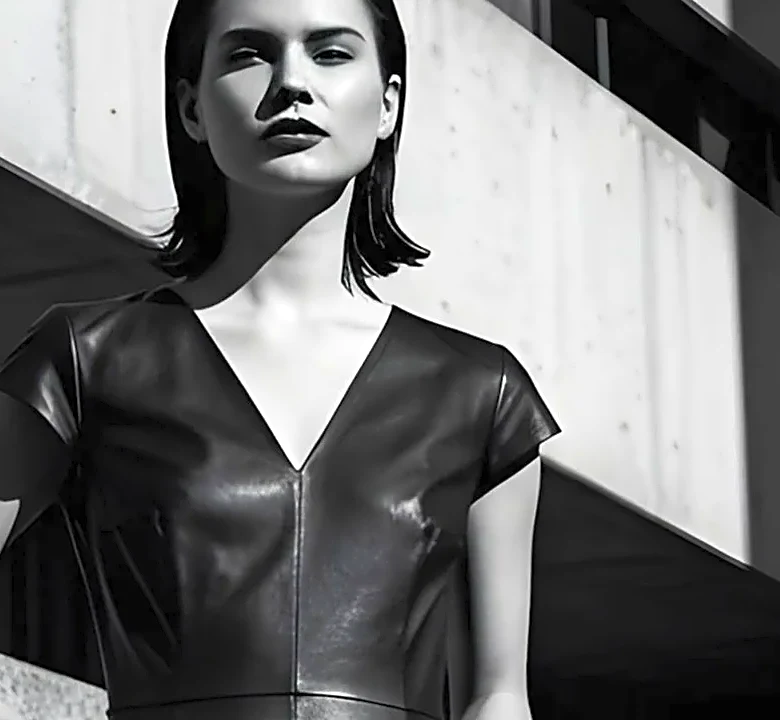
At its core, Prada's design ethos revolves around distortion. It takes universally understood archetypes of clothing—the trench coat, the pencil skirt, the V-neck sweater—and subtly corrupts them. This isn't about dramatic deconstruction, but about a quiet
and cerebral twist. The brand operates in the realm of the 'almost.' A skirt's hem might be a fraction of an inch too high, a sleeve cut just a bit too short, or a classic, luxurious fabric replaced with industrial nylon. It’s this deliberate act of making the ordinary feel extraordinary, and the beautiful feel slightly strange, that defines the house. This approach forces you to look closer and question why a particular garment feels the way it does. Instead of providing the comfort of pure familiarity, Prada offers the intrigue of the slightly askew, turning clothing into a conversation piece.
The Power of 'Ugly Chic'
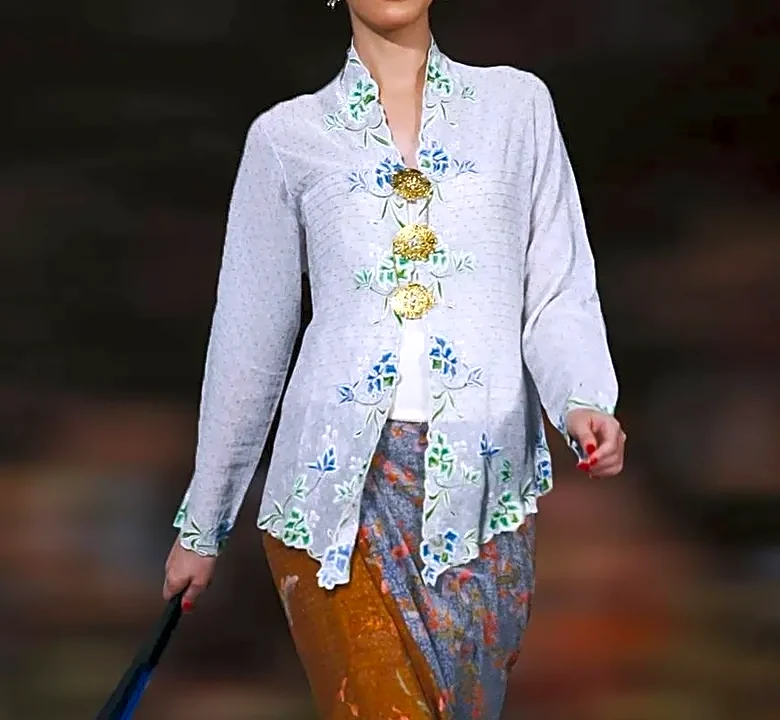
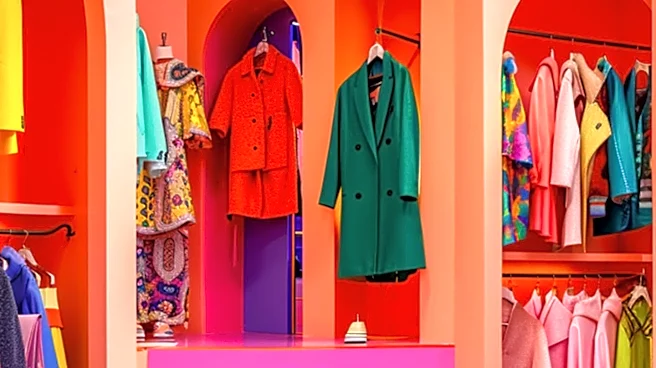
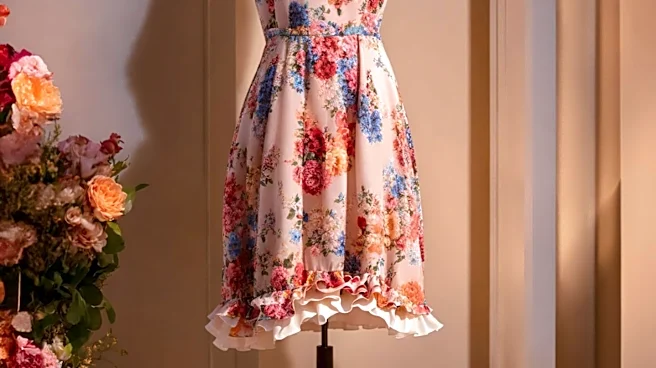
A key ingredient in this formula is Miuccia Prada's long-standing fascination with what she has called "ugly chic." Dating back to her groundbreaking Spring/Summer 1996 collection, she began to deliberately challenge conventional standards of beauty. This involved using patterns and colors often associated with "bad taste," like lurid greens or drab browns, and prints reminiscent of 1950s domestic textiles like tablecloths or curtains. By taking something considered ugly or banal and rendering it in a high-fashion context, Prada upends our aesthetic assumptions. It’s a way of asking what 'good taste' really is. This isn't about making genuinely ugly clothes; it's an intellectual exercise that finds beauty in the unconventional and argues that elegance doesn't have to be pretty.
The Miuccia and Raf Dialogue
Since Raf Simons joined Miuccia Prada as co-creative director in 2020, this core philosophy has been sharpened into a dialogue. Their collections often feel like a shared investigation into the meaning of clothes. For example, their Fall 2026 show presented a limited number of outfits on models who walked the runway multiple times, each time with layers added or removed. This highlighted how a single wardrobe can be adapted and transformed, reflecting the complex, layered lives of modern women. Simons, known for his own brand of intellectual, youth-culture-infused design, complements Prada's vision by focusing on silhouette and cut. Together, they explore questions like, "What do I wear with what?" and push the idea that there are no longer rigid rules for dressing. Their collaboration isn't a clash of styles but a fusion of two minds asking the same questions from different angles.
It's All in the Details
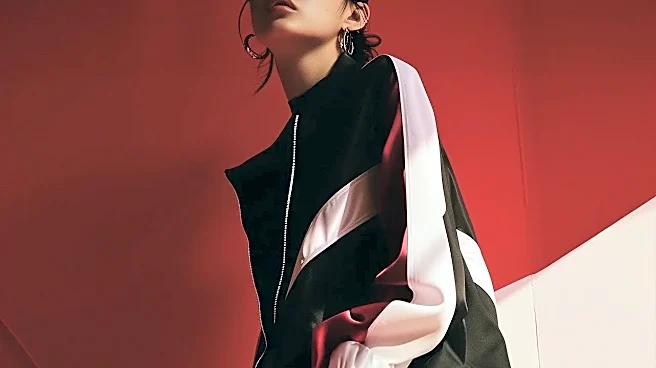
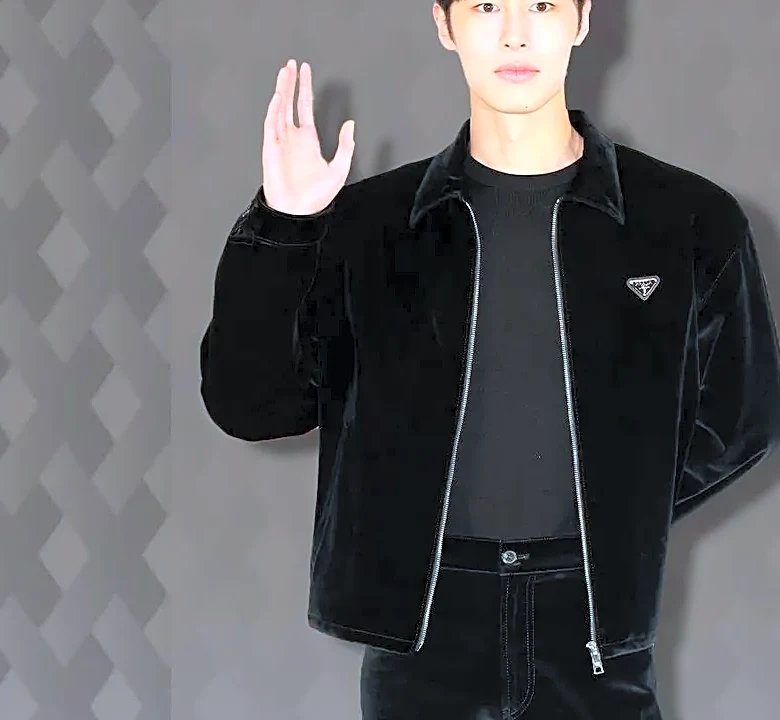
The unfamiliarity often lies in the details. The Spring/Summer 2027 menswear collection, for example, took the iconic five-pocket jean and radically reinterpreted it, crafting it from luxurious leathers and fine tailoring fabrics instead of denim. Deep V-necks on sweaters were plunged to an almost absurdly low point, and eyewear was created with mismatched frames. Other recent collections have featured shirts with deliberately stained collars or fabrics that appear to be peeling away, exploring ideas of decay and perfection. These choices are never random; they are intentional gestures designed to make you reconsider the garment itself. By combining contradictory elements—a utilitarian fabric on a formal dress, a childishly short scarf with a serious coat, or sportswear details on tailored pieces—the brand creates a productive tension. It's a kind of anti-logic that feels both odd and deeply compelling.