

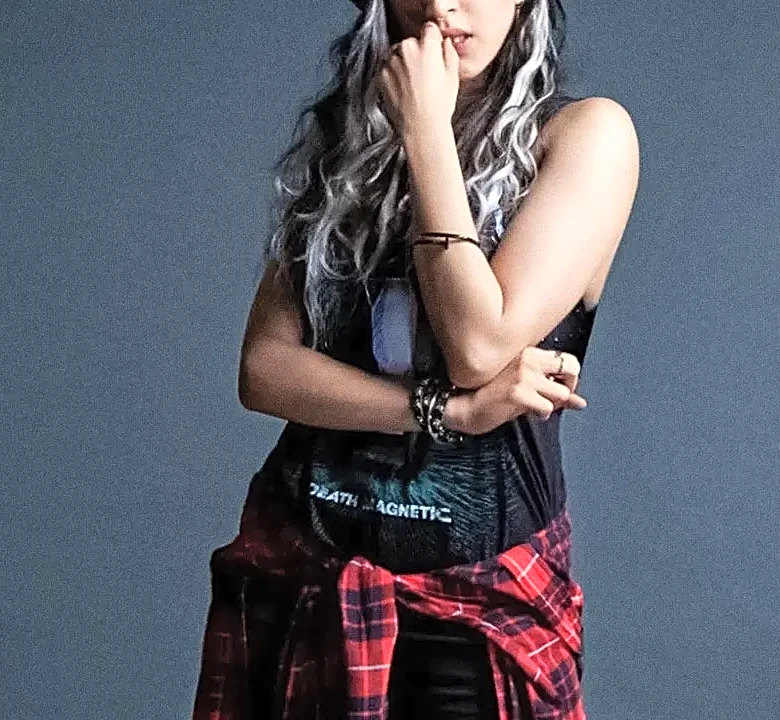
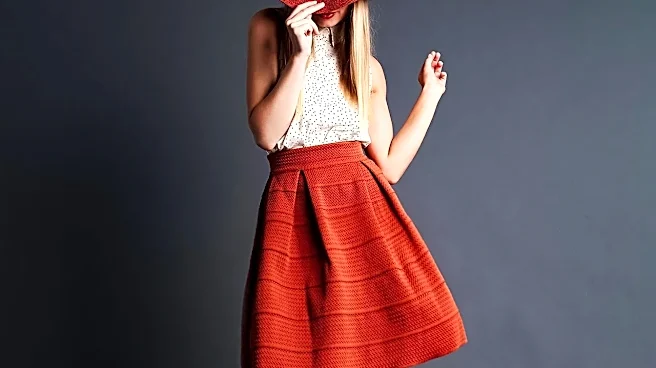
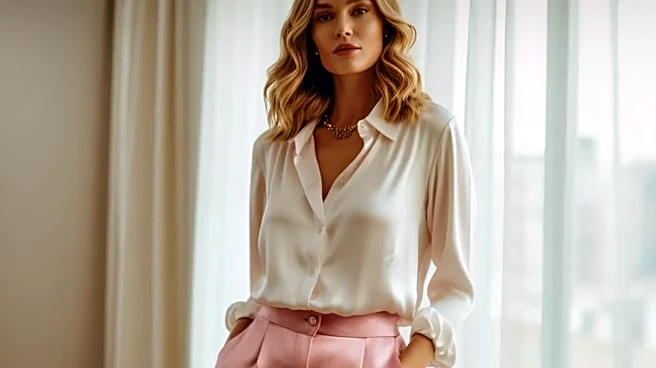
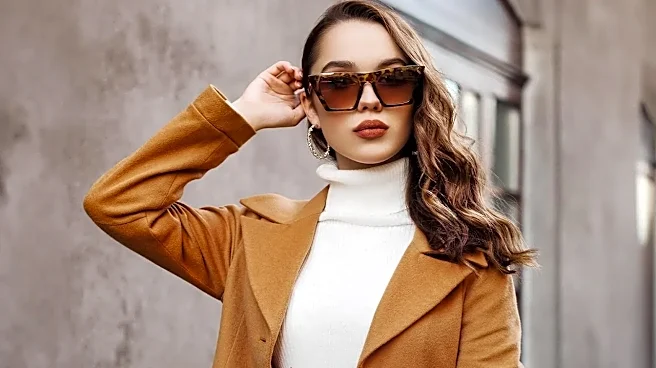
For years, style advice has been clear: the perfect short jacket hits at your natural waist. But this 'rule' is limiting. In reality, several lengths can work, provided you understand one key principle: it's all about proportion.
The Natural Waist 'Rule' and Why It Works
Let's start by acknowledging
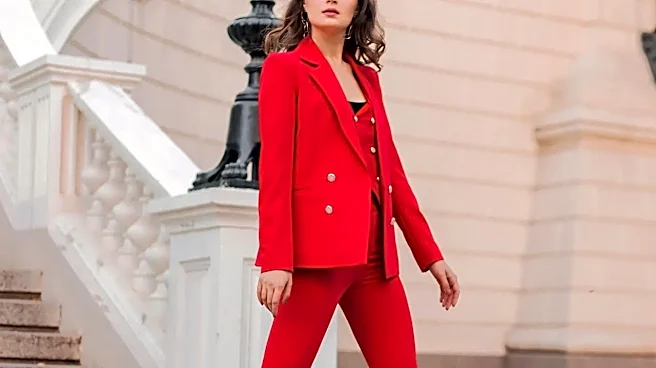
why the natural waist became the go-to hemline. A jacket that ends at the narrowest part of your torso instantly creates an hourglass effect. It follows the classic 'rule of thirds' in fashion, visually dividing the body into a 1/3 top and 2/3 bottom, which is almost universally flattering. This proportion elongates the legs and defines the figure, making it a safe and stylish bet, particularly when paired with high-waisted pants or skirts that meet the jacket's hem. This creates a clean, unbroken line that is undeniably polished and effective. The natural waist crop is a classic for a reason, but it’s far from your only option.
The Hip-Grazer: A Modern, Relaxed Alternative
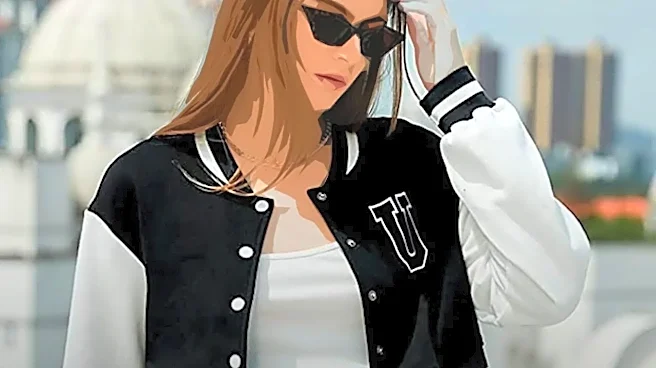
One of the most versatile and modern alternatives is the jacket that ends not at the waist, but slightly lower, grazing the top of your hip bones. This length offers a more relaxed feel than a sharp crop. It's crucial, however, to avoid a hemline that cuts across the widest part of your hips, as this can visually shorten your legs. A hip-grazing jacket shines with mid-rise or straight-leg jeans, creating a casual, elongated torso. It can also be layered over a dress to add structure without the severe cinch of a true cropped jacket. The key is to ensure the silhouette remains balanced; if the jacket is boxy, keep the bottom half slimmer to avoid a bulky look.
Proportion is a Relationship, Not a Rule
The secret to making any jacket length work is to stop looking at the jacket in isolation and start seeing it as part of an entire outfit. The length of a jacket creates a visual line, and its success depends entirely on how it relates to the lines of the clothes underneath. High-waisted trousers can make a very short, 'true' cropped jacket feel balanced, while that same jacket might look awkward with low-rise pants. A voluminous, hip-length jacket might pair beautifully with slim trousers but feel overwhelming with a full skirt. Think of it as a conversation between garments. A longer top peeking out from under a shorter jacket can look intentional if the proportions are right—for instance, a crisp, long button-down under a structured moto jacket—but can look messy if it's only a few inches longer and creates a cluttered midsection.
Fabric, Structure, and Volume Change Everything
Not all short jackets are created equal. The material and cut play a huge role in how the length reads. A stiff, structured tweed or denim jacket with a sharp hem creates a very defined horizontal line. In contrast, a soft, openfront knit or a draped bolero jacket creates a much softer, more forgiving line. A boxy, oversized short jacket adds volume and works best when contrasted with a leaner silhouette on the bottom, like fitted pants or a slip dress. A more fitted cropped jacket can handle more volume below, such as wide leg trousers or an A line skirt. Before you even consider the hemline, consider the jacket’s overall shape and structure, as this will heavily influence what it pairs well with.