





First, the Math is Totally Different
Let’s start with the basics. In the NBA, and almost all major American sports, the standings are based on a simple win/loss record. A game cannot end in a tie; it proceeds to overtime periods until one team is victorious. The league is built on a binary
system: you either won or you lost. There is no middle ground. The World Cup group stage operates on a completely different mathematical and philosophical plane. Teams get three points for a win, zero points for a loss, and—crucially—one point for a draw. A draw, or a “tie” as it’s often called in the U.S., isn’t a placeholder or an unresolved contest. It is a specific, point-awarding result. This single difference fundamentally changes everything about how the game is played and perceived. It ceases to be an anticlimax and becomes a calculated outcome.
It's All About Scarcity
The context of the season or tournament dictates the value of a single result. An NBA team plays 82 regular-season games. A single game, especially early in the season, is a drop in the ocean. Forcing overtime to settle a tie is a low-stakes proposition. There is no strategic value in ending the game with the score knotted; you just play another five minutes. Contrast that with the World Cup group stage: a team plays only three games. Three. That’s it. In this environment of extreme scarcity, every single point is precious metal. Earning one point from a draw isn't a failure to get three; it’s a success in avoiding zero. In a tournament where goal differential is often the tiebreaker that sends a team home, preventing a loss is nearly as important as securing a win. A draw against a heavily favored opponent isn’t just a point—it’s a monumental achievement that can feel like a victory.
The Strategic Value of a Stalemate
Because a draw carries point value, it becomes a key part of team strategy. Imagine this scenario: your team is in its final group stage match. You know that a draw is enough to guarantee you advance to the knockout rounds. With ten minutes left and the score tied 1-1, are you going to send all your players forward in a risky attempt to score a winning goal? Absolutely not. You are going to defend with your lives, clear the ball into the stands, and happily take the one point that sees you through. In this context, the draw is the win. This is unthinkable in the NBA. No coach would ever play for a tie to force overtime; the goal is always to win in regulation if possible. In soccer, managing the game toward a draw is a legitimate and often brilliant tactical maneuver. It’s a chess match where sometimes playing for a stalemate is the checkmate.
The Emotional Rollercoaster
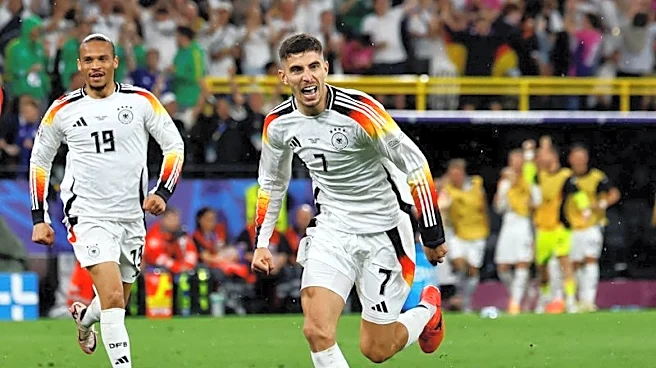
Ultimately, the biggest difference is emotional. A tied score at the end of regulation in the NBA elicits a simple response: “Alright, overtime.” The narrative isn’t over; it’s just extended. The emotional peak is yet to come. A draw in soccer can be the emotional peak itself. The feeling of a draw is entirely dependent on the context within the 90 minutes. If your underdog team scores a last-second equalizer to snatch a 1-1 draw from a global powerhouse, the stadium erupts. Your fans celebrate as if they’ve won the entire tournament. It is pure euphoria. Conversely, if your team concedes a last-second goal to turn a 1-0 win into a 1-1 draw, the feeling is utter devastation. It feels like a crushing defeat. The final whistle confirms the result, and that feeling—be it elation or despair—is the final word. The story is over, and the draw *was* the ending.