







The Star of the Show: The Top Hat
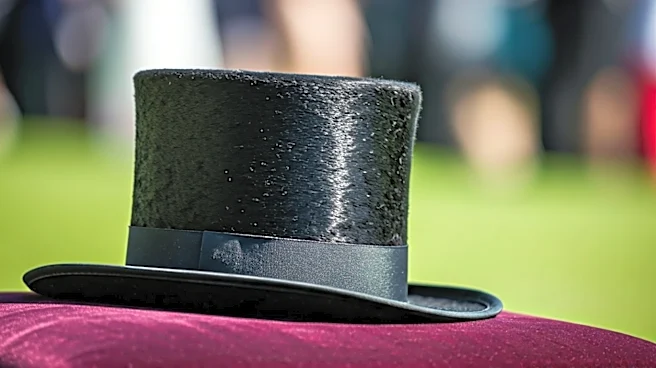
The accessory in question is the humble—or not-so-humble—top hat. For men entering Royal Ascot’s most exclusive area, the Royal Enclosure, it’s not a suggestion; it’s a rule, codified in a famously exacting style guide. The hat must be black or grey,
with no elaborate ribbons, custom colors, or other markers of individuality. It must be worn at all times, except in a restaurant, a private box, or a designated outdoor seating area. For many Americans, the top hat is a costume piece, something you’d associate with Abraham Lincoln, a magician, or a Dickensian Christmas musical. At Ascot, however, it’s a living, breathing, and non-negotiable part of the social uniform.
The Controversy: A Symbol of Exclusion
So, what makes it controversial? In a word: class. The top hat, more than any other garment at the event, is a potent symbol of Britain’s rigid social strata. It’s an instant visual shorthand for old money, elite education, and an entrenched aristocracy that feels increasingly out of step with modern Britain. The controversy isn’t a loud protest but a quiet, simmering debate. Critics see the requirement as a stuffy, exclusionary barrier. A proper silk top hat from a heritage London hatter can cost thousands of dollars, while even a quality rental is a significant expense. The mandate effectively reinforces the idea that Ascot’s inner sanctum is a club for the very wealthy, a place where conformity to an archaic standard is the price of admission. It’s a beautifully crafted, historically significant symbol of “You can’t sit with us.”
The Utility: A Surprisingly Practical Shield
Here is the paradox: for all its symbolic weight, the top hat is an astonishingly useful piece of equipment. Let’s start with the obvious. Royal Ascot takes place in June, when English weather is notoriously fickle. A sudden, torrential downpour can materialize from a clear blue sky, followed moments later by brilliant, scorching sunshine. The top hat is the perfect defense against both. Its wide brim and tall, sturdy structure provide excellent shade for the face and neck, a critical function during a long day spent outdoors. When the heavens open, it serves as a personal, surprisingly effective umbrella, protecting a gentleman’s meticulously styled hair and keeping rain from dripping down his collar. In a purely functional sense, it’s a far more practical choice than the delicate, often whimsical fascinators worn by the women, many of which offer zero protection from the elements.
The Hidden Function: A Gentleman's Carry-All
But the true genius of the top hat lies in its secret, secondary function: it’s a portable storage unit. This is the insider’s secret that transforms the hat from a mere symbol into a clever tool. An Ascot veteran knows that the upturned crown of his hat is the perfect place to stash essential items. It’s an unwritten tradition. Your race card and betting slips? Tuck them inside the hat. A copy of the day’s program? It fits neatly. Some cheeky attendees have been known to use it to hold a small bottle of water or even a sneaky snack. One of the most iconic, if slightly risky, uses is as a temporary holder for a glass of champagne, freeing up one’s hands to greet a friend or consult the race odds. In this light, the top hat is not just a rigid costume piece; it’s a discreet, hands-free carry-all that allows its wearer to navigate the day with effortless grace. It’s the ultimate life hack for the one percent.