
The Audience is the Main Character
The fundamental difference between a press tour and a Comic Con panel is who the event is for. A press junket is an industry obligation, a tightly controlled environment where actors deliver soundbites
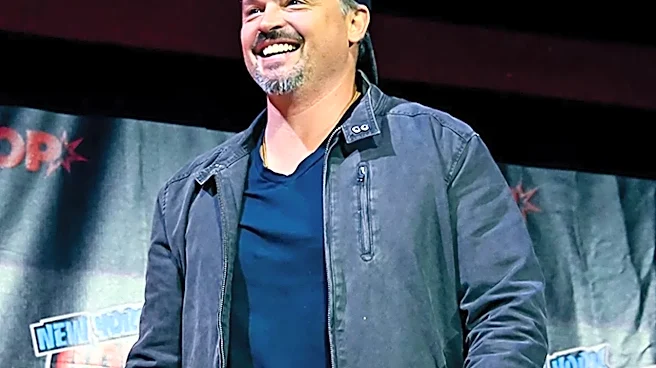
to journalists. The audience is, for the most part, invisible. At New York Comic Con, the audience is the entire point. Thousands of fans, many in costume, who have stood in line for hours, fill venues like the Javits Center, bringing an explosive, heartfelt energy that a room of reporters simply cannot generate. This isn't a job for them; it's a pilgrimage. That wave of genuine adoration changes the dynamic completely. Actors aren't just selling a product; they are connecting with the people who made their work a cultural phenomenon.
Nostalgia Over Promotion
Many of the most anticipated reunions at NYCC, like the planned retrospectives for shows such as "Brooklyn Nine-Nine," aren't about promoting a new season. They are celebrations of a shared past. Unlike press tours timed precisely to a release date, these panels often happen years after a series has ended. This removes the transactional pressure of marketing. The conversations become less about hyping what’s next and more about reflecting on the journey. It allows cast members to revisit their characters with the clarity of time, sharing behind-the-scenes stories and inside jokes that feel less like promotion and more like a family looking through an old photo album. The goal isn't just to generate buzz, but to honor a legacy.
The Power of Unscripted Moments
Press junkets are notoriously repetitive. Actors often find themselves on autopilot, answering the same questions for hours on end. Panels at Comic Con, while guided by a moderator, are far more spontaneous. The format allows for genuine interactions between the stars themselves, who may not have seen each other in some time. More importantly, it includes a Q&A portion where fans get to ask questions. These questions, coming directly from the heart of the fandom, often elicit more candid, emotional, and surprising responses than those from seasoned journalists. It is in these unscripted moments—an unexpected tear, a burst of laughter over a shared memory, a heartfelt tribute to the fan community—that the real magic happens. It’s a raw and unfiltered experience that a polished press interview can never replicate.
A Shared Emotional Experience
Ultimately, a Comic Con reunion is a communal event. It’s a space where the line between creator and consumer blurs into a shared celebration. Fans get to thank the actors for the stories that have shaped their lives, and in return, actors get a tangible, powerful reminder of their work's impact. Attendees have described the experience as being like a family reunion, a place where they feel they belong. This stands in stark contrast to the isolating, industrial nature of a junket. When a cast sees thousands of people cheering for a show they poured their lives into, it often leads to moments of profound, shared vulnerability. That emotional feedback loop—from fan to star and back again—is why these reunions feel less like a marketing stop and more like a homecoming.