




The Perils of Photorealism
The first and most obvious pitfall of a shot-for-shot remake is what can be called "The Lion King Trap." The 2019 remake was a technical marvel, a showcase of photorealistic CGI that brought the African savanna to life. It was also, according to many
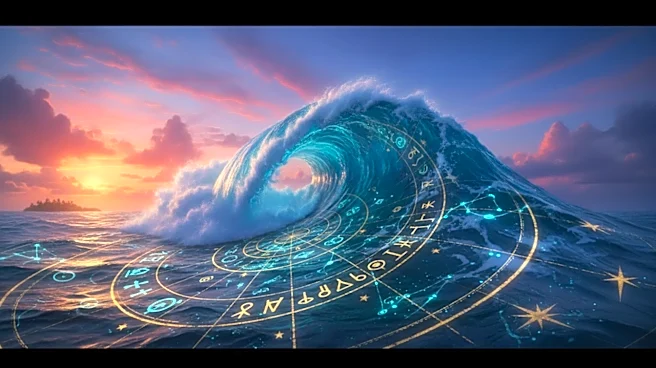
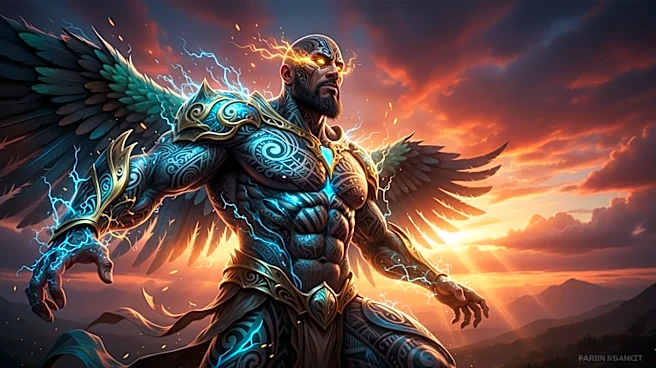
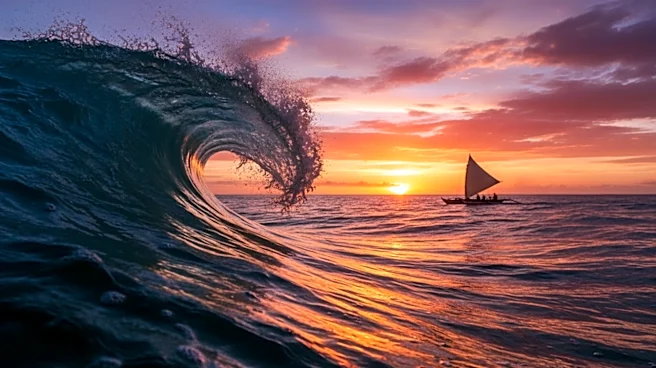
critics and fans, emotionally inert. The problem is that real lions, warthogs, and meerkats don't have the same expressive range as their hand-drawn or stylized animated counterparts. What was heartbreaking and expressive in the 1994 original became a soulless, if beautiful, nature documentary with celebrity voiceovers. A shot-for-shot 'Moana' runs the exact same risk. The original film is bursting with expressive, non-realistic magic. The ocean is a sentient character with a playful personality, Maui's tattoos are a wisecracking 2D Greek chorus, and demigods transform into giant, shimmering creatures. Replicating these moments with "realistic" CGI threatens to strip them of their charm, turning vibrant fantasy into something awkward and uncanny.
Forgetting the Magic of the Medium
Animation is not just a stepping stone to a "real" movie. It's a distinct art form with its own unique strengths. 'Moana' (2016) is a testament to this, a film that uses the limitless potential of animation to tell its story. The world is saturated with impossible colors, the characters move with a larger-than-life energy, and the very laws of physics bend to serve the narrative. Consider the Kakamora, the film's coconut-clad pirates, in their 'Mad Max: Fury Road'-style chase sequence. It's a moment of pure animated absurdity and genius. Or think of the Realm of Monsters, a bioluminescent wonderland that is deliberately otherworldly. Attempting to simply recreate these scenes with live actors and digital effects misses the point. The joy comes from the artists' imagination, not from how realistically they can render a coconut monster. A great adaptation understands that it must translate the spirit, not just the imagery, of the original into a new medium.
A Missed Commercial Opportunity
From a purely business perspective, a carbon copy remake is surprisingly uninspired. The assumption is that audiences want to see the exact same story again, just with real people. But this strategy has diminishing returns, especially for a film that isn't even a decade old and remains one of the most-streamed movies on Disney+. Why pay for a theater ticket to see a less magical version of a film you can watch at home? The real commercial opportunity lies in expansion, not replication. A live-action 'Moana' could have deepened the world, explored side characters, or added new songs and adventures that complement the original. It could give audiences a compelling reason to return to Motunui by offering them something new. Instead, early reactions to the film suggest it's a near beat-for-beat retread, a decision many have called a creatively bankrupt cash grab. This approach treats the original film not as a work of art to be reinterpreted, but as a storyboard to be traced.
The Better Path Not Taken
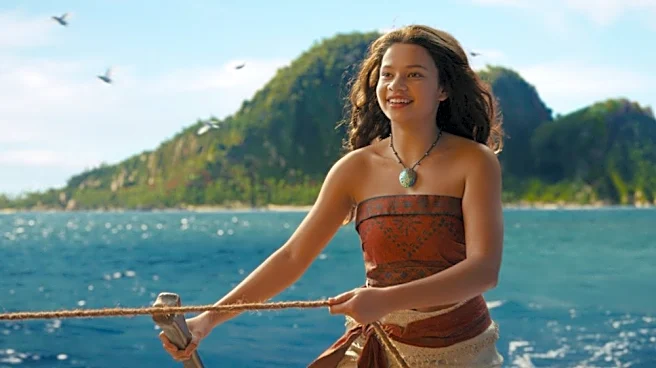
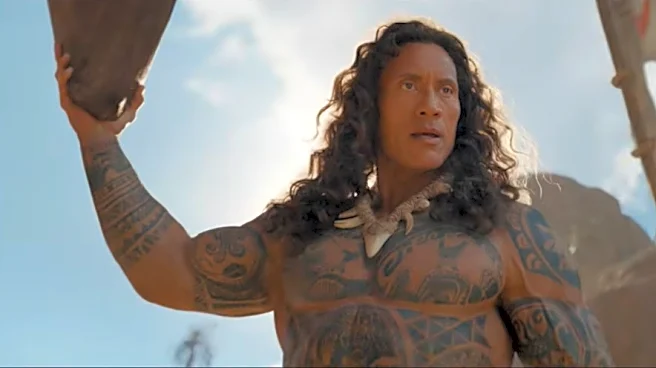
So what would a commercially and creatively interesting 'Moana' remake look like? It would use its live-action format to its advantage. Instead of trying to make a photorealistic version of the animated ocean character, it could find a new, more abstract visual language to represent its sentience. It could lean into the physicality of its lead actors, like Dwayne Johnson, who is reprising his role as Maui, to bring a different kind of energy to the performances. It could use its real-world locations in Hawaii to ground the story in a tangible sense of place, something animation, for all its strengths, cannot do in the same way. The original film's co-writer, Jared Bush, and Samoan writer Dana Ledoux Miller are involved in the screenplay, which offers a glimmer of hope for cultural and narrative depth. The goal shouldn't be to make audiences say, "It was just like the original." It should be to make them feel like they've experienced a beloved story in a powerful new way, one that stands on its own two feet while honoring the source.