






Act I: The Setup
Every great film begins by establishing the world, the characters, and the central conflict. The first act of your panel should do the same. This isn't just about reading bios; it's about setting the stage for the drama to come. Your job as the moderator
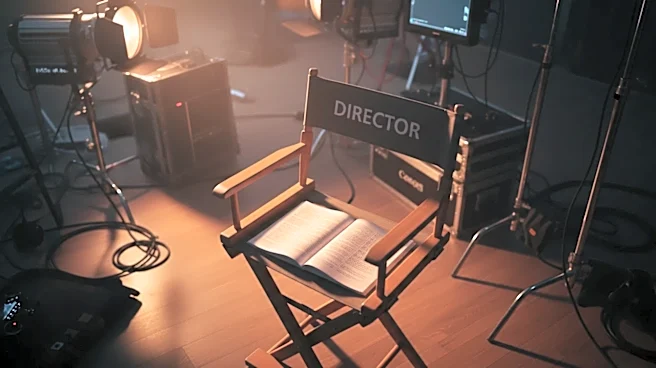
is to be the director, introducing the 'cast'—your panelists—and establishing their unique perspectives. Don't just list their accomplishments. Briefly explain why their voice is essential to the conversation. Then, introduce the 'inciting incident': the core topic or central question of the panel. Frame it as a puzzle to be solved or a mystery to be unraveled. This opening act should clearly define the stakes for the audience, making them lean in and wonder what's going to happen next. A great first question should be broad enough to warm everyone up but specific enough to set the narrative in motion.
Act II: The Confrontation
In screenwriting, the second act is where the story gets good. It’s about rising action, escalating stakes, and facing obstacles. For your panel, this is the heart of the discussion. Your goal is to move beyond simple Q&A and foster genuine interaction and even productive conflict. This is where you introduce complications. Pose questions that highlight differing opinions among your panelists. A great technique is to listen for a point of disagreement and gently pivot to another panelist, asking them to respond or rebut. A good moderator makes connections on the fly, pointing out interesting themes. This creates a dynamic conversation rather than a series of disconnected monologues. Structure this act to build toward a climax—the big reveal. The questions should get more specific and more challenging, pushing the panelists toward the core of the issue and building anticipation for the key information you plan to unveil.
The Midpoint Twist: Executing the Reveal
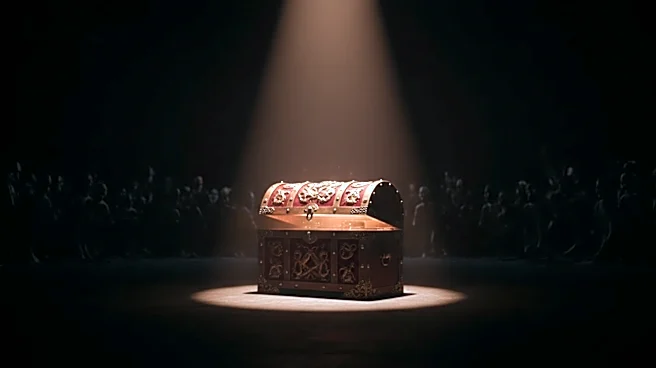
The reveal is your panel's centerpiece, the moment the audience has been waiting for. It could be a new product, a surprise guest, or a crucial piece of data. Don't just drop it casually. Build up to it. Use your final question before the reveal to perfectly tee it up. For example: "We've discussed the challenges, but what if there was a new tool designed to solve this exact problem?" Then, turn it over to the designated panelist to make the announcement. This moment should feel like a turning point in the narrative you've built. After the reveal, the moderator's job is to immediately contextualize it. Ask a follow-up question: "What does this mean for the industry?" or "How will this change the way you work?" This ensures the reveal isn't just a moment, but a catalyst for the final phase of the discussion.
Act III: The Resolution
After the climax of a film, the third act provides resolution. It ties up loose ends and explores the consequences of the story's central conflict. For your panel, this final act is about processing the reveal and providing a satisfying conclusion for the audience. This is the ideal time to turn to audience questions. By now, the audience is armed with the context of the first two acts and the impact of the reveal, leading to more insightful and relevant questions. As the moderator, you should filter these questions to keep the discussion focused and on track. In the final minutes, bring the story to a close. A great way to do this is with a 'lightning round' where each panelist gives a brief final takeaway or piece of advice related to the discussion. This provides a clean, memorable ending that leaves the audience feeling that they've been on a complete journey.