




The Unseen Cause of Winter Skin
Transepidermal Water Loss, or TEWL, sounds complicated, but it’s simply the process of water evaporating from the surface of your skin into the air. This happens constantly, but a healthy skin barrier—the outermost layer of lipids and cells—keeps the process in check.
In winter, however, this system goes haywire. Cold outdoor air holds very little moisture, and dry indoor heating is even worse, creating an environment that actively pulls water from your skin. This accelerates TEWL, weakening your skin's defenses and leading to dehydration, irritation, and redness. Even people with oily skin can experience this, as it’s about water content, not oil.
Adopt a Copenhagen Mindset
The Scandinavian approach to beauty mirrors its design philosophy: minimalist, functional, and focused on quality over quantity. Instead of a complex, multi-step routine that might further irritate a stressed barrier, the focus is on protection and fortification. Think of it as giving your skin a warm, protective coat rather than just throwing more products at it. This philosophy is perfectly suited to combatting winter TEWL. The goal isn't to add more; it's to be smarter and more intentional with a few key steps that support your skin’s natural ability to protect itself. This means prioritizing a strong, healthy barrier above all else.
Fortify the Barrier with Ceramides and Niacinamide
Your skin barrier is like a brick wall: skin cells are the bricks, and lipids like ceramides are the mortar holding everything together. Winter conditions can deplete these lipids, creating cracks in the mortar that let water escape. To fight this, focus on ingredients that rebuild. Ceramides are a non-negotiable, as they directly replenish the 'mortar' of your skin's barrier. Niacinamide (Vitamin B3) is another hero ingredient, as it encourages your skin to produce its own ceramides, strengthening the barrier from within. Using products with both ceramides and niacinamide gives your skin the immediate and long-term support it needs to reduce TEWL.
Lock In Moisture Correctly
Hydrating your skin is a two-part process, especially when fighting TEWL. First, you need humectants—ingredients like hyaluronic acid and glycerin that act like magnets, pulling water into the skin. But that's only half the battle. If you don't seal that moisture in, it will evaporate right off your face, especially in dry winter air. That’s where occlusives come in. These ingredients, which include shea butter and even classic petrolatum, form a physical barrier on the skin's surface to prevent water from escaping. A good winter routine layers a humectant serum underneath an occlusive moisturizer to both hydrate and seal.
Your New Copenhagen-Inspired Ritual
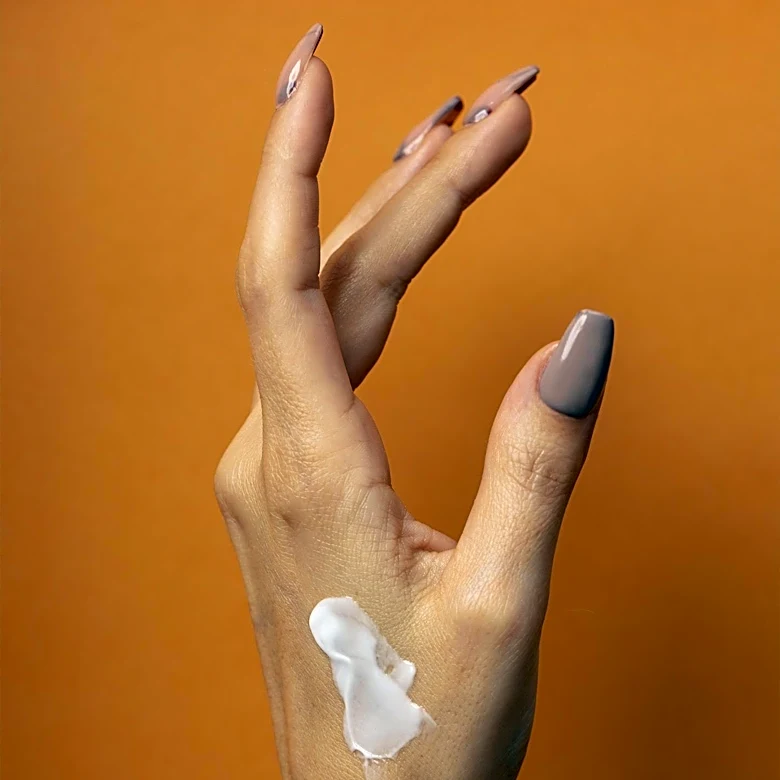
Putting it all together, a TEWL-busting, Copenhagen-inspired routine is gentle and protective. First, swap any foaming or stripping cleansers for a milky, cream, or oil-based formula that cleanses without disrupting the lipid barrier. In the morning, you might even skip cleansing altogether and just rinse with water. After patting dry, apply a serum containing niacinamide and hyaluronic acid. Follow this with a rich moisturizer packed with ceramides to fortify the barrier and shea butter to create a protective seal. At night, consider an even richer cream or a thin layer of an occlusive balm—a technique known as 'slugging'—to lock in moisture while your skin is in its peak repair mode. This simple, targeted approach keeps your skin calm, hydrated, and resilient, no matter how cold it gets.