





The Six-Figure Price of a Cockpit Seat
The journey to the flight deck begins with a series of certificates, each with a hefty price. The first step, a Private Pilot License (PPL), can cost between $15,000 and $22,000. After that comes the Instrument Rating (IR) for flying in poor weather,
adding another $12,000 to $18,000. Then comes the Commercial Pilot License (CPL), which can tack on another $20,000 to $35,000. All-in, a full career-track program that takes a student from zero experience to a commercially licensed pilot often costs between $80,000 and $110,000. These costs cover aircraft rental, instructor fees, fuel, exam fees, and materials, with many flight schools now offering financing options to help students manage the burden.
The Long, Unpaid Haul to 1,500 Hours
Earning a Commercial Pilot License at around 250 hours is a major milestone, but it's not the finish line. To be hired as a co-pilot at a U.S. airline, a pilot needs an Airline Transport Pilot (ATP) certificate. Following a 2010 safety law, this requires a minimum of 1,500 flight hours. This creates what pilots call the “hour-building gap.” Very few can afford to simply rent a plane to fly the remaining 1,250 hours. The most common path is to become a Certified Flight Instructor (CFI). This allows pilots to build hours while earning a modest living, but it can be a long, low-paying grind that adds another year or two to their journey, all while their six-figure training loans accrue interest.
Debt, Disillusionment, and the Pilot Shortage
The immense financial barrier to entry is a significant contributor to the ongoing pilot shortage. Aspiring pilots often start their careers with debt comparable to that of medical school graduates but face years of low wages while building hours. It's not uncommon for a newly hired regional airline co-pilot to be making less than $50,000 a year while carrying $100,000 or more in student loan debt. This daunting financial equation discourages many talented candidates, particularly those without access to significant family wealth. The industry's gain in pilot salaries is a recent development, but the upfront cost remains a massive hurdle that filters out a huge portion of potential aviators.
Are There Cheaper Runways?
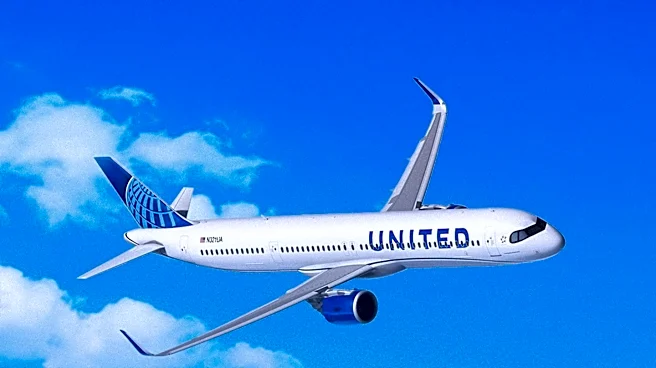
The aviation industry is aware of the problem and exploring solutions. Airline-sponsored cadet academies, like those from United and American Airlines, offer a more direct path and sometimes provide access to dedicated financing partners. However, these programs are highly competitive and still require a total investment often between $80,000 and $100,000. Another route is through the military, which provides world-class flight training at no cost to the individual, but this requires a lengthy service commitment. Finally, attending a four-year university with an FAA-approved aviation program can reduce the hour requirement for an ATP certificate from 1,500 to 1,000, potentially saving time and money in the hour-building phase, though it adds the cost of a college degree.