




“The Losing Edge” (Season 9, Episode 5)
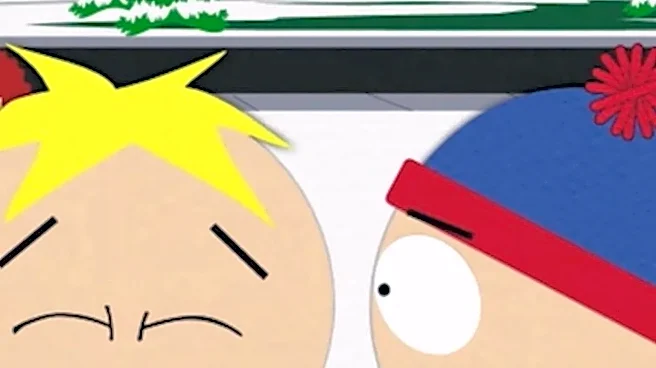
On its face, this is an episode about the boys trying to lose their little league baseball games so they can enjoy their summer vacation. But the real story is a flawless parody of obsessive sports parents. The plot escalates as every other team tries
to lose even harder, while Stan’s dad, Randy, trains like a prize fighter to get into drunken brawls with other dads. It’s a hilarious send-up of adult egos hijacking children's activities, turning Randy’s absurd quest for fighting glory into a pitch-perfect satire that is both ridiculous and painfully recognizable. It gets overshadowed by other Randy-centric episodes, but its tight, dual-plotted structure makes it a masterclass in South Park storytelling.
“Goobacks” (Season 8, Episode 7)
Years before it became a political flashpoint, South Park delivered one of the most memorable and bizarre satires of the immigration debate. In this episode, impoverished people from the year 3045 begin traveling back in time to find low-wage work. The town’s blue-collar workers, whose catchphrase “They took our jobs!” became an instant classic, are furious. The episode brilliantly lampoons both sides of the issue, from the xenophobic rage of the unemployed to the performative compassion of the wealthy who enjoy the cheap labor. The surreal climax, involving a town-wide, all-male pile-on to prevent future generations from being born, is an unforgettable and absurdly funny resolution to a sharp, prescient piece of social commentary.
“Super Fun Time” (Season 12, Episode 7)
A perfect example of a high-concept episode executed flawlessly. The fourth graders take a field trip to Pioneer Village, a living history museum where the actors refuse to break character under any circumstances. While Cartman drags Butters to a nearby arcade, the museum is taken over by robbers, creating a hostage situation. The comedy comes from the staff's unwavering commitment to their 1864 personas, even as the criminals threaten their lives. Meanwhile, Butters refuses to let go of Cartman's hand as instructed, leading to a hilarious B-plot at the arcade. It’s an episode that builds its jokes on a single, brilliant premise and sticks the landing, showcasing the show’s ability to blend suspense and absurdity.
“Kenny Dies” (Season 5, Episode 13)
For five seasons, Kenny's death was the show's most reliable running gag. This episode changed everything by treating his impending demise with shocking sincerity. Kenny is diagnosed with a terminal illness, and for the first time, his friends have to confront real grief and mortality. While Cartman’s subplot—a selfish quest to lift the ban on stem cell research to build his own pizza chain—provides the trademark dark humor, the episode's heart is Stan's struggle to cope with losing his friend. It’s a pivotal moment that permanently altered the show’s formula, proving that South Park could be surprisingly emotional and paving the way for more complex character arcs. It showed the series was more than just its gags.
“The City Part of Town” (Season 19, Episode 3)
Lost in the shuffle of South Park’s serialized seasons, this episode is a razor-sharp, hilarious critique of urban gentrification. To attract a Whole Foods, the town builds a trendy, modern shopping district called "SoDoSoPa" (South of Downtown South Park) directly around Kenny's dilapidated house, marketing his family's poverty as "rustic charm." The episode is filled with pitch-perfect parodies of the self-important, faux-authentic commercials that accompany such developments. As Kenny gets a job in a last-ditch effort to help his family, the rest of the town embraces the vapid consumerism of the new district. It’s a clever, visually inventive episode that has only become more relevant with time.
“You’re Getting Old” (Season 15, Episode 7)
Often remembered for the media panic it caused about the show ending, “You’re Getting Old” is one of the bravest and most profound episodes in the series' history. On his 10th birthday, Stan finds that everything he once loved—music, movies, food—literally looks and sounds like crap. His diagnosis of being a “cynical asshole” parallels his parents' marital breakdown, as Randy desperately tries to stay young by embracing new fads. The episode ends not with a joke, but with Sharon and Randy separating and the melancholy sound of Fleetwood Mac's "Landslide." It’s a stunningly bleak and honest look at depression, aging, and the pain of growing apart, proving South Park's capacity for genuine pathos.