





The Myth of Instant Softness
Our attraction to soft leather is intuitive. It feels pleasant against the skin, suggests comfort, and gives an impression of being well-made. For certain items like gloves or the lining of a jacket, softness is a primary feature. This sensory appeal
has become a powerful marketing tool, leading many consumers to believe that the softer the leather, the higher the price—and the better the quality. Manufacturers know this and sometimes process leather specifically to achieve that desirable feel right off the shelf. However, this immediate softness can sometimes be a red flag, masking a product that won't stand the test of time.
How Leather Gets Its Feel
The final texture of a piece of leather is determined by two main factors: the original hide and the processing it undergoes. Naturally, hides from younger animals like lambs or calves are softer due to higher levels of collagen. But softness is often an engineered quality. To create a uniform, soft surface, tanneries may sand, buff, or split the hide to remove imperfections. This process, which creates what is known as "corrected-grain" leather, can weaken the hide's strongest and most durable fibers. While the result is pliable, it's also less resilient. Chrome tanning, a faster and more common method than traditional vegetable tanning, also tends to produce a softer but less robust material from the start.
Full-Grain: The True Mark of Quality
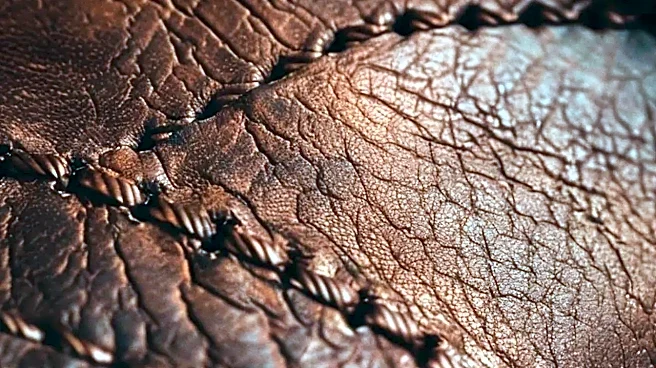
If instant softness isn't the best indicator, what is? The gold standard in the leather world is "full-grain" leather. This refers to the uppermost layer of the hide, which is left in its natural state without any sanding or correction. It contains the tightest and most durable fiber structure of the entire hide. Because it's not buffed away, full-grain leather retains the hide's natural markings, like pores and subtle scars, which are signs of authenticity, not flaws. This type of leather is prized for its exceptional strength and longevity. Instead of wearing out, it develops a rich patina over time, becoming more beautiful and characterful with age and use.
Top-Grain: The Durable Runner-Up
Just below full-grain is "top-grain" leather, the second-highest quality available. It comes from the same top layer of the hide but has had its surface lightly sanded to remove imperfections. This makes it more uniform in appearance and slightly less breathable than full-grain. A finish coat is applied, which provides good stain resistance but prevents the development of a natural patina. Top-grain leather is still very strong and durable, making it a popular choice for high-end goods where a pristine, consistent look is desired. It offers a great balance of quality and workability for manufacturers.
The Break-In Period: Earning Softness Over Time
The most durable leather goods, like a sturdy pair of boots or a well-made belt, often start out quite stiff. This isn't a defect; it's a feature. The firmness of new full-grain leather is a direct result of its dense fiber structure, which is precisely what makes it so long-lasting. True quality leather earns its softness. Through use, handling, and occasional conditioning, the fibers gradually relax, and the leather molds to its owner. This break-in period is the journey where the product gains its unique character. A bag that softens with use is behaving exactly as high-quality leather should, while heavily coated, stiff leather is more likely to crack or peel over time.
How to Be a Smarter Leather Shopper
When evaluating a leather product, look beyond the initial feel. Check the label for terms like "full-grain" or "top-grain." Examine the surface for the small, natural imperfections that signal an uncorrected hide. Quality leather often has a rich, earthy smell, unlike the chemical odor of heavily processed or bonded leathers. Consider the item’s purpose: a supple lambskin jacket is perfect for comfort, but a briefcase that needs to protect its contents and last for decades should be made from a tougher, more structured hide. Don't be afraid of a little initial stiffness; it’s often the sign of a product built to last a lifetime.