


More Than a Mascot
First, let’s define our terms. The “icons” of Halloween Horror Nights are original characters created by Universal to serve as the master of ceremonies for the entire event. Starting in 2000 with the breakout success of Jack the Clown, these figures are more
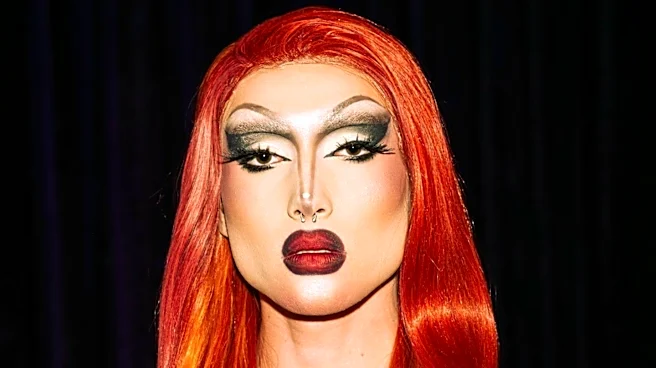
than just marketing tools. They are the narrative glue. An icon like The Director, The Storyteller, or Lady Luck doesn’t just appear on T-shirts; their elaborate backstory informs the theme of the haunted houses, the design of the scare zones, and the general atmosphere of dread that permeates the park. They are the living, breathing personification of that year's unique flavor of fear, transforming a collection of spooky attractions into a cohesive, story-driven world.
Building a Modern Mythology
While seeing Michael Myers or Chucky is a definite draw, licensed properties come with creative limitations. Universal can’t alter their established stories. With the icons, however, they have complete freedom. This has allowed them to build a sprawling, interconnected mythology that is wholly unique to Halloween Horror Nights. Characters have complex origins, relationships, and even a shared supernatural cosmology. For instance, many early icons like Jack the Clown and The Caretaker were later revealed to be heralds of an ancient god-like entity named Fear. This deep lore rewards die-hard fans who follow the story year after year, creating a passionate community that dissects every clue and eagerly awaits the next chapter. For them, the return of a beloved icon is like a rockstar announcing a reunion tour.
The Power of Presence
But here’s the crucial part: you don’t need a deep knowledge of the lore to feel its impact. When a first-time guest sees a character like The Usher, a silent, menacing figure who enforces twisted rules, they immediately understand his role. The character's detailed costume, the reverence from scareactors, and the hushed whispers from returning fans all send a clear signal: this figure is important. The icons lend an air of gravitas and history to the proceedings. Their very presence suggests a world that existed long before the guest arrived and will continue long after they leave. It creates an immersive texture that a simple haunted house can’t replicate. You may not know the full, tragic backstory of Dr. Albert Caine (The Caretaker), but when you see him stalking through his decrepit mortuary, you know you’re in his story.
A Bridge Between Generations of Fear
The icons also serve as a powerful link to the event's own history. Anniversary years often feature the return of multiple icons, uniting them in special houses or scare zones that celebrate the event's legacy. For long-time attendees, seeing Jack the Clown’s right-hand woman, Chance, take the spotlight for herself in 2016 was a major moment, the culmination of a character arc that began years earlier. These returning characters create a shared language among fans. They act as a touchstone, allowing a veteran who first attended in the early 2000s to share their excitement with a newcomer. They prove that Halloween Horror Nights isn't just an annual event; it's a tradition with a history, a pantheon of dark gods, and a soul. The licensed monsters may get you in the door, but it’s the icons that make you feel like you’ve come home.