




The Perfect Casting... Almost
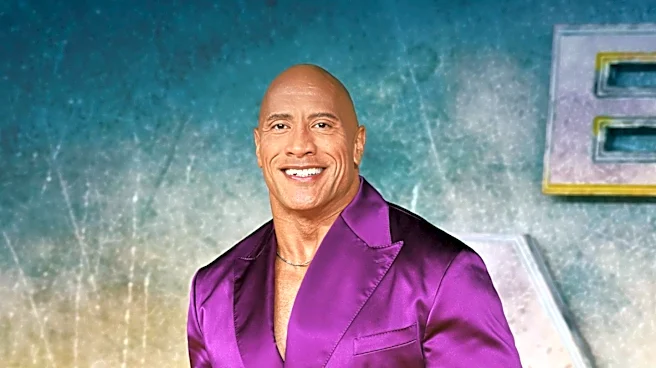
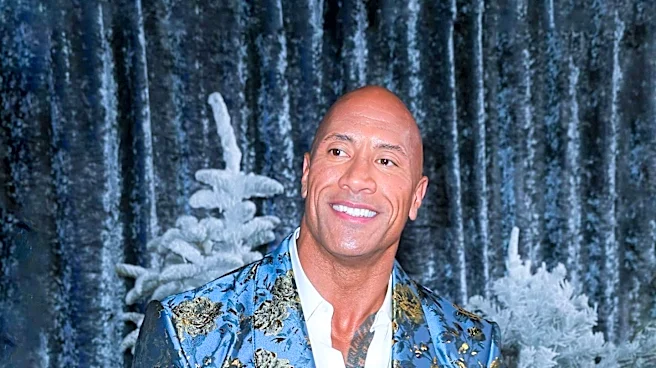
On paper, and now on screen, Dwayne Johnson’s casting as the boisterous demigod Maui is a masterstroke. Johnson, who voiced the character in the 2016 animated hit, is not only a global superstar but also deeply proud of his Samoan roots. He often speaks
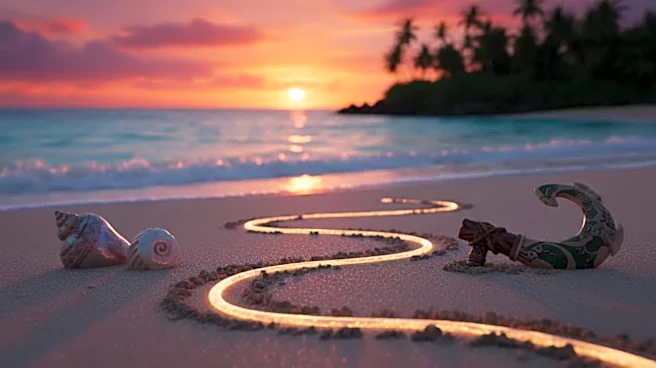
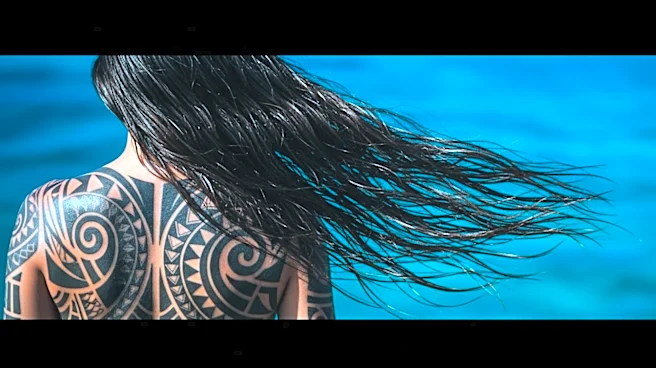
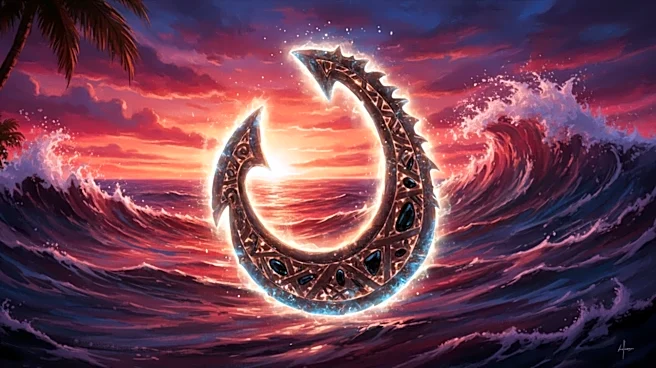
of the role as a tribute to his grandfather, the Samoan pro wrestler “High Chief” Peter Maivia, whose powerful build and body of tattoos served as a direct inspiration for the character’s design. Johnson doesn’t just play Maui; he feels a profound connection to him, stating, "I don't even consider him a character. I consider him just part of the culture and lore of Polynesian culture." For the live-action film, he spent hours in makeup to recreate the iconic look and even noted the surprising physical challenge of wielding Maui's “so f---ing heavy” magical fishhook. It's a role he’s embodying with his full chest, driven by a desire to honor his heritage on a global stage.
More Than a Myth, a Cultural Pillar
But Maui isn't just a Disney character; he’s a foundational figure in Polynesian culture. He's a trickster hero, a folk legend whose tales of fishing up islands, snaring the sun, and stealing fire for humanity are told from Hawai'i to New Zealand. While Disney’s version is a charismatic, ego-driven hero, the traditional Maui is a far more complex figure whose stories vary across different islands and cultures. The creators of both the animated and live-action films have worked with an “Oceanic Story Trust”—a group of cultural advisors, linguists, and historians—to ensure the portrayal is respectful. This effort highlights a critical point: Maui is not just a collection of myths. He represents a deep cultural worldview, a connection to ancestry, and a way of understanding the natural world. He is lore, history, and identity rolled into one powerful entity.
The Detail That Can’t Be Rehearsed
This brings us to the one detail Johnson—or any actor, for that matter—cannot simply copy: the lived, inherited spiritual authority known in Polynesian cultures as mana. While Johnson has talked about his grandfather living in the spirit of Mana, embodying it for a role is a different challenge. Mana is not just confidence or stage presence. It's a complex concept representing power, prestige, and a sacred force that resides in people, places, and objects. It is earned, inherited, and flows from a deep connection to lineage, land, and the spiritual world. An actor can train, research, and perform with the utmost respect, as Johnson clearly is. He can learn the songs, master the choreography, and deliver a powerful performance. He can even bring his own authentic Samoan heritage to the role. But the specific, composite mana of a pan-Polynesian demigod like Maui—a figure who embodies the collective spiritual legacy of many peoples—is not something that can be put on like a costume. It's the intangible difference between portraying a cultural icon and being the living embodiment of that icon's cultural weight.
Hollywood's Authenticity Frontier
This isn't a critique of Johnson, who is by all accounts the ideal ambassador for this story. In fact, his journey highlights Hollywood's ongoing evolution in telling cultural stories. The very existence of cultural trusts and the deep investment in getting it right is a massive step forward. Johnson himself has championed the film as a chance to showcase Polynesian culture in a new, powerful way. The challenge is acknowledging the line between authentic representation and the inherent limitations of performance. An actor's job is to create a believable illusion. They study, they transform, they connect. But when playing a figure of near-religious significance to a culture, the most authentic performance is one that also carries a sense of humility—an understanding that some layers of meaning can only be gestured at, not fully possessed.