






The Coach's Tactical Puzzle
When a player is sent off, the coach's job becomes intensely focused but fundamentally remote. They are presented with a tactical problem to solve. From the relative calm of the technical area, they must decide how to rebalance the team. Does a forward
come off for a defender? Does the formation shift from a 4-4-2 to a more compact 4-4-1? These are crucial decisions, often involving a substitution and shouted instructions to the remaining players. The coach's challenge is strategic, a high-stakes game of chess played with human pieces. However, once the instructions are given, their direct influence wanes. They are conductors trying to lead an orchestra from outside the concert hall, relying on their players to execute the new plan under immense pressure. If the coach is the one red-carded, they are removed entirely, barred from communication and relegated to the locker room, leaving the team to fend for itself.
The Captain's On-Field Crisis
For the captain, the red card isn't a puzzle; it's a full-blown, multi-front crisis unfolding in real-time. Their responsibilities explode instantaneously. First, there's the referee. While rules prohibit arguing a decision, the captain is the designated liaison, expected to manage the situation, calm furious teammates, and ensure dissent doesn't lead to more cards. Second, there's the emotional contagion. A teammate has just been ejected, the crowd is roaring, and panic can set in. The captain must be the on-field psychologist, providing encouragement and restoring focus. They are looked to for a visible sign that the team is not broken. Finally, and most critically, they must implement the coach's new tactics on the fly, organizing the remaining ten players, plugging gaps, and directing positioning, all while the game continues at full speed around them.
The Burden of Embodied Leadership
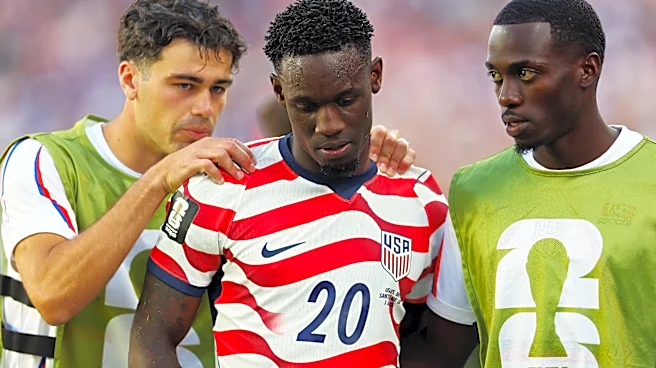
A coach can point and yell, but a captain must do. While a manager's tactical shift to a defensive shell is logical, it's the captain who has to embody that new reality. Their work rate has to increase. Their communication must be constant and clear. Their body language sets the tone for the entire team. If the captain's head drops, the team's spirit often follows. They become the focal point for resilience, leading by example in a way a coach simply cannot from the sideline. They must demand discipline from players who are now being asked to cover more ground, to tackle with more precision, and to resist the frustration that can easily boil over when playing shorthanded. A coach manages the game; a captain leads the fight.
The Difference Between Strategy and Survival
Ultimately, the coach's test is one of strategy, while the captain's is one of survival. The coach must devise a new game plan, but the captain is responsible for its life-or-death execution in the trenches. They are the link between the manager's brain and the team's heart and legs. They have to translate abstract tactical ideas—like staying compact or playing on the counter-attack—into concrete actions, second by second. The pressure is more personal and far more immediate. While a coach might be judged on the outcome after 90 minutes, the captain is judged by their teammates in every run, every tackle, and every word of encouragement from the moment the red card is brandished until the final whistle.