





The Infection: Ambition Turns Toxic
Like any good pathogen, the disease of the Iron Throne begins before the victim even shows symptoms. It starts with a single, infectious thought: “I deserve to rule.” This ambition is the point of entry. Look at Stannis Baratheon. He was a man of rigid,
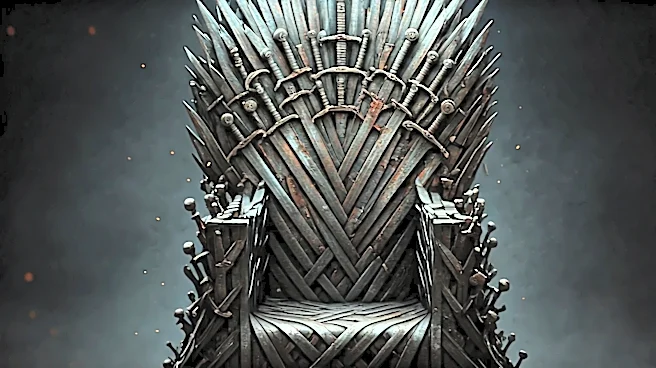
unbending principle until the throne became a possibility. His obsession with his “right” led him to burn his own daughter alive, a moral compromise so profound it’s clear the man he was had already died, leaving only the disease behind. The same sickness festered in Viserys Targaryen, whose desperate quest for his birthright transformed him from a bitter exile into a cautionary tale, willing to sell his own sister for an army. The throne doesn’t just attract the ambitious; it metastasizes their ambition into a cancer that consumes their soul long before they ever touch the cold, hard steel of the chair itself.
The Symptom: A Wasting Sickness
For those who actually “win” the prize, the symptoms become terrifyingly literal. The throne devours its occupants. King Viserys I in *House of the Dragon* is the most on-the-nose example: as his kingdom fractured under the weight of his succession crisis, his own body mirrored the decay, rotting away piece by piece until he was a walking corpse propped up by duty and milk of the poppy. It’s a perfect visual metaphor for the job. Even the seemingly successful Robert Baratheon was a casualty. He won the throne and what did it get him? A loveless marriage, a kingdom drowning in debt he created, and a deep, wine-soaked depression. He became a shadow of the warrior he once was, bored, overweight, and miserable. The throne was not a reward for his rebellion; it was his punishment. It drains the life, joy, and vitality from anyone who sits upon it, leaving a hollow shell.
The Contagion: It Spreads to Everyone
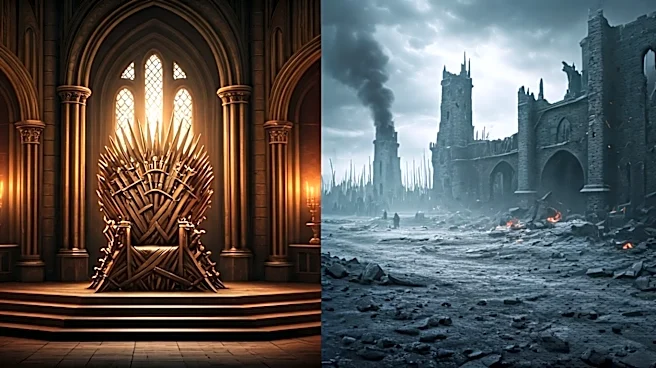
Perhaps the most terrifying aspect of this disease is its communicability. The quest for the throne doesn’t just destroy the claimant; it becomes an epidemic that ravages the entire country. The War of the Five Kings wasn’t just a conflict between nobles; it was a plague that brought famine, slaughter, and chaos to the common folk of Westeros. Entire houses were wiped from existence, the Riverlands were turned into a charnel house, and the North was left broken and scattered. The Dance of the Dragons, a civil war sparked by a succession dispute, did the same a century earlier, burning the Targaryens’ power base—their dragons—to the ground. The sickness of one family becomes the suffering of millions. Friends betray friends, brothers kill brothers, and the very fabric of society is shredded, all because a handful of people caught the fever for a chair made of swords.
The Terminal Stage: A Victory of Ashes
In the end, what does “winning” the Iron Throne look like? For Cersei Lannister, it meant sitting alone in the Red Keep, having lost all her children, surrounded by enemies, her brief reign secured only by an act of mass murder that vaporized her rivals. Her coronation was a funeral. For Daenerys Targaryen, the would-be savior, the final push for the throne broke her mind. Convinced of her righteous destiny, she committed an atrocity that made her indistinguishable from the tyrants she’d sworn to destroy. She won the city and, in the same breath, lost her entire cause, her last allies, and her life. This is the terminal stage of the disease: the moment of triumph is the moment of total ruin. You get the prize only when it is no longer worth having, when you have burned everything and everyone—including yourself—to get there.