


An Icon in Waiting
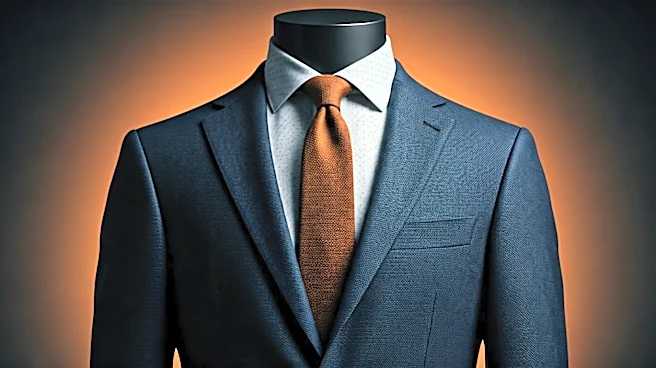
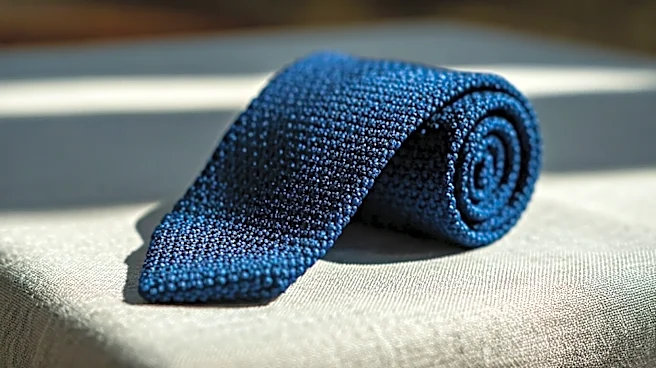
Before it became the darling of Italian street style, the knit tie had a respectable, if slightly dusty, history. It wasn't a formal power tie for the boardroom; it was something different. With its signature crunchy texture and squared-off bottom, it was the neckwear
of choice for creatives, academics, and iconoclasts. Think of the Rat Pack in their sharp, casual tailoring, or Sean Connery's James Bond, who famously wore a navy knit tie with a gray suit in *Goldfinger*. It signaled a certain confidence and a subtle rejection of corporate uniformity. For decades, it remained a classic, but a niche one—a piece you might inherit from your grandfather or find in a vintage shop, not something you’d see dominating modern menswear.
The Pitti Uomo Phenomenon
Enter Pitti Uomo. Held twice a year in Florence, Italy, Pitti is officially a menswear trade show where brands showcase upcoming collections to buyers and press. But in the late 2000s and early 2010s, something else began happening outside the exhibition halls. The rise of street style photography, pioneered by blogs like The Sartorialist, turned the plaza outside the Fortezza da Basso into the world's most important runway. The men attending the show—buyers, editors, and influencers dubbed the "Pitti Peacocks"—became the main event. Their meticulously curated, often flamboyant outfits were photographed, blogged, and shared globally, setting trends with unprecedented speed. Suddenly, what a handful of stylish men wore in Florence for four days could dictate what a million men would buy next season.
Texture, Sprezzatura, and Perfect Pairing
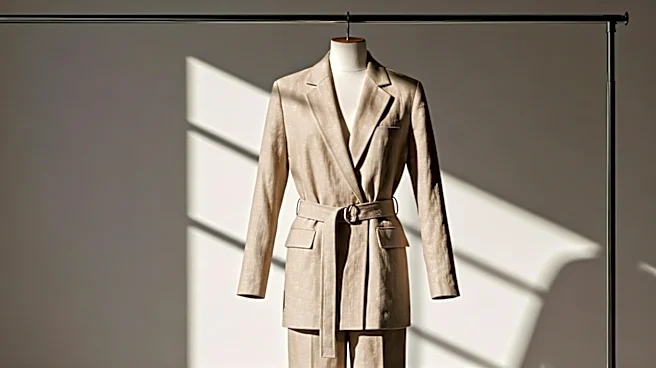
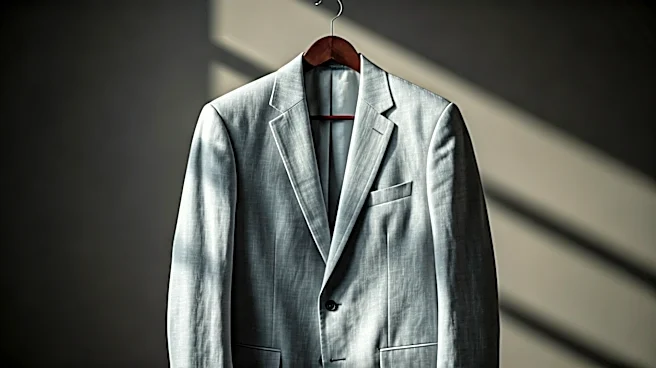
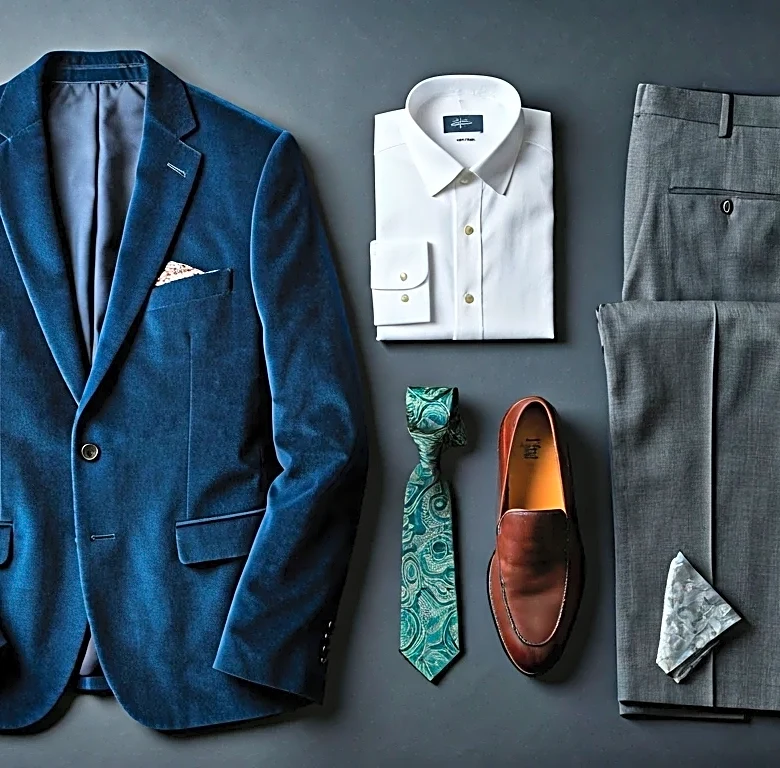
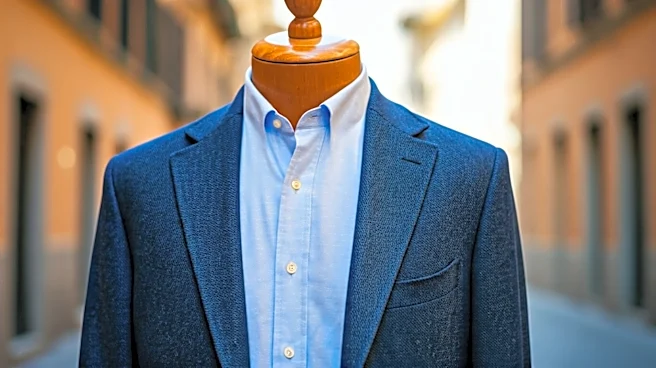
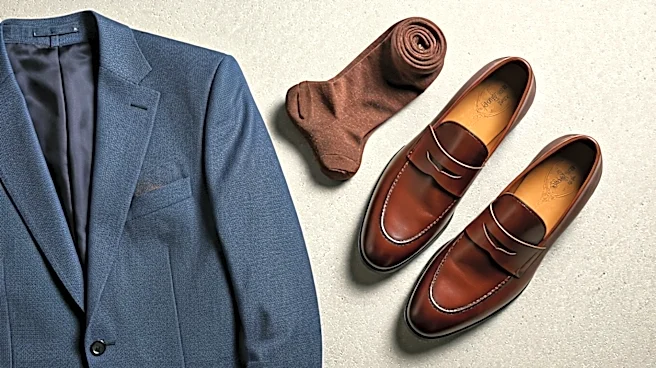
So why the knit tie? It was the perfect accessory for the aesthetic Pitti Uomo was popularizing. The dominant look was one of *sprezzatura*, an Italian term for studied nonchalance. It’s about looking impeccably put-together, but as if you threw it all on without a second thought. This meant pairing sharp, unstructured linen suits with unbuttoned shirts, perfectly rumpled pocket squares, and—crucially—accessories that added personality without formality. The knit tie was the ideal candidate. Its rough, porous weave provided a brilliant textural contrast to the smooth cottons and linens of summer suiting. Unlike a shiny silk tie, which can feel stiff and corporate in the heat, a knit tie felt relaxed and airy. It was formal enough to count as a tie but casual enough to feel effortless. It became a key signifier that you were in on the new rules of menswear.
From Florence to Main Street
The influence of Pitti's street style stars was immense. As photos of men pairing knit ties with everything from seersucker jackets to denim shirts spread across the internet, mainstream brands took notice. What was once a niche item championed by Italian dandies began appearing in the collections of global retailers like J.Crew and Club Monaco. They marketed it as a versatile tool for the modern man's wardrobe—perfect for a summer wedding, a creative office, or a smart date night. The knit tie became a gateway for men looking to move beyond the basic corporate uniform and inject some personality and texture into their look. It offered a simple, affordable way to participate in the *sprezzatura* trend without having to invest in a full Neapolitan-shouldered suit. The peacock's secret weapon had gone public.