





The Mission: Transformation vs. Enhancement
The most significant difference lies in the fundamental goal. Character makeup is about storytelling. Its entire purpose is to transform an actor to visually represent a character's personality, circumstances, or even species. This can involve making
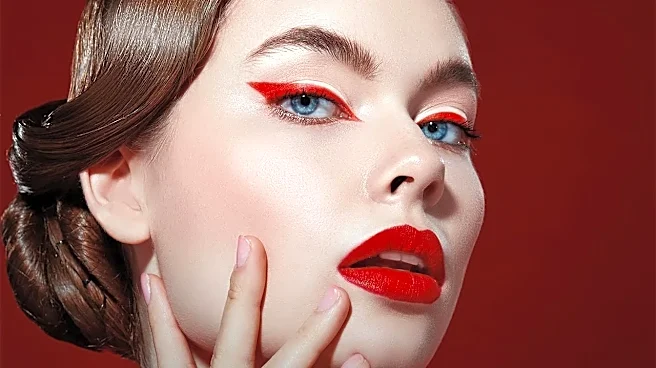
someone look older, younger, sickly, or creating a non-human creature from scratch. The actor's real face is merely a canvas for building someone new. Success means the audience forgets the actor and sees only the character. In contrast, red-carpet makeup is about enhancement and branding. The goal is to make a celebrity look like the most flawless, radiant version of themselves. It’s not about hiding who they are, but perfecting their public-facing image. The artist's job is to highlight their best features, ensure their skin looks impeccable, and create a look that feels both aspirational and authentic to the star's personal style. The celebrity remains the focus, just elevated to an almost surreal level of glamour.
The Process: Collaboration vs. Curation
The collaborative circle for a character makeup artist is centered on the script and the director's vision. They are part of a massive production team, working with the director, writers, and costume designers to ensure the makeup serves the story. An artist might spend weeks or months in pre-production, sculpting prosthetics, testing materials, and designing a look that aligns with the film's narrative. On set, their most critical job is maintaining continuity—ensuring a character's bloody nose or tired eyes look identical in scenes shot days or even weeks apart. Red-carpet makeup is a much more intimate and focused collaboration, usually between the artist, the celebrity, a hairstylist, and a fashion stylist. This 'glam squad' works together to create a single, cohesive look for one specific event. The focus is on curating a moment. The makeup must complement the dress, hair, and jewelry, all while making the client feel confident. Instead of a director's script, the guiding force is the event's tone, the designer of the dress, and the celebrity's personal brand.
The Toolkit: Latex and Paint vs. Luxury and Powder
The contents of these artists' kits couldn't be more different. A character makeup artist's table is a laboratory of strange materials: silicone, foam latex, gelatin, various adhesives like spirit gum, and alcohol-activated paints for durability. They might have tools for sculpting, mold-making, and applying custom-made prosthetic pieces like noses, ears, or fake wounds. While they use foundation and powders, their palette is often far broader, including colors to simulate bruising, dirt, or unnatural skin tones. A red-carpet artist’s kit is filled with high-end, luxury skincare and cosmetics. Prep is everything, so you'll find premium moisturizers and primers designed to create a luminous base. The foundations are chosen for their skin-like, buildable coverage, and powders are milled to be incredibly fine to avoid a cakey look. You'll see an array of highlighters, contour products, and long-wearing lipsticks, all designed to look beautiful both in person and on camera, with a heavy emphasis on products that won't cause 'flashback' in photos.
The Enemy: HD Cameras vs. The Flashbulb
Both types of makeup are designed to be seen on camera, but the specific challenges are distinct. On-screen makeup must hold up for 12-hour shooting days under hot studio lights and look realistic on massive, high-definition screens that reveal every pore and flaw. The makeup has to be durable and absolutely seamless, as a 4K camera is famously unforgiving. The artist's work must be consistent and precise to maintain the illusion across the entire production. Red-carpet makeup, on the other hand, is built to survive a gauntlet of flash photography from hundreds of different angles. The primary enemy is the harsh, unpredictable light of camera flashes, which can make skin look oily or cause certain powders (especially those with silica) to create a ghostly white cast. The makeup needs to look perfect from a distance, up close, and in motion, ensuring the celebrity is photo-ready from the moment they step out of the car until the last after-party photo is snapped.