





A Party for a Political Album
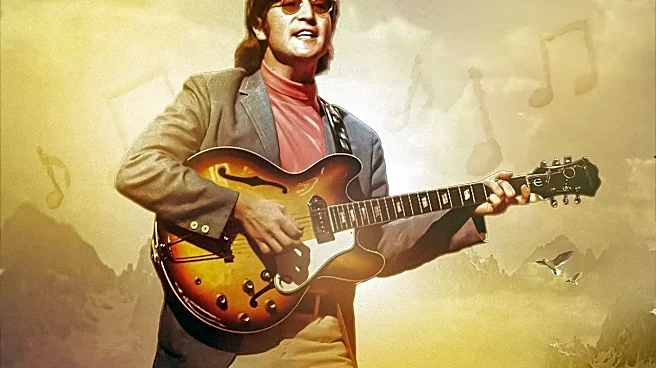
The year was 1972, and John Lennon and Yoko Ono were at the height of their political activism. Having recently moved to New York, they fully embraced the counterculture, befriending activists like Abbie Hoffman and Jerry Rubin. This new environment fueled
their next musical project: the unapologetically political and confrontational double album "Some Time in New York City". Backed by the raw-sounding local group Elephant's Memory, the album was designed to be a musical newspaper, with songs tackling everything from the Attica State prison uprising and the jailing of activist John Sinclair to the conflict in Northern Ireland. The lead single, "Woman Is the Nigger of the World," was so controversial that most radio stations refused to play it. This was the fiery, anti-establishment record Lennon and Ono were launching in June 1972.
The Unwanted Guest
The release party was meant to celebrate this bold new work. But for Lennon, the event was tainted by the surprise appearance of an unwelcome guest: Bhaskar Menon, the head of his U.S. record label, Capitol Records. Lennon was already in a contentious relationship with Capitol. The label was nervous about the album's incendiary content and its commercial prospects. Furthermore, there were ongoing disputes over publishing rights and finances, a common theme in Lennon's post-Beatles career. Seeing the corporate figurehead at a party for his most radical album felt like an ambush—a symbol of the corporate machine he was actively fighting against. For Lennon, Menon’s presence represented a fundamental misunderstanding of the album's entire purpose.
An Act of Principle
Lennon's response was swift and silent. He and Ono simply turned around and walked out of their own party. This wasn't the erratic behavior of his later "lost weekend" period, which was marked by alcohol-fueled incidents like heckling performers in L.A. clubs. The 1972 walkout was a sober, deliberate act of protest. It was Lennon drawing a line in the sand, choosing artistic and political integrity over corporate pleasantries. He was living the anti-establishment message of his music. By leaving, he sent a clear message to his label: he would not perform for the very people he felt were trying to compromise his art and his activism. The Nixon administration was, at the time, actively trying to deport him for his anti-war stance, adding to his sense of being under siege.
The Album at the Center of the Storm
Ultimately, "Some Time in New York City" was a commercial failure. Critics were harsh, with Rolling Stone magazine panning it, and the public, accustomed to the polished, introspective work of "Imagine," was largely baffled by its raw, agitprop sound. The album's newspaper-style artwork, which even featured a satirical drawing of Richard Nixon and Mao Zedong dancing nude, further cemented its confrontational image. Despite its poor reception, the album remains a fascinating and crucial document of Lennon's evolution. It captured a moment when he fully committed to using his immense fame as a platform for radical politics, a move that alienated many but defined his identity outside The Beatles. He was no longer just a pop star; he was a self-styled revolutionary, and this album was his manifesto.