


Start With the Fabric
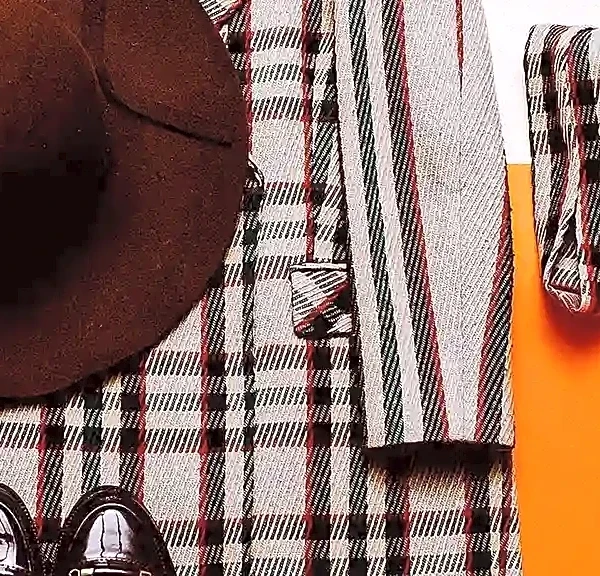
The first and most important clue to a coat’s longevity is its material. Natural fibers are often a hallmark of quality. Wool is a classic choice, prized for its ability to provide warmth, breathability, and durability. When checking the label, look for a high
percentage of wool, ideally 70% or more. A blend with a small amount of synthetic fibers like polyester or nylon can add strength and help the garment hold its shape. Cashmere adds luxurious softness, but check that it’s part of a dense, substantial fabric, not a flimsy knit. Don't just read the label; feel the material. It should feel dense and substantial, not thin or papery. A tightly woven fabric will better resist wind, water, and general wear and tear over time.
Inspect the Stitching and Seams
The quality of construction is revealed in the seams. Take a close look at the stitching along the shoulders, pockets, and lapels. The stitches should be small, tight, straight, and even. There should be no loose threads, bunched fabric, or skipped stitches. Gently pull at a seam; you shouldn't see any threads stretching or gaps appearing, especially in high-stress areas like the armpits. A well-made coat will also have finished seams on the inside to prevent fraying, even if it has a lining. This attention to detail signals that the manufacturer didn't cut corners and built the garment to withstand movement and stress.
Don't Underestimate the Lining
The lining is more than just a finishing touch; it’s a critical component for comfort and durability. A quality coat will be fully lined with a smooth, breathable material like cupro, viscose, or silk. These fabrics allow the coat to slide on easily over sweaters without bunching up and help manage moisture. Cheap polyester linings can feel clammy and are more prone to tearing. The lining should be neatly sewn in, without feeling too tight or having too much excess fabric, as this can affect the way the coat hangs and wears over time. For extra warmth, some winter coats feature quilted or flannel linings.
Test the Hardware
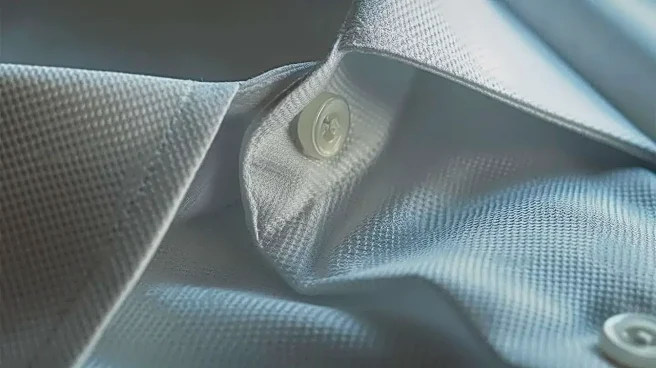
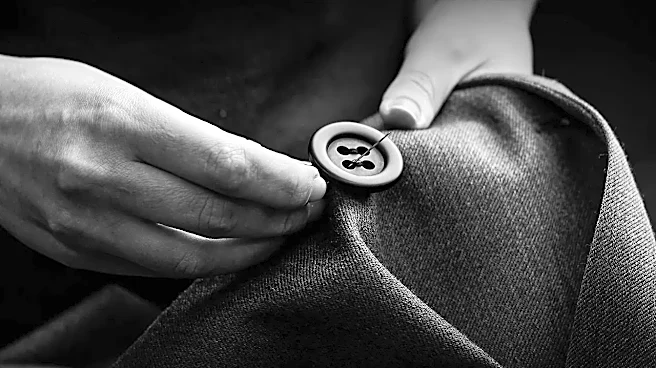
Zippers, buttons, and snaps are the moving parts of a coat and are often the first things to fail. Give them a thorough check in the store. Zippers should feel robust and operate smoothly without catching on the surrounding fabric. Well-known brands like YKK are often a sign of quality. Buttons should be made from durable materials like horn or corozo, not flimsy plastic, and should be attached securely. A quality detail to look for is a “shank,” or a small wrapping of thread that creates space between the button and the fabric, allowing it to be fastened easily without straining the material. Buttonholes should be clean and tightly stitched, with no signs of fraying.
Evaluate the Overall Cut and Fit
A well-constructed coat is designed for both style and function. When you try it on, it should allow for comfortable movement without feeling restrictive. Always test the fit while wearing a thick layer, like a sweater, underneath. Pay close attention to the shoulders, which should sit cleanly on your natural shoulder line. The armholes should be high enough to let you raise your arms without the entire coat lifting up with you. The overall silhouette should be well-structured, meaning the lapels don’t curl and the front hangs evenly when buttoned. This indicates a thoughtful cut and proper internal structure, which helps the coat maintain its shape for years to come.