


1. The Narrative Core
Long before a single garment is sketched, the creative director must define the collection's central theme. Is it a rebellion against formality, an ode to 1970s cinema, or a vision of futuristic glamour? This core concept is the anchor for every subsequent
choice. It’s the story the show will tell, influencing everything from the color palette and silhouettes to the music and lighting. Without a strong, cohesive narrative, a collection is just a series of outfits; with one, it becomes a statement.
2. The Architectural Canvas
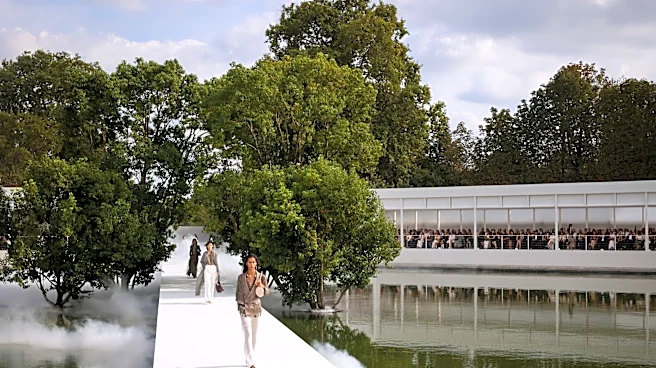
The choice of venue is far more than a logistical detail; it's a primary character in the show's story. Will it be a historic Parisian museum, a raw industrial warehouse, or a custom-built structure in the Tuileries Garden? The space dictates the atmosphere, the layout of the runway, and the audience's physical relationship to the clothes. A grand, opulent hall creates a sense of tradition and luxury, while an unconventional space like a subway platform or an aquatic center can generate viral buzz and signal a break from convention.
3. The Human Hangers
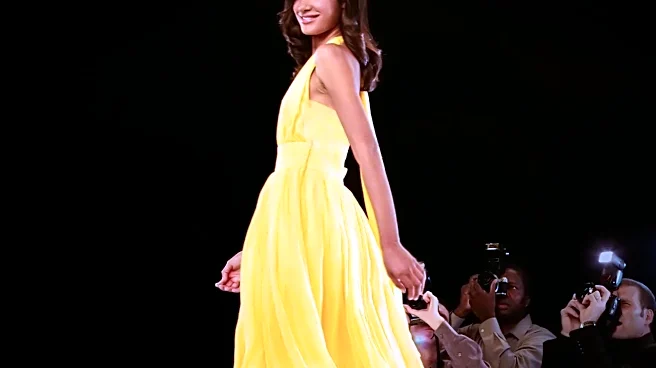
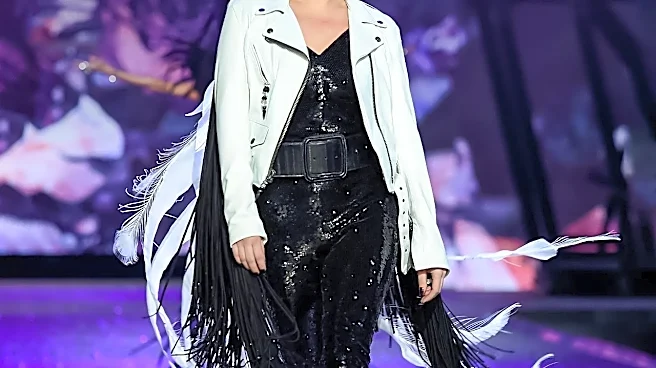
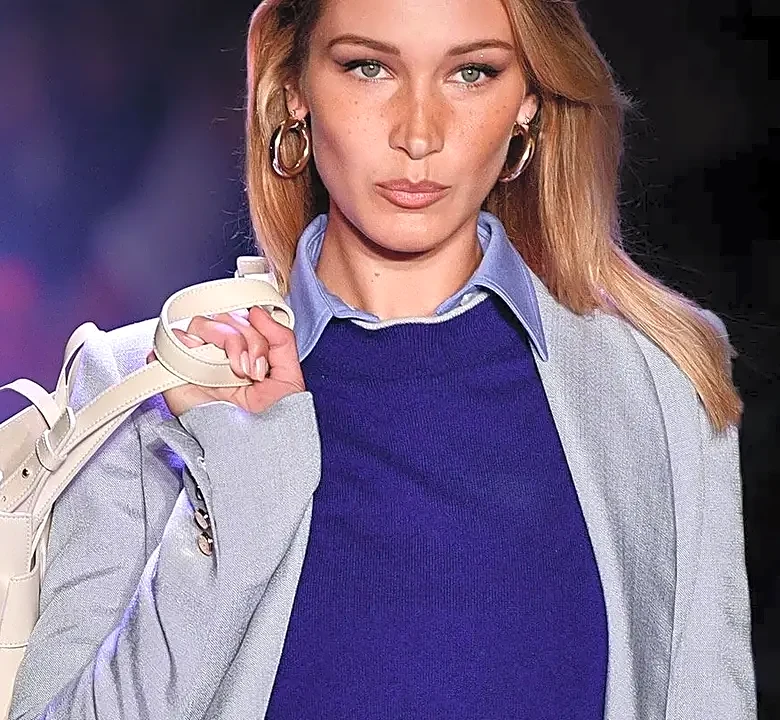
Casting directors and designers don't just pick models; they cast characters who will bring the collection to life. This is a strategic process that begins weeks, if not months, before the show. The decision-making goes beyond traditional height and size requirements, focusing on a model's walk, presence, and ability to embody the brand's ethos. The models chosen to open and close the show are especially critical, as they set the initial tone and provide the final, lasting impression.
4. The Sonic Identity
Music is the emotional engine of a runway show. A show without a soundtrack is just a silent parade; with the right music, it becomes an immersive experience. The decision here isn't just about picking a playlist. Designers often collaborate with renowned DJs or even commission live musical performances to create a unique sonic landscape. The tempo dictates the models' pace, the genre reinforces the collection's theme, and a sudden beat drop can create a moment of high drama.
5. The Choreography of Light
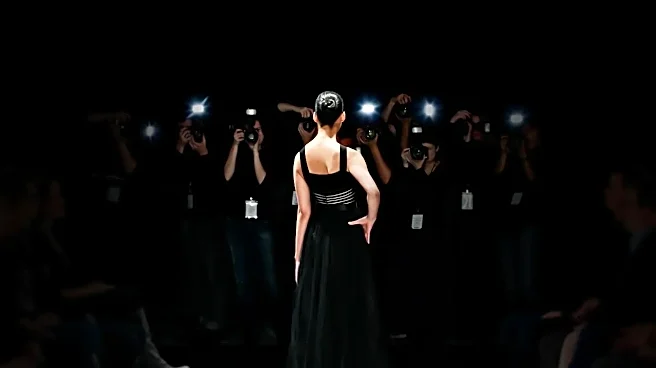
Lighting does more than just illuminate the clothes; it sculpts the space, directs the audience's focus, and creates the mood. Soft, diffused lighting can evoke romance and dreaminess, while sharp, dramatic spotlights create tension and highlight craftsmanship. The lighting plan is carefully choreographed to sync with the music and the models' movements, ensuring that every texture, bead, and color is seen exactly as the designer intended. Poor lighting can wash out colors or hide details, effectively ruining the presentation.
6. The Styling Story
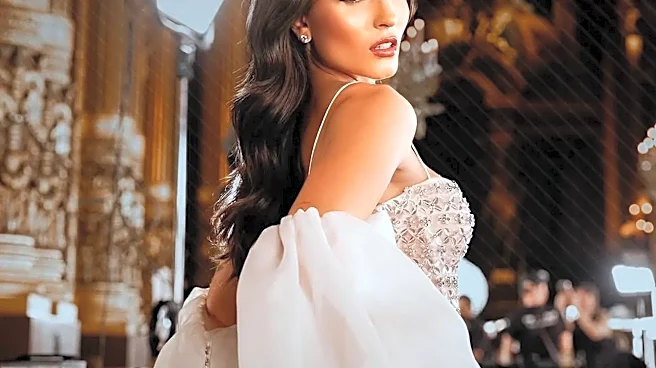
The clothes themselves are only part of the look. The creative director, in collaboration with lead stylists, must make crucial decisions about hair and makeup. These choices aren't arbitrary; they complete the narrative. Will the models have slick, severe hair and bold, graphic eyeliner to match a minimalist collection? Or will they have soft, romantic waves and a natural glow for a bohemian theme? This team of artists works to create a cohesive vision, turning each model into a fully realized character in the show's story.
7. The Hierarchy of Seating
The seating chart is one of the most politically charged and meticulously planned documents in fashion. It’s an art form that balances hierarchy, press visibility, and social dynamics. The front row—the “FROW”—is reserved for A-list celebrities, top editors, and major retail buyers whose presence generates buzz and signals the brand's cultural relevance. But every seat is intentional, balancing sightlines for accessories editors, placing friendly faces together, and ensuring key influencers have the perfect angle for their content.
8. The Show's Pacing and Flow
The order in which the looks appear on the runway is a carefully crafted journey. A model board backstage serves as the definitive guide for this flow. Stylists and designers spend hours deliberating the sequence, starting with an impactful opening look and building towards a show-stopping finale. The flow is designed to tell a story, perhaps moving from daywear to eveningwear, or from monochrome looks into a burst of color. This pacing is crucial for maintaining the audience's energy and attention throughout the brief 10-to-15-minute show.
9. The Fitting and Final Edits
Days before the show, models come in for fittings, where designers and stylists make final, critical adjustments. This is where the theoretical vision meets physical reality. Does a dress move the way it should? Does a jacket fit perfectly on the chosen model? It's a hectic process of pinning, tailoring, and accessorizing to achieve the desired silhouette. Sometimes, entire looks that seemed great in the studio are cut at the last minute if they don't work on the runway, a brutal but necessary part of perfecting the show.
10. The Rehearsal and Backstage Plan
While models are in hair and makeup, a final run-through is often conducted to coordinate timing, walking routes, and any special choreography. Backstage, a small army of dressers, coordinators, and managers operate with military precision. Each model has a designated spot with their looks, and dressers are on hand to facilitate lightning-fast changes between exits. This organized chaos is the hidden engine that ensures the seamless, elegant presentation the audience sees out front. Without it, the entire production would grind to a halt.