





It Starts with the Right Amount
The single biggest mistake most Americans make with sunscreen is not using enough. Dermatologists and the Skin Cancer Foundation are aligned on this: the average adult needs about one ounce of sunscreen to cover their entire body. What does one ounce look
like? Imagine a full shot glass. It might feel like a lot, but this is the amount used during testing to determine a product's SPF rating. If you use less, you are getting significantly less protection than the number on the bottle suggests. For easy-to-remember application, think of a nickel-sized dollop for your face alone, and then work your way down with similarly generous amounts for your neck, arms, torso, and legs. When in doubt, apply more.
Timing Is Everything
Another common pitfall is applying sunscreen the moment you step into the sun. Chemical sunscreens, which are the most common type, need time to be absorbed by your skin to become effective. The standard recommendation is to apply sunscreen a full 15 to 30 minutes before you plan on having any sun exposure. This allows the active ingredients to form a protective layer. Think of it as part of your getting-ready routine, not your leaving-the-house routine. Applying it indoors also helps you be more thorough and less likely to miss spots because you’re not already sweating or rushing to get to the water.
Cover the Forgotten Zones
We’re all pretty good at covering the obvious areas like our shoulders and nose, but skin cancer can develop anywhere. Proper application means being meticulous about the places most people forget. Pay special attention to your ears (a very common spot for skin cancer), the part in your hair or your scalp if you have thinning hair, the back of your neck, the tops of your feet, and the backs of your knees. If you’re applying it yourself, don't be afraid to ask for help with your back. If you're using a spray, it’s not a “spray and go” situation. You must rub it in thoroughly to ensure even coverage and no missed patches.
Choose Wisely and Rub It In
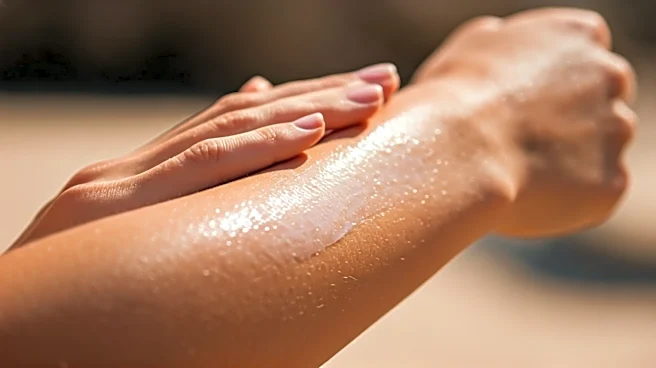
The best sunscreen is one you'll actually use, but for maximum effectiveness, look for three key things on the label: “broad-spectrum,” which protects against both UVA (aging) and UVB (burning) rays; an SPF of 30 or higher; and “water-resistant.” And when you apply, rub it in. Don't just lightly glaze the surface. Proper application involves massaging the lotion into the skin until it's no longer visible. For spray sunscreens, hold the nozzle close to the skin and spray until it glistens, then—and this is the crucial step—rub it in just as you would a lotion. This ensures you haven't just created a spotty, ineffective mist on your skin.
Reapplication Is Non-Negotiable
Sunscreen isn’t a one-and-done deal. Its effectiveness degrades over time, especially when exposed to water and sweat. You must reapply sunscreen at least every two hours to maintain protection. If you’ve been swimming, toweling off, or sweating heavily, you need to reapply immediately, even if it hasn't been two hours. This rule applies to “water-resistant” formulas as well; the label will specify whether it’s effective for 40 or 80 minutes in the water, but after that, you need a fresh coat. Set a timer on your phone if you have to. Consistent reapplication is just as important as the first coat you put on.