





The Franchise That Grew Up With Us
More than any other animated series, Toy Story has served as a mirror for our own lives. The 1995 original explored childhood jealousy and friendship through Woody and Buzz. The sequel wrestled with the fear of being abandoned and the pull between a collector’s
shelf and a child’s love. Then came Toy Story 3, a cinematic gut-punch that perfectly captured the bittersweet pain of leaving for college, forcing a generation of young adults to sob uncontrollably in a theater full of children. Even Toy Story 4, which many felt was an unnecessary epilogue, grappled with a surprisingly mature theme: finding a new purpose after your primary one is gone. Woody’s journey from Andy’s favorite toy to a leader of lost toys was a poignant metaphor for empty-nesters and retirees. This franchise has never just been about toys; it’s been about the humans they belong to, and the emotional milestones that define growing up. Each film has successfully tackled the anxieties of its time, which is precisely why the fifth installment has such a monumental task—and opportunity—ahead of it.
The New Villain Isn't a Toy
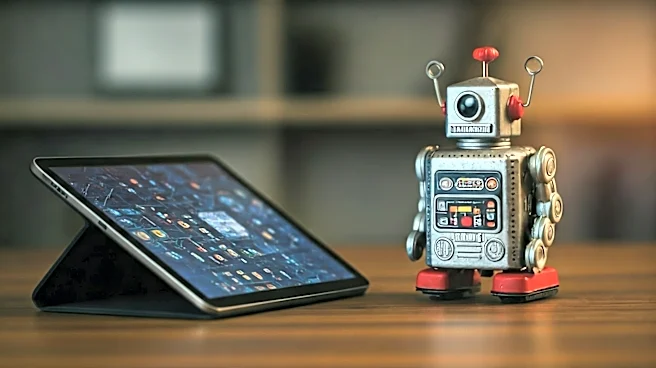
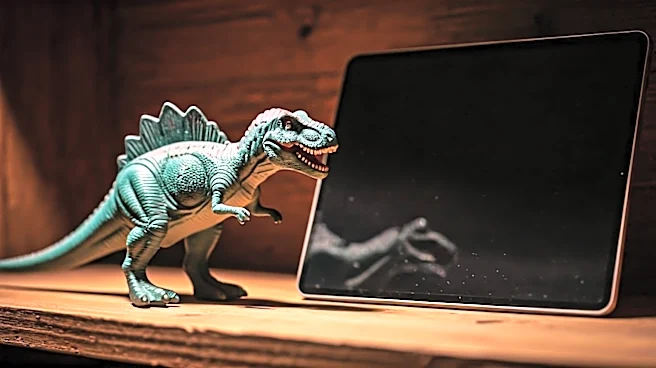
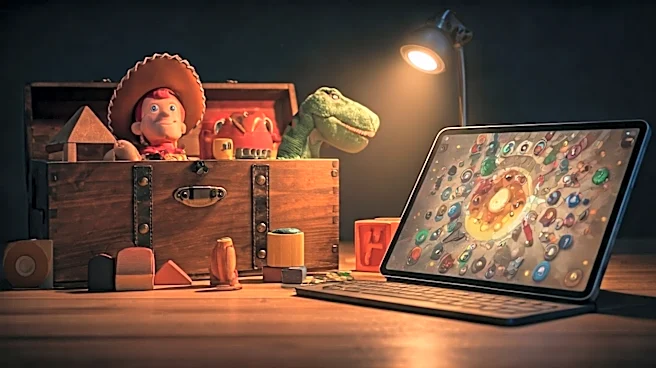
The world has changed dramatically since Andy packed up his room. Today, the biggest competition for a toy isn't a shiny new space ranger—it's a glowing screen. The existential threat facing toys in the 2020s isn't the attic or a daycare center. It's the iPad, the smartphone, and the endless scroll of algorithm-driven content. Child development experts have been sounding the alarm for years about the decline of unstructured, imaginative play. This is the kind of play where a cardboard box becomes a spaceship and a group of plastic figures act out an elaborate, unscripted drama. It’s crucial for developing creativity, problem-solving skills, and social-emotional intelligence. Yet, it’s increasingly being replaced by passive consumption or highly structured, goal-oriented video games. The 'play' of today is often a solo, sedentary activity guided by software, not imagination. This is the new, invisible antagonist that a potential Toy Story 5 plot could, and should, confront.
Why Pixar Is Uniquely Positioned for This
No other studio or franchise is as equipped to tackle this issue. The original audience for Toy Story—millennials and older Gen Z—are now the parents of young children. They are the ones grappling with setting screen time limits, encouraging their kids to go outside, and feeling a pang of guilt when they hand over a tablet for a few minutes of peace. They have a deep, nostalgic connection to Woody and Buzz, characters who represent the very kind of imaginative play they worry their own kids are missing. Toy Story 5 can speak to both generations at once. For kids, it can be a thrilling adventure about toys fighting for a child's attention. For parents, it can be a powerful, emotional reflection on the kind of childhood they want for their families. By making the conflict about the nature of play itself, the film can bypass the preachy, after-school-special tone it might have in other hands. Pixar’s superpower has always been embedding profound human truths inside delightful, accessible stories. This is the ultimate test of that power.
How the Story Could Spark the Conversation
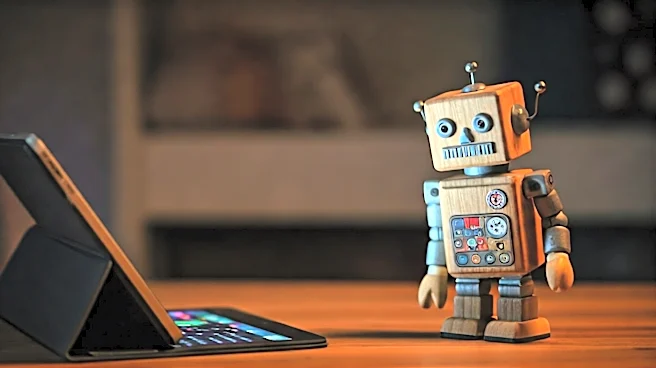
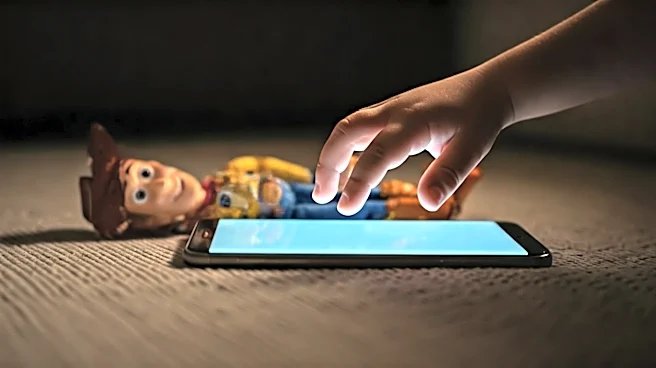
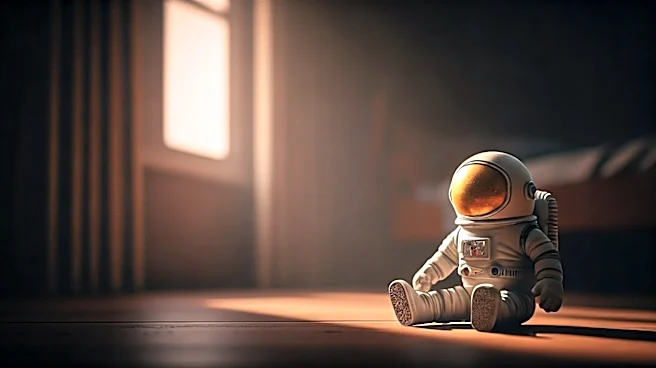
So, what would this actually look like on screen? Imagine Woody, Buzz, and the gang belonging to a new child who loves them, but who loves their tablet more. The toys might find themselves left on the floor for days, not because they’ve been replaced by a new toy, but because their owner is lost in a digital world. Their central mission would no longer be just to get back to their kid, but to remind their kid of the magic they’re missing. The plot could revolve around the toys trying to create an adventure so compelling it pulls the child away from the screen. It would be a battle of imagination versus algorithm. The emotional core wouldn’t be about the fear of being thrown away, but the fear of becoming irrelevant in a world that no longer values what they offer. A scene where a toy tries to interact with a child who is wearing headphones, staring blankly at a screen, could be more heartbreaking than the incinerator scene in Toy Story 3.