




The 2026 Latin Grammy nominations have been announced, and the buzz is about more than just who might win. This year’s list acts as a treasure map, creating fascinating new pathways for listeners to journey back into the rich history of Latin music.
The Superstar Co-Sign
When
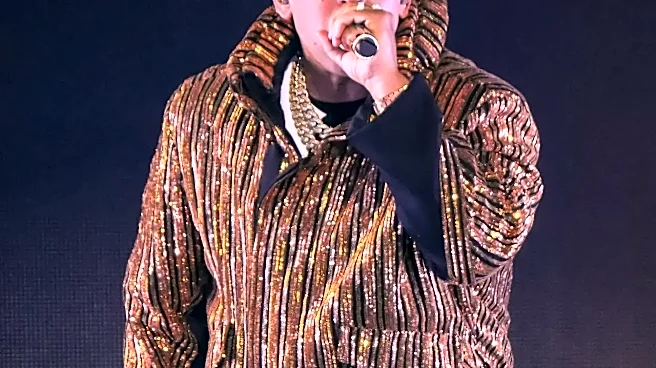
the nominations dropped, one collaboration immediately stood out: Karol G, one of the biggest stars on the planet, teaming up with the legendary Marco Antonio Solís for 'Coleccionando Heridas'. The track, nominated for both Record and Song of the Year, isn't just a potential hit; it's a powerful introduction. For millions of Karol G’s younger fans, this might be their first encounter with Solís, a titan of Mexican and Latin pop for decades. A nomination of this magnitude effectively tells a new generation, 'If you love this, you need to explore his catalog'. It’s a cultural co-sign of the highest order. Similarly, seeing reggaetón pioneer Daddy Yankee nominated for his Bizarrap session serves as a potent reminder of his foundational role in the urban music scene, likely prompting listeners to revisit the albums that built the genre from the ground up.
It Literally Runs in the Family
Perhaps the most direct link to the past comes from the Best New Artist category. Among the nominees are Loulu Gilberto and Zeca Veloso. Those surnames are royalty in Brazilian music. Loulu is the daughter of the iconic João Gilberto, the 'father of bossa nova', while Zeca is the son of Caetano Veloso, a central figure in the Tropicália movement. Their nominations are a remarkable genealogical bridge. Fans curious about these fresh new artists will inevitably discover the revolutionary sounds of their parents, opening up entire discographies that fundamentally shaped modern Brazilian and world music. The Latin Recording Academy isn't just recognizing new talent; it’s acknowledging the power of lineage and inviting listeners to appreciate the roots from which this new music has grown.
The New Curators of Folk
This year’s Album of the Year category is packed with artists who are acting as modern-day curators of traditional sounds. Jorge Drexler’s 'Taracá' is a deep dive into Afro-Uruguayan candombe rhythms, while Silvana Estrada’s 'Vendrán Suaves Lluvias' prominently features the Venezuelan cuatro. Neither album is a strict recreation of folk music; instead, they expertly weave these rustic, historical textures into contemporary singer-songwriter and pop frameworks. By doing so, they make these traditional sounds feel urgent and new. A listener captivated by the intricate rhythms on Drexler’s album might be inspired to seek out classic candombe recordings. Someone moved by Estrada’s delicate instrumentation might explore the history of the cuatro. These artists aren't just making albums; they're providing a gateway to entire cultural histories, using their platform to re-contextualize and revitalize the sounds that influenced them.
The Power of a Perfect Sample
Sometimes the connection to the past is more direct, embedded right into the DNA of a song. Karol G pops up again with her track 'Bby Wow', which brilliantly samples the classic 'Coolie Dance' riddim. That beat is a cornerstone of 1990s dancehall, an instrumental that has been used by countless artists and is instantly recognizable to genre aficionados. For a new listener, hearing that infectious rhythm in a 2026 hit creates an immediate breadcrumb trail. Music discovery platforms and fan communities quickly connect the dots, leading them back to the original artists who made the riddim famous. In the streaming era, this journey is seamless. A single tap can take you from Karol G’s latest smash to a curated playlist of essential 90s dancehall, proving that a well-chosen sample can be one of the most effective tools for musical archeology.