
The red carpet was once a simple affair: a parade of elegant gowns and sharp tuxedos. But at the Latin GRAMMYs, the script has flipped. Fashion here is a language, a performance, and a declaration of who
these artists are.
Beyond the Black-Tie Uniform
For years, major awards shows operated on a fairly rigid dress code. The goal was polished, elegant, and often, safe. But the Latin GRAMMYs have cultivated a different energy. Here, the red carpet is not an endpoint but an extension of the artist's storytelling. While formalwear certainly has its place, it's often remixed with personal flair that defies a simple 'best-dressed' label. Take Christian Nodal's modern take on a three-piece suit, punctuated with a signature bolo tie, or Grupo Frontera's sophisticated Western-inspired tailoring. These choices are deliberate, signaling a move away from a uniform standard and toward a celebration of individuality. The message is clear: showing up in style means showing up as yourself.
Wearing the Music, Literally
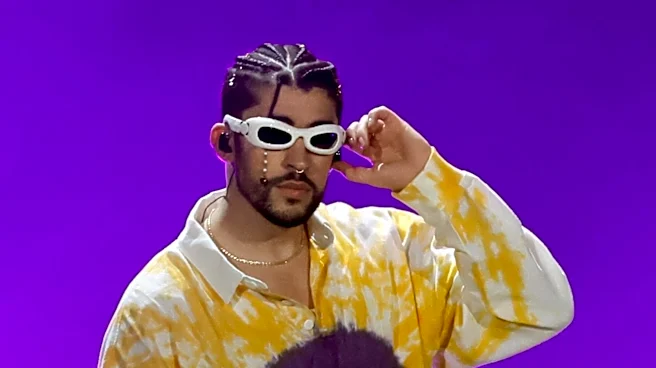
The most compelling fashion moments happen when an artist's outfit feels like a visual translation of their music. Reggaeton's streetwear roots are visible in the luxury tracksuits and bold sneakers, while a traditional charro suit worn by an icon like Pepe Aguilar grounds música Mexicana in its rich heritage. It's a trend that sees artists like Rosalía, whose 'Motomami' aesthetic blends flamenco passion with futuristic edge, become walking extensions of their albums. Bad Bunny, a master of this, has used his style to reflect his musical evolution, from the experimental, print-heavy looks of his early career to the gender-fluid, boundary-pushing ensembles from designers like Jacquemus and Burberry that define his global stardom. His outfits are as eclectic and genre-bending as his chart-topping tracks, proving that the fashion is part of the art.
A Stage for Cultural Pride
More than any other major awards show, the Latin GRAMMYs red carpet serves as a vibrant platform for cultural and national pride. Outfits frequently incorporate motifs, colors, and textiles that nod to an artist's home country. This can be seen in the use of colors from national flags, collaborations with local artisans, or the championing of Latin American designers on a global stage. This tradition has deep roots, from Celia Cruz's flamboyant wigs and dresses that celebrated Afro-Caribbean joy to Selena's iconic jumpsuits that became a symbol of Latina pride. Today's stars continue that legacy. By choosing looks that tell a story about their heritage, artists transform a simple walk down the red carpet into a powerful statement about representation, identity, and the diversity of Latin cultures.
The New Fashion Influencers
The fusion of music and fashion has made Latin artists some of the most sought after figures for luxury brands. Fashion houses like Louis Vuitton, Dior, and Versace are no longer just dressing musicians for a night; they are signing them as global ambassadors. Maluma has starred in Versace campaigns, Rosalía has partnered with Dior, and Bad Bunny has become a face for Jacquemus. This isn't just about celebrity endorsements. It marks a significant cultural shift where musicians are seen as a primary engine of style, shaping trends far beyond the music industry. Their massive community of fans doesn't just listen to their music; they adopt their aesthetics, turning red carpet choices into mainstream fashion movements. As a result, what a star wears to the Latin GRAMMYs can have a ripple effect, influencing wardrobes around the world.