








More Than Just a Game
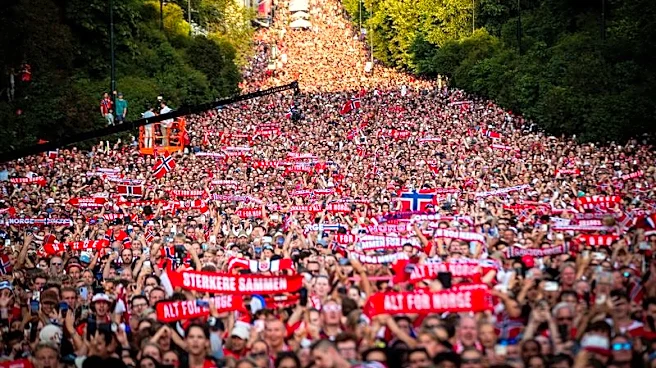
To understand this defiant chorus, you have to first understand that for much of the world, a national soccer team isn't just a collection of athletes—it's a symbol of the country itself. Every match becomes a miniature referendum on national character,
a chance to project an identity onto the global stage. When fans sing for a losing side, they aren't cheering for the scoreline. They are cheering for the flag, for the shirt, and for the idea of who they are. The team’s performance is secondary to the act of representation. The singing reinforces that their pride in their country and their community is not dependent on a 90-minute result. It’s a declaration that their identity is unshaken, even in defeat.
The Sound of Gratitude
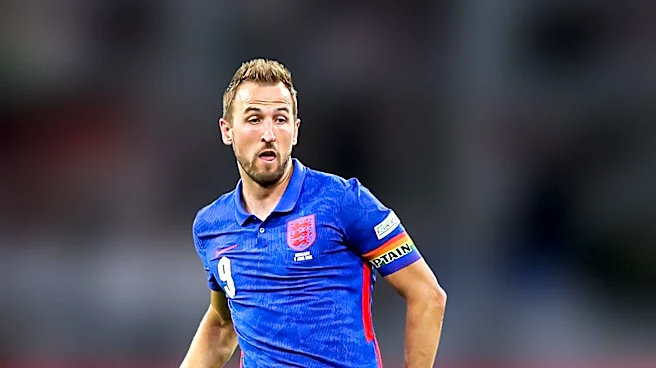
Think of it less as a celebration and more as a thank you. After England was knocked out of the 2018 World Cup semifinal, their fans famously remained in the stands, belting out the Oasis anthem “Don't Look Back in Anger.” It was a deeply moving moment of collective catharsis. This wasn't denial. It was an acknowledgment of the journey, a recognition of the joy and hope the team had provided. The players, many in tears, were serenaded not with boos or silence, but with a song of resilience and appreciation. The singing transforms the bitter sting of a loss into a shared, honorable memory. It’s a final, powerful act of communion between the team and its supporters, acknowledging the effort and the shared dream, even if it ended in heartbreak.
A Community Forged in Passion
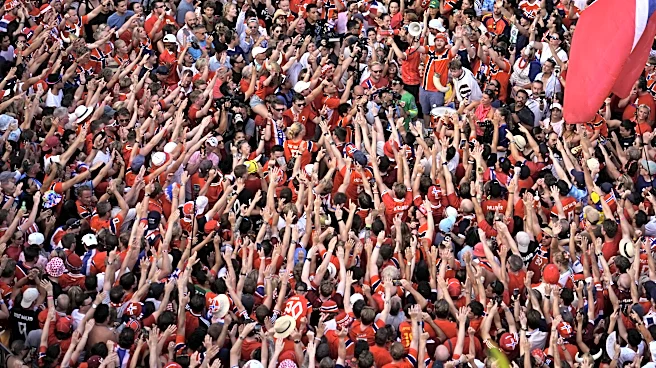
In many global soccer cultures, fandom is an inherited trait, a lifelong commitment passed down through families and neighborhoods. This creates an incredibly powerful sense of community, a tribe bonded by shared history and emotion. Psychologists note that this shared suffering is a potent glue. Enduring the lows together creates a fellowship that winning alone cannot. When thousands of fans sing in unison after a loss, they are physically and emotionally reinforcing that bond. They are reminding themselves, and each other, that they are all in it together. The pain of the loss is real, but the strength of the community is stronger. The song is the sound of that community holding itself together.
An American Contrast
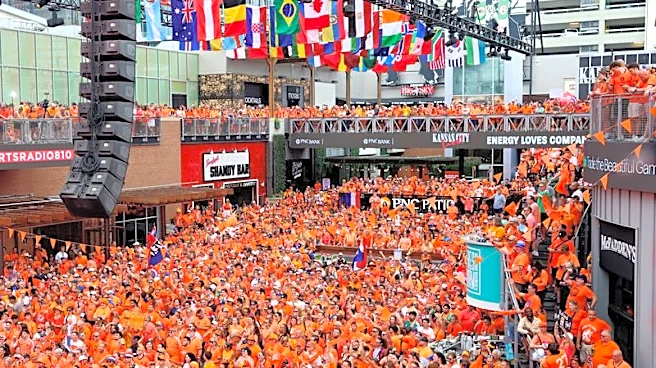
This can feel foreign to the U.S. sports landscape, where fandom is often more closely tied to entertainment and results. When the USMNT was eliminated from the 2026 World Cup on home soil, the dominant reactions were shock and devastation. While the passion is undeniable, American sports culture often frames a loss as a failed transaction; you paid for a ticket, you wanted a win, and you didn't get it. For many global fans, however, you don't just watch the team—you are the team. Your role as a supporter is to provide the atmosphere, the noise, and the spirit, regardless of the outcome. The singing isn't conditional. It's a fundamental part of the experience itself, a duty and a privilege.
A Tradition of Noise and Belonging
This practice is rooted in the history of soccer's “terrace culture,” where organized, organic chanting became the primary way for working-class fans to feel like active participants in the game. These songs—often adapting pop melodies with clever, specific lyrics—are a living folk tradition. They aren't prompted by a Jumbotron or a stadium DJ; they rise from the crowd organically. This tradition of vocal support is about creating a “wall of sound” that both intimidates opponents and lifts the spirits of their own players. It is the fans’ way of contributing to the fight. So when the final whistle confirms defeat, the singing doesn't stop. It’s just the last act of participation in a ritual that means everything.