




The Most Important Shot Isn't the Monster
In horror, what you don't see is often more terrifying than what you do. The most powerful tool in an editor's arsenal isn't the monster, the ghost, or the killer—it's the reaction shot. This is the moment we cut away from the action to see a character’s
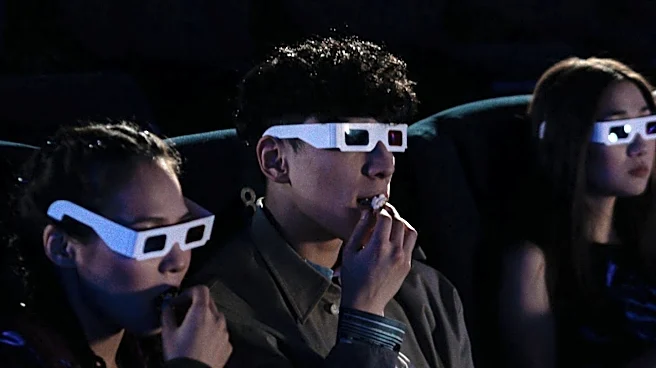
response. It’s a simple cutaway to a face, but it’s doing immense psychological work. An editor uses this shot to provide psychological cues that tell the audience exactly how afraid they should be. Before you ever see the creature in the shadows, you see the pure terror on the protagonist's face, and your brain immediately accepts the threat as real and horrifying. The reaction shot is the editor’s way of hijacking your empathy and making the character’s fear your own.
The Kuleshov Effect: Manufacturing Emotion
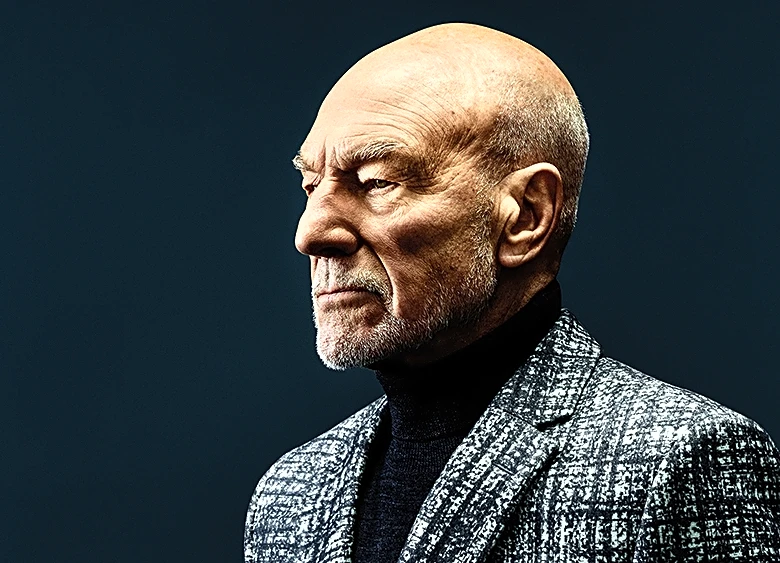
This technique is so effective it has a name: the Kuleshov Effect, named after Soviet filmmaker Lev Kuleshov who experimented with it in the 1920s. Kuleshov demonstrated that audiences would project different emotions onto an actor's neutral expression depending on the image that followed it. Show a blank face and then a bowl of soup, and the audience sees hunger. Show the same face followed by a coffin, and they see grief. Horror editors use this principle constantly. An actor might have a fairly neutral or ambiguous look of surprise on set. But when the editor cuts from that face to a fleeting glimpse of a shadowy figure, the audience automatically interprets the expression as absolute terror. The editing, not just the performance, creates the emotion.
Building the Scare with Sound (and Silence)
A reaction shot doesn't land in a vacuum. The editor works hand-in-glove with the sound designer to weaponize audio and, just as importantly, silence. The relentless drone that builds tension, the scraping noise from an unseen source, or the sudden, unnatural quiet that puts you on high alert are all part of the setup. A horror editor knows that creating a false sense of security and then pulling the rug out is key. They might let a scene get uncomfortably quiet, making the audience lean in and strain to hear. In that moment of heightened awareness, even a subtle change—the creak of a floorboard, a faint whisper—feels monumental. The cut to the reaction shot, often paired with a loud, impactful sound, becomes the explosive payoff to the tension the silence created.
Controlling the Rhythm of Fear
Beyond individual cuts, editing is about establishing and breaking rhythm. An editor can control the entire pace of a scene to manipulate the audience. Think of a chaotic chase scene: it’s often a flurry of quick, disorienting jump cuts that mirror the character’s panic. Conversely, a scene building suspense might use long, unbroken takes where the camera prowls down a dark hallway. The lack of cutting makes the audience feel trapped, unable to look away, desperately searching the frame for any inevitable threat. When the pattern is finally broken by a sudden cut—to the monster, or simply to a character screaming—the impact is doubled. The editor acts as a conductor, speeding up and slowing down our heart rates with the rhythm of the cuts.