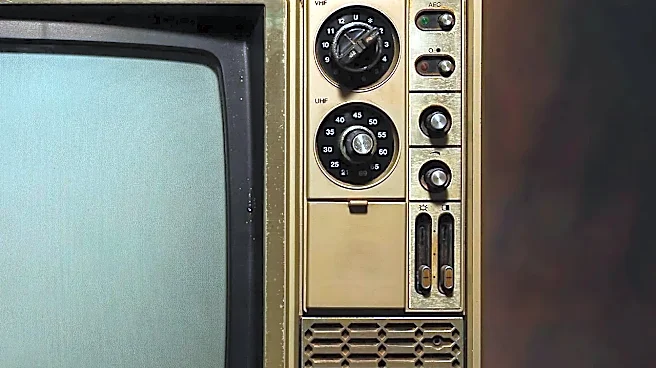

The Blurring Line Between TV and Cinema
Not long ago, a clear line existed between the look of a television show and a feature film. TV was the land of functional lighting and straightforward camerawork, while cinema was the domain of sweeping
vistas and breathtaking shots. That line has all but vanished. Today, shows on streaming services and premium cable boast budgets and visual ambitions that rival Hollywood blockbusters. The result is a viewer experience that is more immersive and detailed than ever before. This evolution is most clearly celebrated at the Creative Arts Emmys, the annual ceremony honoring the artists and technicians behind the scenes. These awards for cinematography, production design, and visual effects are no longer secondary honors; they are acknowledgments that the very language of television has fundamentally changed.
Building Worlds, One Pixel at a Time
Prestige television is now synonymous with world-building. Whether it's the sprawling, sci-fi landscapes of a show like Foundation or the meticulously recreated historical settings of a period drama, production design and visual effects (VFX) are central to the narrative. The Creative Arts Emmys for these categories recognize the herculean effort it takes to create these environments. Teams of artists blend practical sets with computer-generated imagery so seamlessly that the audience rarely knows where one ends and the other begins. Recent Emmy-nominated shows demonstrate this complexity, with VFX supervisors overseeing everything from the creation of digital characters to the construction of entire cityscapes. This isn't just about making things look cool; it’s about crafting a believable reality that allows complex stories to unfold.
The Cinematic Soundscape
It’s not just what you see, but what you hear. The auditory world of prestige TV has become as layered and complex as its visuals. Sound designers and mixers are no longer just ensuring dialogue is clear; they are composing intricate sonic tapestries that heighten emotion, build suspense, and fully immerse the viewer. Think of the chilling, atmospheric silence in a thriller, or the cacophony of a chaotic kitchen in a critically acclaimed drama. These are deliberate artistic choices that are increasingly being recognized by the Television Academy. The Emmys for sound mixing and sound editing now honor work that is astonishingly subtle and powerful, proving that what we hear is just as crucial to storytelling as what we see on screen. For example, recent awards have highlighted shows that use sound to create a distinct sense of place and character.
Craft as the Core Storyteller
The evolution of these technical categories points to a larger trend: craft is no longer just in service of the story, it is the story. Directors and showrunners now lean on cinematographers, production designers, and sound engineers as key creative partners. A show’s visual style or sound design can become as much of a signature as its lead actor or writer. The Creative Arts Emmys have become the primary arena where this shift is codified. In fact, the Television Academy's recent decision to move several writing and directing categories from the main telecast to the Creative Arts ceremonies underscores this transformation. While controversial, it positions the Creative Arts event as a powerhouse of narrative and technical awards, reflecting an industry where the lines between 'above the line' and 'below the line' talent have become increasingly blurred. The artisans celebrated at this event are the ones defining the very look and feel of modern television.