
The Religion of 'Made in Italy'
The phrase 'Made in Italy' is more than a marketing tag; it’s a promise of a certain kind of quality rooted in a unique ecosystem. Unlike its fashion capital counterparts, Milan's strength lies not just in its famous design houses but in the vast, often
family-owned network of specialist workshops and factories that support them. This centuries-old tradition of artisanship, from textile mills in the north to leather tanneries and expert tailors, forms the backbone of the entire industry. These craftsmen are masters of their trade, their skills passed down through generations, ensuring that every garment carries a piece of Italian heritage. It’s this deep-seated culture of making things well, with precision and passion, that separates Milanese fashion from more trend-driven or mass-produced luxury.
An Obsession with Materials
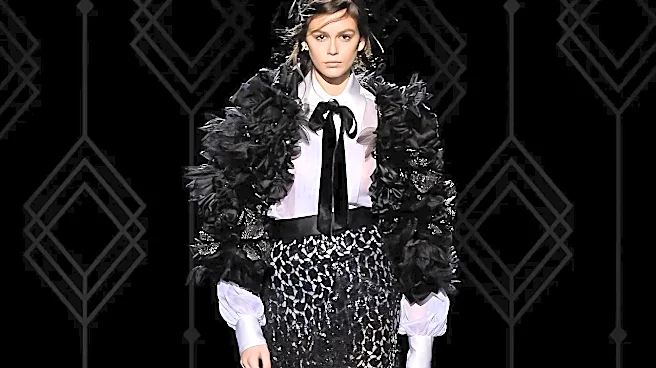
If other fashion weeks are about concept, Milan is about content—specifically, the fabric and leather from which the clothes are made. The recent Spring/Summer 2027 shows were a testament to this material focus. At Brunello Cucinelli, the collection was a quiet exploration of premium, lightweight fabrics, from crisp linen to gauze-weight cashmere, designed for real life. Even at its most conceptual, Milanese design leads with texture. Prada's 'Clarity' collection, while focused on a spare, reduced silhouette, found its intrigue in fabric innovation, reinventing jeans in leather and using transparent technical materials to reveal the garments' construction. Similarly, the final collections from the house of Giorgio Armani, following the founder’s passing, continued his legacy with an emphasis on fluid tailoring and tactile, lived-in textures like sun-scorched suedes and crinkled linens. This reverence for the raw material is a defining characteristic of Milan's enduring appeal.
Tailoring as the Main Event
While fashion’s other capitals might prioritize avant-garde shapes or streetwear, Milan has always been the global standard-bearer for tailoring. The city’s designers understand that the sharpest statement is often a perfectly cut jacket or a trouser that falls just so. This season reinforced that idea. Prada’s hyper-controlled, linear fit saw classic denim jackets cropped to precision. At the post-Giorgio Armani shows, creative director Leo Dell'Orco presented a relaxed but balanced silhouette, with longer jackets and slimmer trousers that felt elegant and easy. The city's style is grounded in this principle: that practicality and simple elegance, achieved through impeccable construction, are more powerful than any fleeting trend. It's a philosophy that has defined Milan since the 1970s, when it emerged as a capital for ready-to-wear that was both beautiful and wearable.
New Guards, Enduring Values
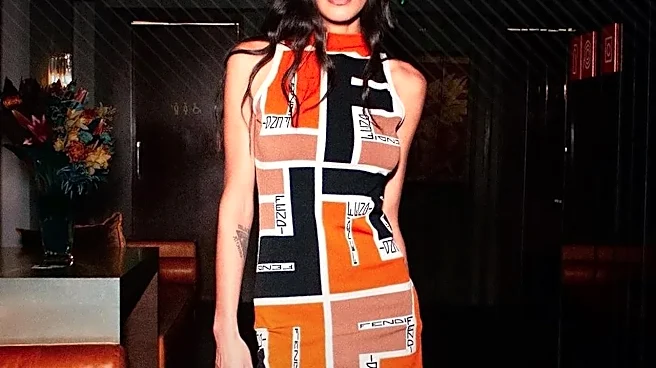
Milan’s focus on craft isn't about being stuck in the past. A new generation of creative directors is reinterpreting this heritage for a modern audience. At Fendi, Maria Grazia Chiuri’s recent collections have centered on a wardrobe rooted in material experimentation and the process of making, stripping away grand gestures to focus on construction and how clothes feel on the body. At footwear and leather goods house Santoni, the SS27 presentation became a live showcase of craftsmanship, with artisans demonstrating hand-coloring and intricate weaving techniques for visitors. These brands prove that the city’s core values—quality, artisanship, and a respect for materials—are not nostalgic but are constantly being re-examined and pushed forward. It’s this dynamic between heritage and innovation that keeps Milan at the forefront.