

The Material Matrix: Rubber, EVA, or PU?
The first decision a shoe designer makes is about the sole's core material, and it’s a game of trade-offs. The three main contenders are rubber, EVA, and polyurethane (PU). Rubber is the undisputed king of durability and traction. It’s the all-terrain
tire of the footwear world, offering excellent grip on wet grass, mud, and gravel, which is why it dominates outdoor and work boots. The downside? It can be heavy. On the other end of the spectrum is EVA (ethylene-vinyl acetate), the lightweight, cushiony foam found in most running shoes. It provides fantastic shock absorption for long days of walking and dancing, but it's less durable than rubber and can lose its bounce over time. Then there's PU, a versatile middle ground. It's more durable and supportive than EVA but heavier. It offers great resistance to wear and tear, making it a reliable choice for boots that need to last multiple seasons. Often, designers will create a hybrid, using a comfortable EVA midsole for cushioning with strategically placed rubber pods on the outsole for grip where it matters most.
Getting a Grip: The Art of the Tread
Once the material is chosen, the next challenge is the tread pattern. This is where designers become fortune-tellers, betting on the conditions you’ll face. For notoriously muddy festivals, deep, thick lugs are non-negotiable. These chunky patterns, often seen on combat or hiking boots, are designed to bite into soft ground and provide stability. However, those same deep lugs can feel clunky on hard, dry earth and can trap rocks. For festivals in arid climates, designers might opt for a shallower, more complex tread with multi-directional patterns. These offer consistent grip on dusty paths and uneven, packed dirt without the aggressive bite of a full lug sole. Some brands even use specific named soles, like the classic Dainite sole, which uses recessed circular studs to offer grip without trapping mud—a clever solution for boots that need to look stylish while still performing. The goal is to provide reliable traction without weighing the wearer down, anticipating everything from a sudden downpour to a dusty dance floor.
The Hidden Hero: Midsoles and Support
The part of the sole that touches the ground—the outsole—gets all the attention, but the midsole is the unsung hero of comfort. This hidden layer is responsible for shock absorption and cushioning. Even on a rugged rubber-soled boot, the midsole is often made of a softer material like EVA to cushion your foot from impact. This is crucial for festival-goers who spend 12-plus hours on their feet. Beyond the midsole, designers think about the sole as part of an integrated system. They consider how it connects to the upper, whether the boot has a supportive shank for arch stability, and if there's enough padding in the footbed. A well-designed festival boot has features like a padded collar to prevent blisters and a secure fit that stops your foot from sliding around inside, which can be just as important as the sole itself for preventing pain after a long day of walking and dancing.
The Final Polish: Function Meets Fashion
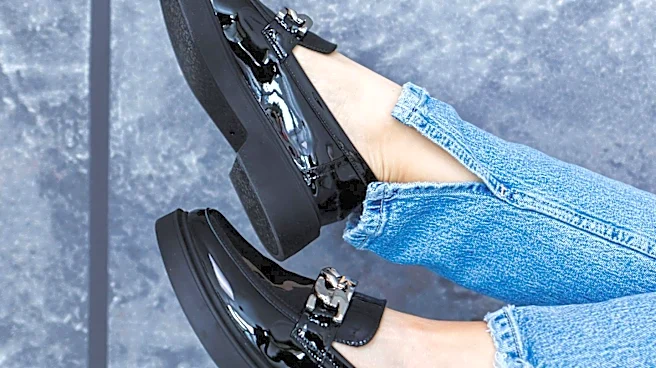
Let's be honest: practicality is important, but no one wants to wear orthopedic-looking shoes to a music festival. The final and perhaps trickiest part of the designer's job is to merge all this technical function with current fashion trends. This is where clever design shines. The rise of the chunky sneaker and platform boot has been a gift to designers, allowing them to pack in thick, supportive soles without sacrificing style. They might use a classic combat boot silhouette but construct it from lightweight materials to reduce fatigue. Or they’ll design a stylish wedge sandal with a textured rubber sole for grip and a memory foam footbed for comfort. The design challenge is to make the functional elements feel intentional and cool. The result is footwear that looks the part but secretly works hard to keep you comfortable, stable, and ready for whatever the festival throws at you, from the opening act to the final encore.