
The Convention Arms Race
Modern comic conventions are a spectacle. Events like San Diego Comic-Con (SDCC) have become massive cultural hubs, driving hundreds of millions in local economic impact and setting the agenda for Hollywood's biggest studios. The competition is fierce,
with each convention vying for exclusive announcements, world premieres, and the most sought-after celebrity guests. This has created an arms race for spectacle, where success is often measured by the size of the movie panels in Hall H or the number of star-studded photo ops. While New York Comic Con (NYCC) certainly participates, with attendance topping 250,000, it navigates this landscape with a different center of gravity. In a world dominated by corporate brands and massive media franchises, NYCC has doubled down on the very thing that started these gatherings in the first place: the direct, unfiltered connection between a fan and a creator.
Artist Alley as the Main Stage
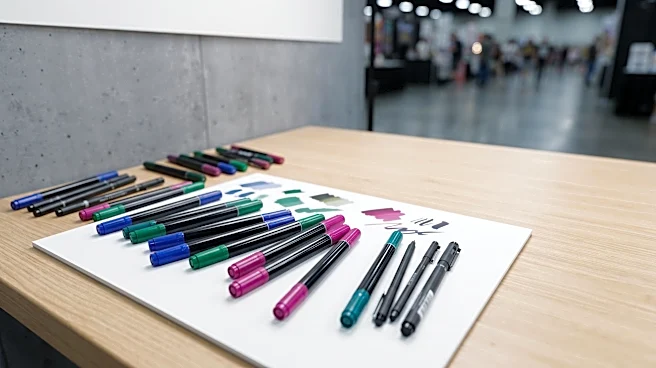
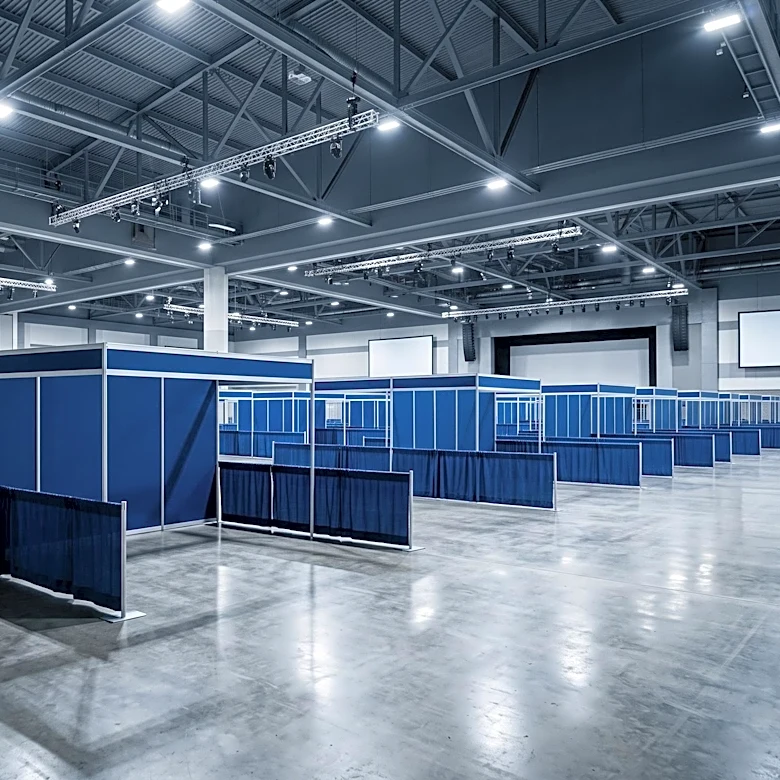
At many conventions, Artist Alley can feel like a secondary attraction, a maze of tables tucked away from the main show floor. At NYCC, it's a core feature and a massive draw. Attendee and creator feedback consistently highlights NYCC's Artist Alley as larger and superior to that of its main competitor, SDCC. This isn't just about size; it's about prominence. ReedPop, the event's organizer, has intentionally designed the experience to place independent artists, writers, and comic creators at the heart of the show. Fans describe it as a primary destination, a place to spend hours discovering new talent, commissioning sketches, and having genuine conversations with the people who make the stories they love. This focus transforms creators from a simple component of the con into its foundational selling point.
Programming That Goes Beyond the Blockbusters
While major franchises from Marvel, AMC, and Paramount+ are a huge part of the NYCC schedule, the panel lineup reveals a deeper strategy. Alongside blockbuster previews, the con is packed with spotlight panels on individual comic creators, workshops on the craft of writing and art, and discussions with authors of bestselling fantasy series. Panels featuring creators like Todd McFarlane or the minds behind Paper Girls sit alongside big-budget TV premieres. This curated mix serves a dual purpose. It satisfies the mainstream audience drawn by big media, but it also caters to a dedicated fanbase that craves deeper engagement with the art form itself. It signals that at NYCC, the person who draws the comic is just as important as the actor who stars in its adaptation. This approach makes the event a hub for both consumption and creation.
The Authenticity Flywheel: A Smarter Business Model
This focus on creator authenticity isn't just a feel-good strategy; it's a powerful business model. In an increasingly digital world, the desire for face-to-face interaction and genuine connection is a valuable commodity. By facilitating these moments, NYCC builds a loyal following. Fans who have a meaningful interaction with an artist are more likely to return and evangelize the experience to others. Creators, in turn, find the event to be a valuable place for both sales and fan engagement, making them eager to participate. NYCC further cultivates this by actively recruiting and credentialing online content creators, encouraging them to share their experiences and amplify the event's reach. This creates a self-sustaining "authenticity flywheel": direct creator access drives positive fan experiences, which generates organic social media buzz, attracting more fans and more creators, solidifying NYCC's unique market position.