





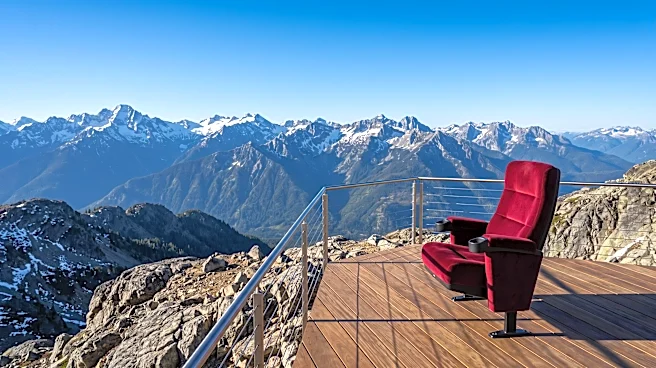

An Unlikely Setting for a Festival
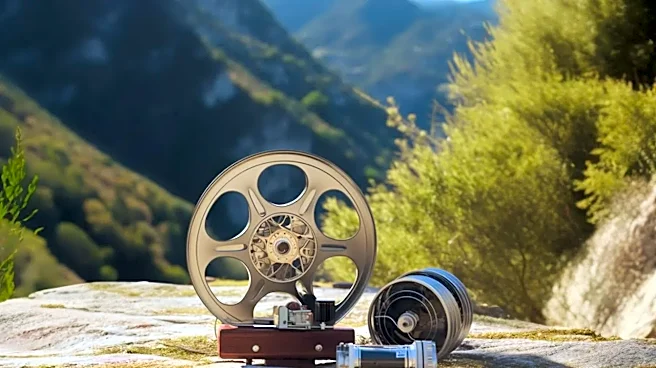
In 1974, the Telluride Film Festival was born from a simple idea by its founders, including Bill and Stella Pence. After restoring the town's historic Sheridan Opera House, they envisioned a festival for people who simply loved movies, far from the commercial
pressures of other events. They chose Labor Day weekend, a quiet slot in a remote former mining town tucked high in the San Juan Mountains. The timing was practical, marking the end of the summer season, but it would soon prove to be a stroke of genius that defined the festival's very character.
A Sanctuary Before the Awards Storm
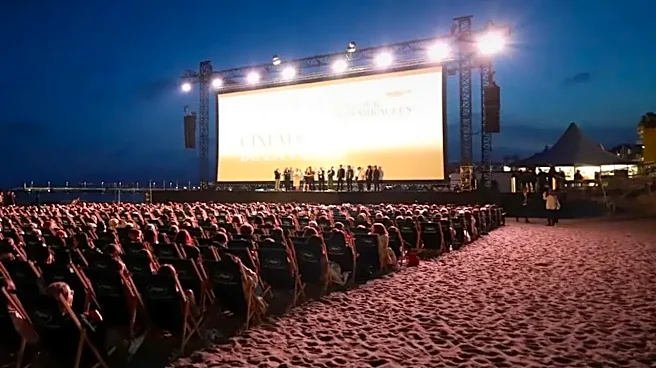
Telluride’s position on the calendar is crucial: it takes place after Cannes but right before the bigger, more media-heavy festivals in Toronto and New York. This makes it a serene bubble, a place where filmmakers and cinephiles can connect in a relaxed, intimate setting. The holiday weekend enhances this retreat-like atmosphere, fostering a non-commercial, non-competitive vibe. There are no awards, no red carpets, and no frenzied press junkets. The focus is purely on the art of film, allowing attendees to feel like they're part of a shared, passionate secret.
The Ultimate Oscar Launchpad
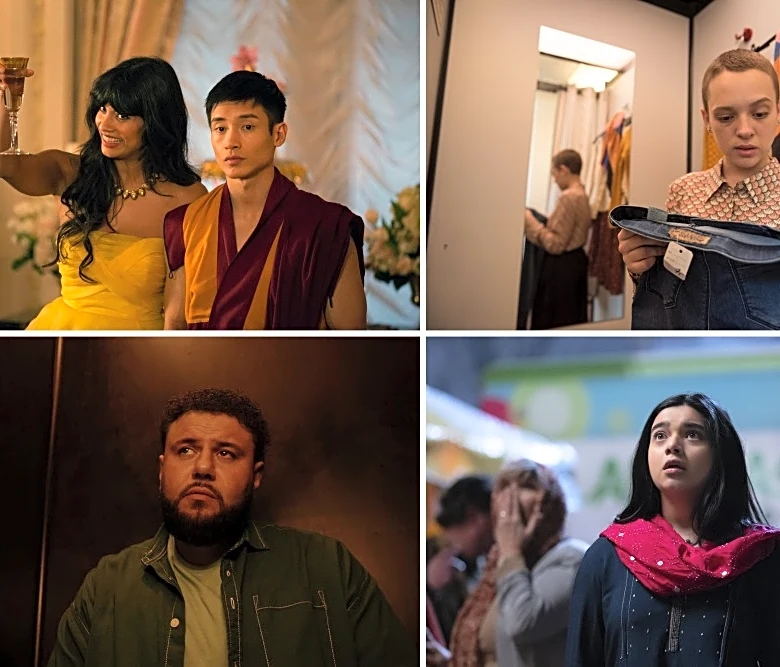
For decades, that quiet Labor Day buzz has served as the unofficial starting gun for awards season. Studios and filmmakers use Telluride to host the first North American screenings of their most promising films. It’s where movies like "Slumdog Millionaire," "Moonlight," and "The King's Speech" first generated the critical word-of-mouth that propelled them toward Best Picture wins. The festival’s famous secrecy—the program isn't announced until the event begins—only adds to the mystique, creating a sense of discovery for the thousands of attendees who arrive on blind faith each year.
More Than Just a Date
Over the years, the Labor Day slot has become inseparable from the Telluride brand. It signifies a unique blend of sophistication and rustic charm, where you might hike a mountain trail in the morning and watch a future classic with its director in the afternoon. The annual gathering is often described in reverent tones, not just as a festival, but as a cinematic pilgrimage. The date represents a deliberate choice to prioritize love for film over commerce, creating a space where conversations in a bar or in line for a screening feel as important as what's on screen.