


The Flowing Reign of the Sixties
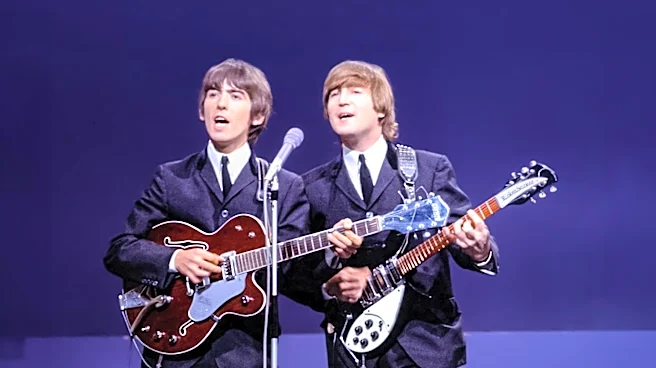
The late 1960s were dominated by the hippie counterculture, and its hairstyle was a powerful symbol of its ethos. For both men and women, hair was grown long, straight, and often parted in the middle. This look was a direct move away from the highly structured,
hairspray-heavy bouffants and beehives that marked the earlier part of the decade. Hippie hair was meant to be natural and free, a rejection of conformity and consumerism. Often decorated with flowers or simple headbands, it signified peace, a connection to nature, and a break from the rigid grooming standards of previous generations. It was the visual representation of the peace-and-love movement, embraced by a generation protesting war and societal norms.
The Anarchic Break
By the mid-1970s, the optimism of the hippie movement had soured for many young people. Economic decline, high unemployment, and widespread social disillusionment created a sense of hopelessness, particularly in the UK and urban centers in the U.S. The hippie dream of changing the world through peace and love felt naive and ineffective to a new, angrier generation. Punk emerged from this frustration as a nihilistic and confrontational force. It rejected the perceived passivity of the hippies and the polished, indulgent sound of mainstream arena rock. This rebellion needed a look that was as loud, fast, and raw as its music, and hair became a primary canvas for this statement.
The DIY Ethos: An Anti-Style Statement
Punk style was, at its core, "anti-fashion". It was built on a Do-It-Yourself (DIY) ethos that rejected polished, professional salon looks and expensive products. Punks used whatever was available to create their styles: kitchen scissors for jagged cuts, household glue or soap to make spikes stand up, and cheap bleach or vibrant dyes to create shocking colors. This DIY approach was a statement against consumerism and a way to create a unique identity outside of the mainstream. Clothing was similarly deconstructed—ripped, safety-pinned, and adorned with handmade patches or stenciled slogans. The goal wasn't to look beautiful in a conventional sense; it was to look defiant, confrontational, and unapologetically individual.
A Glossary of Rebellion
The hairstyles of punk were varied but shared a common language of aggression and non-conformity. The most iconic is the Mohawk, a style with roots in Indigenous warrior traditions that was co-opted by punks as a symbol of defiance. Liberty spikes—tall, sharp spikes arranged across the head—were equally confrontational, creating a weaponized and unapproachable silhouette. Other looks included the messy, spiky hair of Sid Vicious, which embodied a chaotic energy, and the choppy, jet-black shag popularized by musicians like Joan Jett. Bright, unnatural colors like pink, green, and blue were also used to shock and reject natural beauty standards. Each style was a conscious choice to stand apart, a visual declaration of a break from the soft, natural aesthetic of the decade before.