




The Rise of Small, Cozy Burning Man Spaces for People Who Need a Break From Maximalism
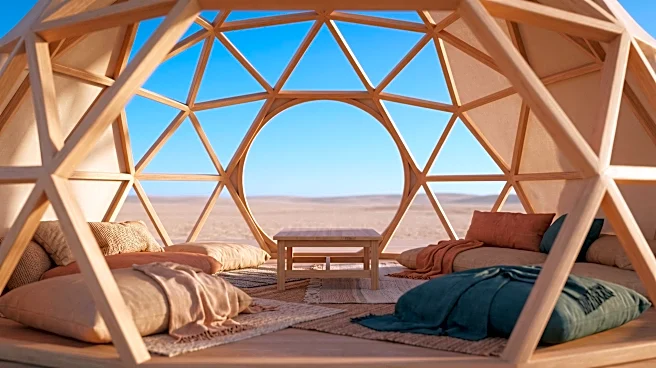
Beyond the giant art cars and massive sound stages, a new trend is emerging at Burning Man: small, cozy spaces offering a quiet retreat.
An antidote to sensory overload
For decades, Burning Man's identity has been tied to maximalism. It's an event defined by overwhelming scale: art installations
that tower over the desert floor, mutant vehicles that look like seafaring ships navigating a dusty ocean, and sound camps with speaker walls that pulse electronic music into the cosmos 24/7. This culture of spectacle is part of the magic, drawing tens of thousands to the Nevada desert to build a temporary city of wonders. But as the event has grown, so has the sheer sensory input. For many Burners, both veterans and first-timers, the constant stimulation can become exhausting. In response, a different kind of experience is taking root. It’s a movement not away from the Burn, but deeper into it, seeking connection and restoration in smaller, more personal settings.
The emergence of the playa nook
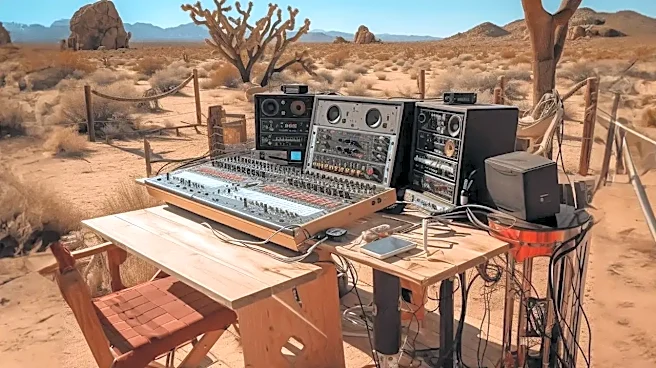
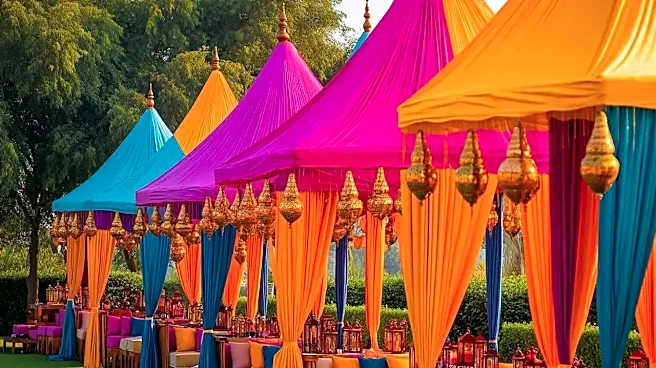
All across the playa, these intimate spaces are popping up, offering a deliberate alternative to the large-scale party. You might stumble upon a camp offering one-on-one discussions about art, with just a few chairs set aside for quiet conversation. Or find a dusty sanctuary for a quiet musical retreat with a handmade limoncello. These can be tea houses offering a warm cup and a moment of peace, like the YOUniversal Teahouse, or camps focused entirely on wellness and rest. Some camps, like Stimulation Station, are designed specifically to counteract the playa's intensity, providing guided meditation, sound healing, and aromatherapy to help participants slow down and reconnect with themselves. Even the Burning Man organization itself is embracing this shift, introducing new plazas lined with smaller, highly-interactive camps to foster more intimate gatherings away from the main thoroughfares.
Radical self-care meets radical self-reliance
This trend isn't a rejection of Burning Man's core principles, but an evolution of them. The guiding ethos of “radical self-reliance” has always meant providing for your own survival in a harsh environment. Increasingly, Burners are interpreting that to include their mental and emotional well-being. Camps that brand themselves as a place to “Unf*ck your Burn” or as a “recharge camp, not a party camp” see rest as a form of participation, not an escape from it. By creating and seeking out these tranquil nooks—whether it’s a sound bath with valerian root tea, a cozy lounge for a catnap, or simply a quiet corner to decompress—attendees are practicing a form of self-care that allows them to stay present and engaged for the entire week. It’s a recognition that to truly appreciate the spectacle, you sometimes need a break from it.
A sign of a maturing culture
The existence of both a 50K ultramarathon and a “sloth bike race” where the slowest person wins shows the incredible diversity of experience available at Burning Man. The rise of cozy spaces adds another layer to this cultural landscape. It suggests the event is maturing, creating a more sustainable and inclusive environment that caters to different needs and energy levels. Newcomers ask online for recommendations on quieter areas, and veterans point them toward the outer rings of the city or to specific low-key theme camps. This demonstrates a community that is not just about pushing limits, but also about understanding them. The giant, fire-breathing art car and the quiet, two-person tea ceremony are not in opposition; they are two sides of the same coin, showcasing a culture rich enough to contain multitudes. The ability to choose your own adventure—whether it’s dancing until sunrise or finding a moment of stillness as the dust settles—is what keeps Black Rock City vital.