

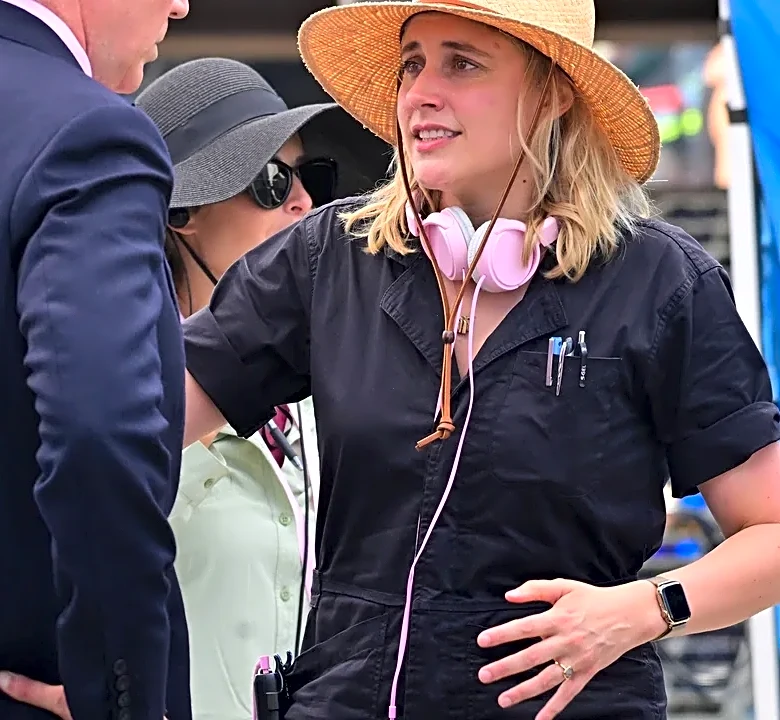

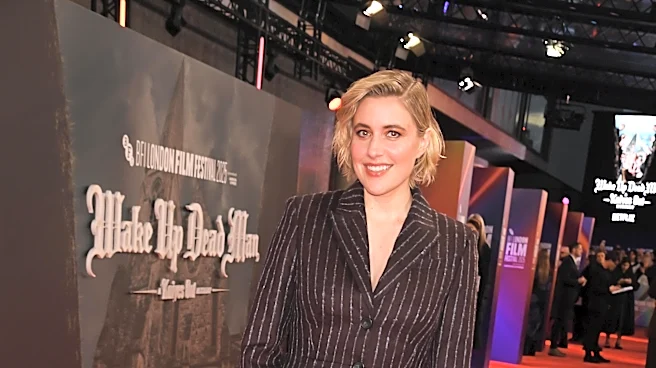
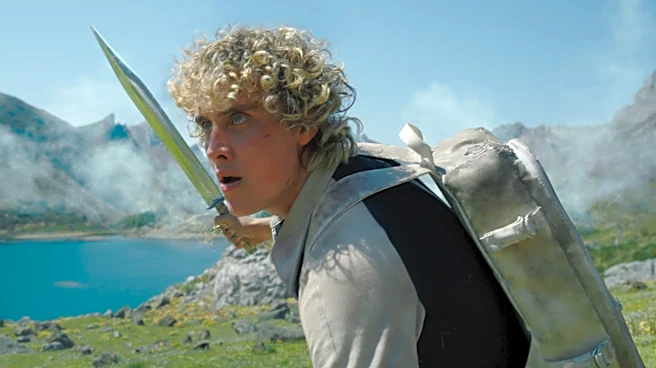
Greta Gerwig’s upcoming 'Chronicles of Narnia' adaptation for Netflix is one of the most anticipated projects in fantasy. Known for her sharp, humane focus on complex relationships, Gerwig is the perfect director to dig into the rich character dynamics
of C.S. Lewis's world. Beyond the magic and battles lies a web of connections perfect for her unique storytelling lens.
Lucy and Mr. Tumnus: A Study in Unlikely Friendship
The first major relationship in Narnia is between a curious girl and a conflicted faun. Lucy Pevensie’s immediate trust in Mr. Tumnus, and his ultimate decision to defy the White Witch to protect her, forms the story's emotional core. This isn't a romance or a grand alliance, but an intimate, slightly awkward, and deeply loyal friendship. Gerwig has a remarkable talent for capturing these kinds of bonds—think of the central friendships in 'Lady Bird' or 'Frances Ha'. She excels at showing how platonic love can be just as world-changing as any epic romance, often focusing on the small moments of tea and conversation that build trust. Expect Gerwig to lean into the quiet bravery of their connection, highlighting the courage it takes to befriend someone from another world, especially when one of you is supposed to be the other's captor.
Susan Pevensie: The Tragedy of Losing Faith
Susan's storyline is one of the most debated and heartbreaking in the entire series. In 'The Last Battle', she is absent from the final reunion in Aslan's Country because she has decided Narnia was just a silly childhood game, choosing instead to focus on 'nylons and lipstick and invitations'. This has been criticized by some readers, but for a filmmaker like Gerwig, it’s a goldmine of dramatic potential. Her films often explore the painful transition from girlhood to womanhood and the difficult choices that come with it. Susan’s arc isn't about being punished for growing up; it’s a tragic story about someone losing their sense of wonder in the face of societal pressure. Gerwig is uniquely equipped to explore Susan's perspective with empathy, perhaps framing her story not as a failure of faith, but as a complex and relatable tragedy of someone who found it too difficult to hold onto magic in a mundane world.
Edmund Pevensie: A Masterclass in Redemption
While Peter is the noble leader, his younger brother Edmund has arguably the most compelling character arc in 'The Lion, the Witch and the Wardrobe'. He begins as spiteful, jealous, and easily tempted by the White Witch's promises and enchanted Turkish Delight, leading him to betray his own siblings. But his journey doesn't end there. Edmund's rescue, his quiet shame, and his ultimate transformation into 'King Edmund the Just' is a profound story of forgiveness and redemption. Gerwig’s work often features characters grappling with their own flaws and seeking forgiveness. She could powerfully illustrate Edmund's internal struggle—the mix of resentment, fear, and eventual remorse—and make his quiet conversation with Aslan, where his sins are forgiven, a pivotal emotional moment. His arc proves that heroism isn't about being perfect, but about finding the courage to change.
Jill Pole and Eustace Scrubb: A Partnership of Equals
Introduced in 'The Silver Chair', the friendship between Jill Pole and Eustace Scrubb is a departure from the Pevensie family dynamic. They are schoolmates, not siblings, and their relationship is built on shared adventure, mutual reliance, and plenty of bickering. They are partners in a difficult quest, forced to trust and depend on one another to survive. This dynamic is pure Gerwig territory. Her films often showcase non-romantic partnerships, highlighting friendships that feel real, complicated, and essential. The push-and-pull between the pragmatic Jill and the formerly bratty (but now reformed) Eustace is full of the witty, naturalistic dialogue Gerwig is known for. It’s a relationship that deepens through shared hardship, showcasing a different kind of Narnian courage—not of kings and queens, but of two ordinary, sometimes difficult, children learning to be heroes together.
Aslan and The White Witch: Ideology and Power
The central conflict between Aslan and Jadis, the White Witch, is more than just good versus evil; it's a clash of worldviews. Aslan represents deep, untamed magic, sacrifice, and resurrection. The Witch embodies cold, sterile control, tyrannical law, and a winter with no Christmas. Gerwig has already shown a flair for exploring dueling ideologies on a grand, fantastical scale with 'Barbie', contrasting the vibrant, messy world of humanity with the rigid perfection of Barbie Land. In her hands, the conflict in Narnia could become a powerful allegory about different forms of power: the Witch’s, which is taken and enforced with a stone-turning wand, versus Aslan’s, which is given freely through sacrifice at the Stone Table. This connection isn't personal, but philosophical, and Gerwig could make their cosmic struggle feel deeply relevant to our own world's battles between control and freedom.