

The Founding 'For The People' Ethos
In 1959, founder George Wein, along with folk icon Pete Seeger and others, launched the festival not as a commercial venture, but as a counterpart to the Newport Jazz Festival. The goal was to create a platform that celebrated the diversity of American
folk music, from Appalachian ballads to protest songs. This non-profit, community-first spirit is its foundational DNA, reflected today in the Newport Festivals Foundation, which supports music education, and a fan culture so loyal the festival sells out before the lineup is even announced.
A Stage for the Civil Rights Movement
From its early days, Newport was intertwined with social activism. In 1963, Pete Seeger invited the Freedom Singers, a quartet from the Student Nonviolent Coordinating Committee (SNCC), to perform. Their performance of "We Shall Overcome" alongside Joan Baez, Bob Dylan, and others became a seminal moment, cementing the festival’s role as a platform for the Civil Rights Movement. That legacy continues today through partnerships with organizations like HeadCount, which registers voters on site, and the festival’s consistent amplification of artists who engage with social and political issues.
Dylan Goes Electric and Shatters 'Folk'
The most legendary moment in Newport history happened on July 25, 1965. Bob Dylan, the acoustic voice of a generation, walked on stage with an electric guitar and a full rock band. The resulting set was met with a mix of cheers and infamous boos from folk purists who felt betrayed. That act of rebellion permanently expanded the definition of "folk," creating a permission structure for the genre-bending and artistic risk-taking that now defines the modern festival, where indie rock, pop, and R&B artists share the stage with traditional folk acts.
The Johnny Cash Introduction
Newport has always been a place for discovery. In 1969, headliner Johnny Cash used his influence to convince festival organizers to give a slot to a young, unknown songwriter named Kris Kristofferson. Kristofferson's performance launched his career. This moment embodies the spirit of mentorship and artist-led curation that lives on. The modern festival is famous for established artists championing newcomers, a tradition recently formalized with the Newport Folk Stewardship Program, first held by Nathaniel Rateliff.
The Hiatus and Grand Revival
After a riot at the 1971 Jazz Festival and financial troubles, the Folk Festival went dark for over a decade. It was revived in 1985 at Fort Adams State Park, where it has remained ever since. This comeback story is central to its identity, demonstrating the resilience of its community. The modern era, helmed by producer Jay Sweet since 2008, saw a deliberate effort to re-energize the festival by booking modern acts like The Black Crowes, attracting a new generation while respecting its history.
The Magic of the Surprise Guest
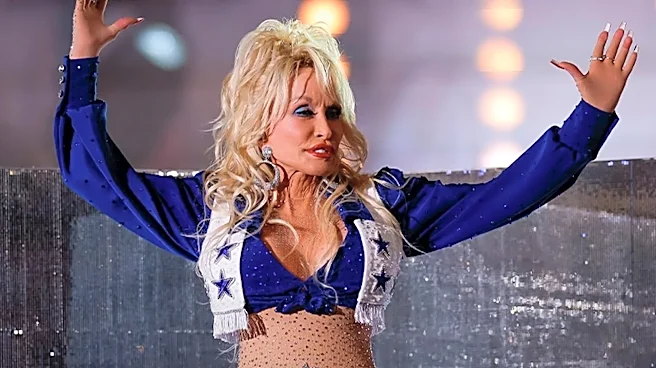
Newport is now synonymous with the unannounced, once-in-a-lifetime performance. This tradition has deep roots but exploded in the modern era with jaw-dropping appearances from legends like Dolly Parton, Paul Simon, and most unforgettably, Joni Mitchell in 2022. Mitchell's surprise set, her first substantial public performance in years, was a profoundly moving moment that made national news, cementing the festival's reputation as a place where anything can happen.
The Culture of Collaboration
More than just surprise cameos, Newport is built on a culture of collaboration. All-star jams have been a feature since the beginning, but under Sweet's curation, they have become a central pillar of the experience. Sets billed as "& Friends" see headliners like Hayley Williams or Brandi Carlile share the stage with a revolving door of fellow artists for unique duets and covers. This spirit turns the festival from a series of individual concerts into a singular, interwoven musical conversation.