







The New A-List Accessory
It’s no longer enough to just be seen at a game. Today’s celebrity involvement in soccer runs much deeper than a high-profile photo op. From Will Ferrell becoming a part-owner of LAFC to Matthew McConaughey serving as Austin FC’s official “Minister of Culture,”
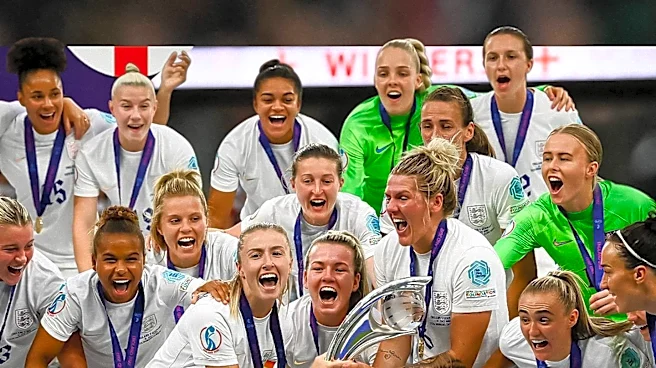
stars are embedding themselves into the fabric of American clubs. This trend isn't limited to men's soccer, either; the NWSL boasts owners like Natalie Portman, Serena Williams, and Naomi Osaka. This shift from passive viewership to active ownership and promotion signals a fundamental change. Celebrities bring more than just capital; they bring a global audience, marketing savvy, and a narrative hook that traditional sports investors often lack. In an age where attention is the most valuable currency, a famous face in the owner's box can transform a club’s commercial prospects overnight.
The 'Wrexham Effect' Comes to America
The blueprint for this phenomenon was perfected across the pond. When actors Ryan Reynolds and Rob McElhenney bought a struggling Welsh team, Wrexham A.F.C., and documented their journey, they didn’t just revive a club—they created a global sensation. The docuseries Welcome to Wrexham turned a fifth-division team into a household name in the United States, proving that storytelling is as powerful as on-field performance. The series focused on the underdog spirit of the town and its deep connection to the club, creating an emotional investment for viewers who had never heard of Wrexham before. Now, investors and celebrities are looking to replicate that success in the U.S. and beyond, with similar documentary-style projects in the works for other clubs. The lesson is clear: fans, especially new ones, don't just follow teams; they follow stories.
Spotlight on a Forgotten Tournament
This celebrity-fueled interest provides a massive opportunity for competitions like the Lamar Hunt U.S. Open Cup. Founded in 1914, it is the oldest national soccer competition in the country, yet it has historically struggled for widespread relevance compared to league play. While MLS teams have dominated for decades, the tournament's knockout format, which pits amateur and lower-division clubs against the giants, is ripe for the kind of underdog narratives that celebrities can help amplify. Early-round streaming numbers have often been modest, with many observers noting that fans like the idea of the Open Cup more than the reality of watching it. But a dash of Hollywood glamour could change that, drawing eyeballs to captivating local derbies and potential upsets that would otherwise go unnoticed by a national audience. The recent World Cup on U.S. soil has already demonstrated the immense magnetic pull of celebrities, with stars from Brad Pitt to Leonardo DiCaprio filling the stands for USMNT games.
Authenticity vs. Astroturf Fandom
The critical question, however, is whether this newfound attention is sustainable. Is the goal to build genuine, long-term soccer culture, or is it simply to create a new market for content and merchandise? The 'Wrexham effect' has its critics, who point out that the club's success was powered by spending that far outstripped their competitors, making it less of a fairytale and more of a financial inevitability. There's a fine line between authentic enthusiasm and a calculated marketing campaign. For every genuinely invested owner, there’s a risk of a celebrity simply lending their name for a paycheck, creating a hollow, “astroturf” fan culture that evaporates when the next big trend comes along. The challenge for U.S. soccer is to leverage this spotlight to build something real—to convert the curious onlookers drawn in by a celebrity into devoted fans who will stick around for a rainy Tuesday night cup tie, long after the A-listers have gone home.