


Little Richard didn't just play rock and roll; he was its architect, its emancipator, and its most flamboyant prophet. His spirit—a blend of sacred church shouts and profane blues, explosive energy, and gender-defying style—is eternal.
Prince
Perhaps no artist
inherited more of Little Richard’s revolutionary DNA than Prince. Richard himself called Prince 'the Little Richard of his generation,' and the lineage is undeniable. From the pencil-thin mustache and androgynous glamour to the sexually charged lyrics and genre-melting musicianship, Prince was a direct descendant. He channeled Richard's outrageous confidence and otherworldly talent, fusing funk, rock, and pop with a theatricality that felt both dangerous and divine. Prince took the freedom Richard pioneered and pushed it into a new dimension, proving that the spirit of rock and roll is one of perpetual reinvention.
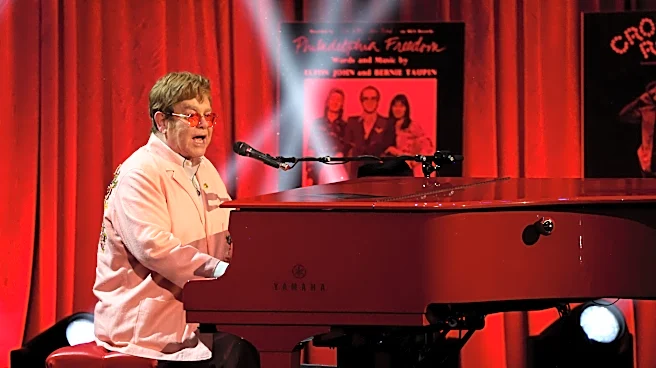
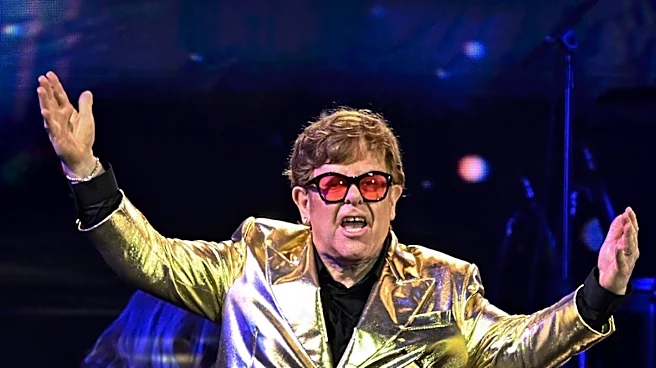
Elton John
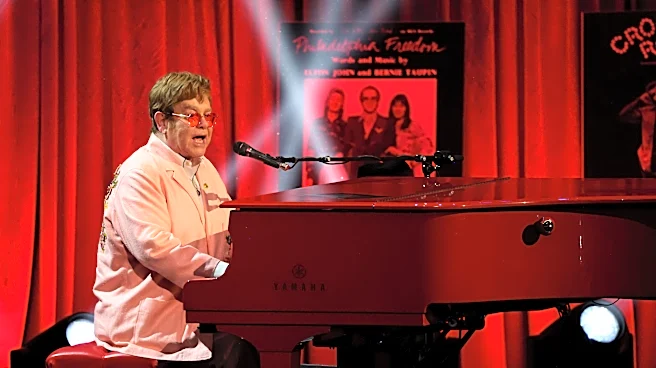
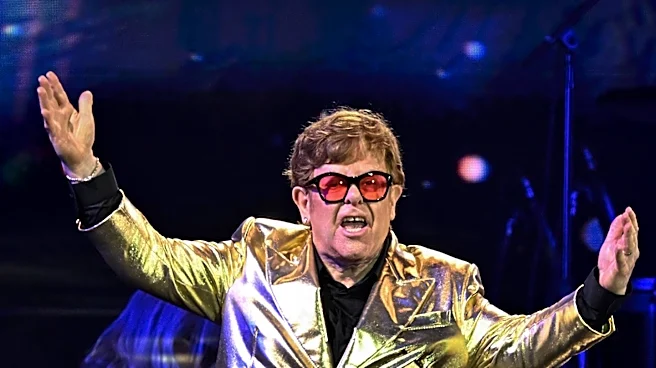
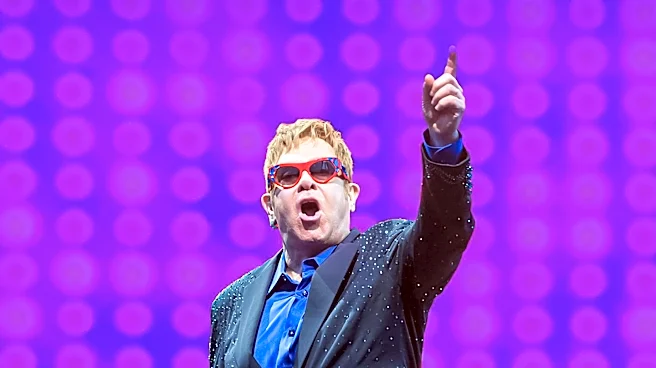
Before he was the Rocket Man, Elton John was a young musician who had his life changed by seeing Little Richard perform. 'When I saw Little Richard standing on top of the piano, all lights, sequins and energy, I decided there and then that I was going to be a rock'n'roll piano player,' he once recalled. Elton John took Richard’s 'pounder' piano style and flamboyant showmanship and made it his own signature. He has consistently credited Richard as his biggest influence, both musically and visually. That explosive, percussive piano on 'Saturday Night’s Alright (For Fighting)' is pure, unadulterated Little Richard energy.
James Brown
While the Godfather of Soul and the Architect of Rock and Roll were often seen as rivals, their legacies are deeply intertwined. James Brown idolized Richard’s showmanship and even served as his stand-in for gigs Richard was too busy to play. Brown took the raw, unhinged vocal power and stage-destroying energy Richard unleashed and channeled it into the tight, rhythmic precision of funk. The screams, the sweat, the absolute command of the stage—Brown learned those lessons from Richard, who was one of the first to treat a performance as a full-body, high-energy spectacle.
Freddie Mercury
Freddie Mercury’s command of a stadium audience and his unparalleled theatricality have roots in Little Richard's pioneering stagecraft. Richard was among the first rock frontmen to be truly larger than life, using flamboyant costumes and a dynamic presence to create an unforgettable show. Mercury took this blueprint and launched it into the stratosphere. While his influences were varied, from Liza Minnelli to Jimi Hendrix, the core idea of a rock singer as a fearless, boundary-pushing performer owes a significant debt to Richard's audacity. He showed future frontmen like Mercury that the stage was a space for absolute freedom.
Janelle Monáe
With her high-top pompadour, boundless energy, and genre-defying concept albums, Janelle Monáe is a modern torchbearer of Little Richard’s spirit. Her work blends funk, soul, and pop with a high-concept, Afrofuturist vision, much like Richard fused gospel and R&B into something entirely new. Monáe’s performance style—a whirlwind of sharp dance moves and pure joy—and her confident play with androgynous fashion directly echo the path Richard blazed decades ago when he declared himself both the 'King and Queen of Rock'n'Roll.' She embodies his innovative and convention-shattering legacy for a new generation.
Andre 3000
As one half of OutKast, Andre 3000 consistently challenged the norms of hip-hop, much like Little Richard broke the mold of popular music. His flamboyant fashion—from blonde wigs to colorful, eccentric outfits—and his refusal to be stylistically boxed in are hallmarks of Richard's influence. Andre 3000’s commitment to individuality, blending Southern style with avant-garde creativity, mirrors Richard’s own daring self-expression in an era of conformity. He pushed boundaries in both his music and his persona, proving that true artistry lies in fearless originality.
Harry Styles
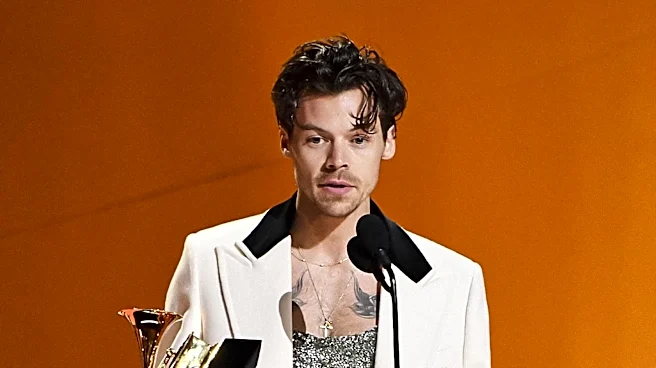
While separated by generations, Harry Styles channels the gender-fluid showmanship that Little Richard pioneered. Richard shattered 1950s conventions with his makeup and androgynous flair, paving the way for future artists to play with fashion and identity. Styles' embrace of skirts, boas, and other traditionally feminine attire on magazine covers and concert stages continues this legacy. By confidently defying rigid masculine norms, Styles follows in the footsteps of racialized artists like Little Richard and Prince, who first used fashion as a tool of rebellion and self-expression, making it safe for mainstream pop stars to do the same.