


The Illusion of Simplicity
At first glance, a pair of classic Milanese trousers seems almost deceptively simple. Unlike their Neapolitan cousins, often characterized by softer construction and expressive pleats, the Milanese ideal is one of sharp, clean lines. It’s a look that
projects quiet confidence and a certain business-like precision, born from Italy’s northern industrial and financial hub. The goal isn't to be flashy but to be impeccable. This aesthetic is built around a principle known as 'sprezzatura,' or studied nonchalance, but in Milan, that nonchalance is rooted in flawless structure. The magic isn't in added details; it's in what's stripped away and how the remaining silhouette is perfected. It’s a form of minimalism where the richness comes from the cut and the quality of the cloth, not from surface-level embellishments.
The Secret of the Clean Front
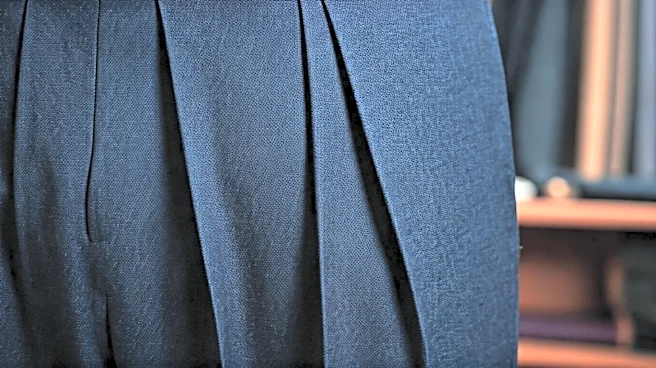
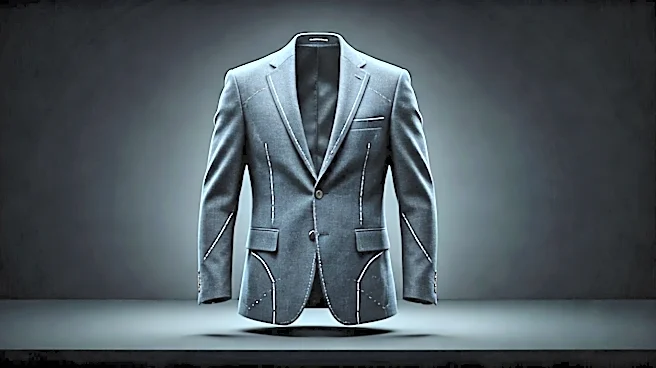
The most defining feature of a traditional Milanese trouser is its front. Many are cut 'senza pinces'—without pleats. Where pleats add volume and a touch of classical romance around the hips, the Milanese flat-front creates an unbroken plane of fabric. This is crucial for the drape. To achieve this, tailors favor a slightly higher rise, sitting at the natural waist rather than lower on the hips. This has two immediate benefits. First, it elongates the leg line, making the wearer appear taller and slimmer. Second, it provides a stable anchor point from which the fabric can fall cleanly, without buckling or pulling around the pockets. By eliminating pleats and perfecting the rise, the tailor forces the eye to follow a single, elegant vertical line, which is the very foundation of that distinctive Milanese drape.
It’s All in the Cut and Cloth
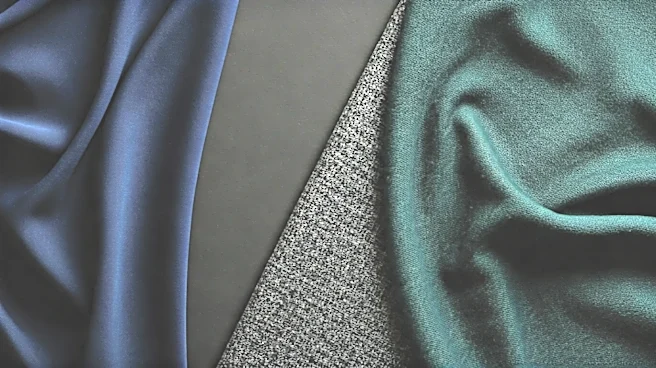
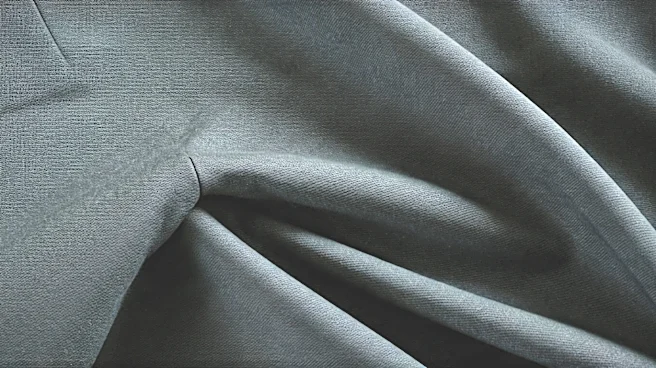
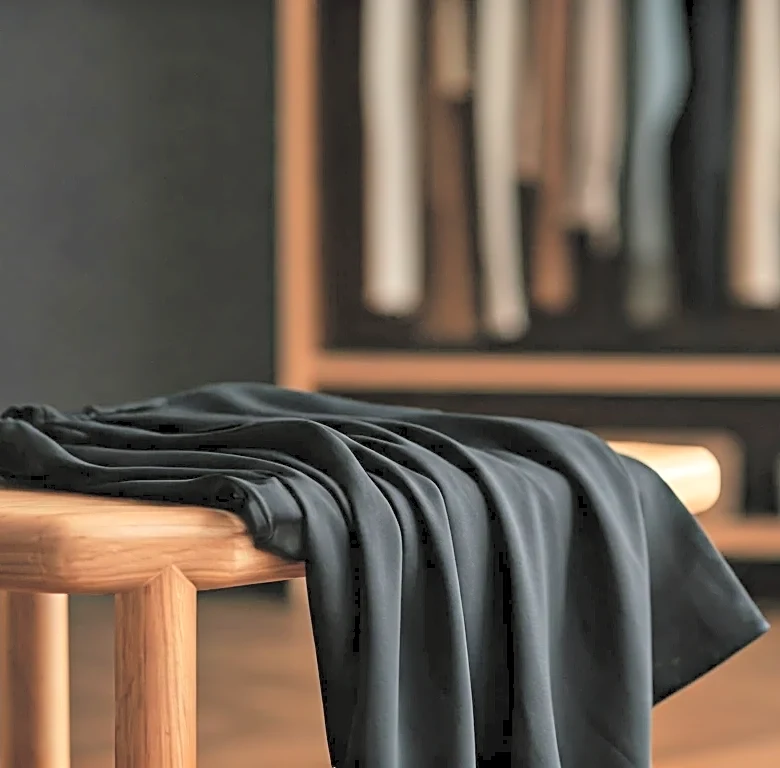
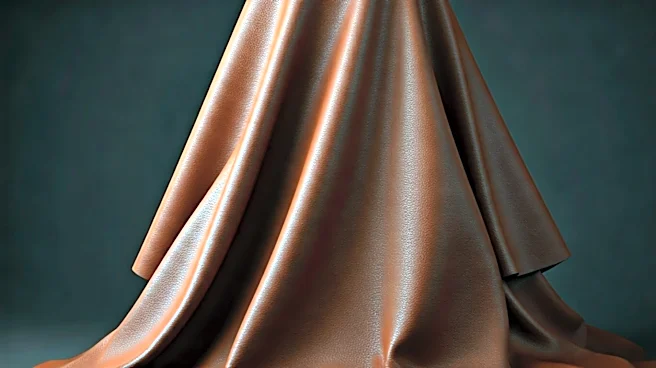
So, if it’s not pleats, what is it? The 'secret' is the specific way the pattern is cut and the choice of fabric. Milanese tailors are masters of cutting the trouser leg on a perfectly straight grain. This ensures the fabric’s natural weight pulls it directly downward, resisting twisting or rippling as you move. Think of it like a plumb line in construction; the trouser leg is engineered to hang true. Furthermore, they often use slightly heavier cloths—like high-twist wools or crisp flannels—that have enough body to hold their shape and create that beautiful, clean fall. The leg is often cut with a subtle taper, slim but not tight, allowing it to skim the body without clinging. This combination of a straight-grain cut, a higher rise, and substantial fabric results in trousers that move with you, maintaining their sharp silhouette whether you’re standing still or striding across a piazza. The drape isn't a feature; it's the outcome of a dozen precise, intentional decisions.
Why It Matters, Even in America
You don't need to fly to Italy or spend a fortune on bespoke tailoring to benefit from this knowledge. Understanding the principles behind the Milanese drape is a lesson in how fit and proportion work. It teaches you what to look for in any pair of trousers. When you’re shopping, pay attention to the rise. Do the pants sit at your natural waist, creating a more flattering line? Look at the front. Does it lie flat and clean? Observe how the fabric hangs. Does it fall straight, or does it twist and bunch? This Milanese ideal is a masterclass in the power of subtlety. It proves that a garment’s elegance often comes from its underlying architecture, not its overt features. Knowing this helps you diagnose why some clothes feel 'off' while others feel just right. It empowers you to choose pieces that don't just fit but actively flatter your frame, giving you that same sense of quiet, built-in confidence, no matter the brand on the label.