




An Antidote to Overload
To understand the 'Clean Girl,' you have to remember what came before it. The late 2010s were defined by more-is-more maximalism. Think heavy contouring, elaborate streetwear drops, and influencers doing massive fast-fashion hauls. Then, the pandemic
hit. Suddenly, the world felt uncertain and out of control. The 'Clean Girl' aesthetic emerged as a visual antidote. It promised minimalism, order, and control at a moment when those things felt scarce. By stripping away the excess, the look offered a sense of calm and a palette cleanser from the digital and real-world noise. It was less about a specific outfit and more about projecting a feeling of composure and self-care in a world that felt overwhelming.
The Rise of 'Effortless' Effort
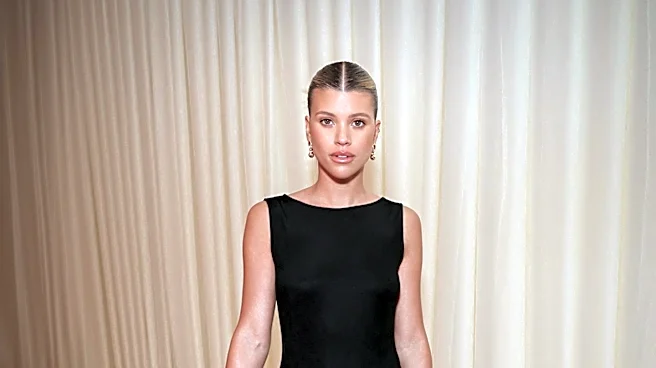
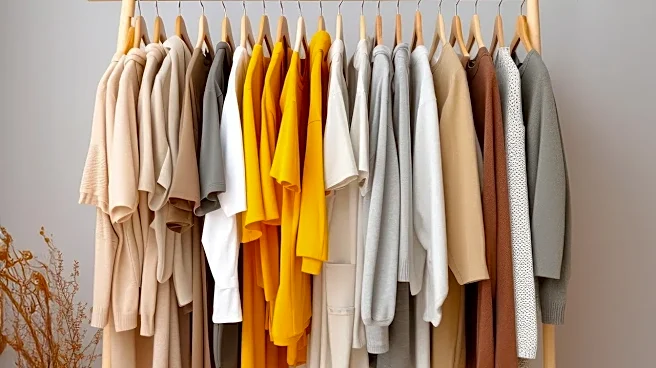
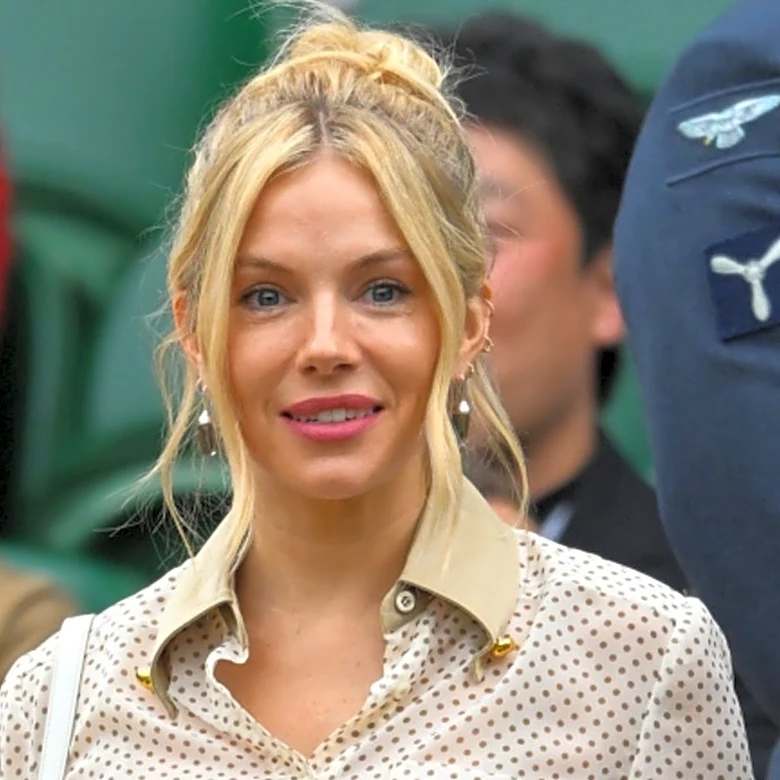
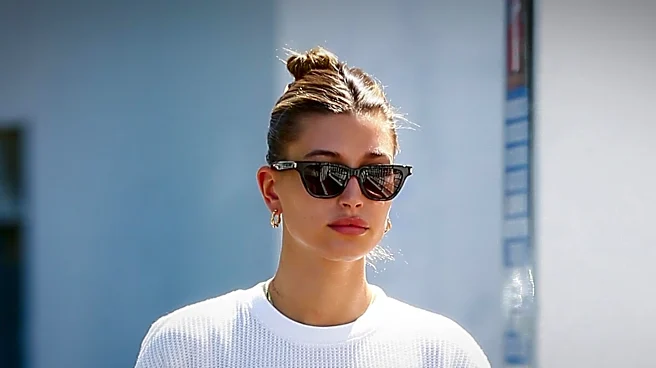
The aesthetic is defined by a specific uniform: a neutral color palette of beige, white, and black; simple, classic silhouettes like tailored trousers and blazers; and minimal accessories. The beauty look is equally important: a 'no-makeup' makeup look with glossy lips and glowing skin, and hair pulled back into a neat bun or ponytail. But the word 'effortless' is misleading. Achieving the 'Clean Girl' look often requires significant investment in high-end skincare, salon appointments, and a wardrobe of high-quality (and often expensive) basics. This combination of a seemingly simple look that requires backstage effort and expense became a new kind of status symbol, shifting focus from loud logos to the quiet confidence of looking perfectly put-together without appearing to try too hard.
Quiet Luxury in an Age of Anxiety
The timing also coincided with economic uncertainty and a growing fatigue with conspicuous consumption. Instead of flashy brands, the 'Clean Girl' aesthetic aligned with the burgeoning 'quiet luxury' movement. This philosophy favors timeless, unbranded, high-quality pieces over trendy, logo-heavy items. It’s a style that whispers wealth rather than shouts it. In a precarious economic climate, investing in a classic trench coat or a perfect pair of jeans felt smarter and more durable than chasing fleeting trends. The aesthetic provided a way to look polished and aspirational that felt more subdued and appropriate for a period of collective anxiety.
A Complicated and Controversial 'Cleanliness'
The trend was not without its critics. The very name 'Clean Girl' was called into question for implying that other, more expressive or diverse styles were somehow 'dirty' or less desirable. More significantly, the aesthetic was widely criticized for cultural appropriation. Key elements—like slicked-back hair, prominent gold hoops, and glossy lip liner—had been staples in Black, Latina, and South Asian communities for decades. These styles were often labeled as 'ghetto' or 'unprofessional' on women of color, only to be rebranded as chic and new when adopted by white influencers and celebrities like Hailey Bieber and Sofia Richie Grainge. This highlighted a frustrating pattern where the originators of a style are stigmatized, while others receive praise and profit for popularizing it.