



Decoding the Sonic DNA
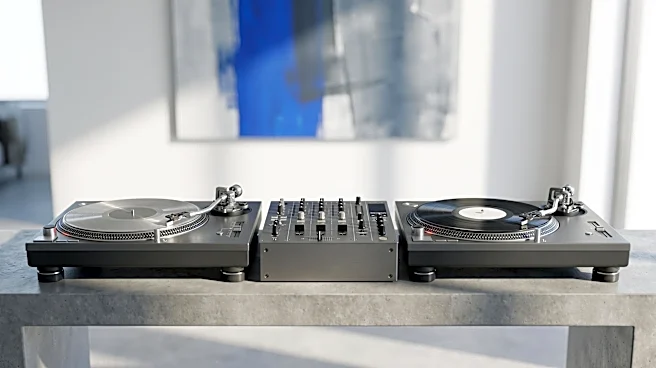
At the core of this rewarding game is the sample. Hip-hop was built on the art of repurposing what came before, from DJ Kool Herc isolating funk and soul breaks in the Bronx to DJ Shadow creating entire albums from found sounds. When a tribute performance
like the Grammys' 50th Anniversary celebration flawlessly transitions from Grandmaster Flash's “The Message” into a cascade of hits that followed, it’s more than a chronological playlist; it’s a live, evolving tapestry. Recognizing the drum break from James Brown’s “Funky Drummer” or a vocal snippet from an obscure soul track is a moment of shared history. It’s an acknowledgment that the producer and the listener are both in on the secret, sharing a language built over decades of crate-digging and close listening. This act of recognition feels less like trivia and more like solving a cultural equation in real-time.
The Power of the Ad-Lib
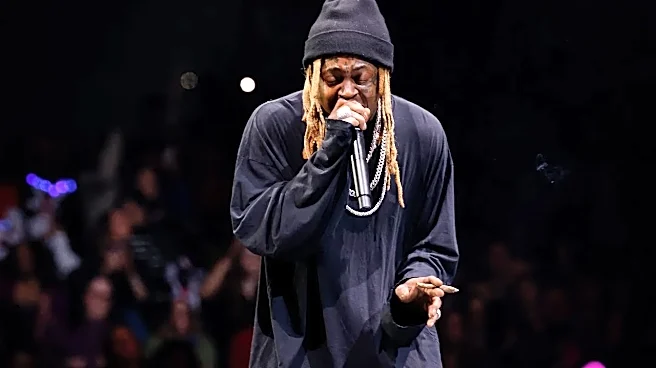
Beyond the beat, there is the ad-lib—the grunts, shouts, and signature phrases that are as much a part of an artist's identity as their flow. From the earliest days of Flavor Flav’s “Yeah boyeee!” to Rick Ross’s definitive “HUH!” or Travis Scott’s “It’s lit!”, ad-libs are sonic logos. In a tribute setting, they become powerful tools of endorsement and lineage. When Busta Rhymes performed a blistering medley for his BET Lifetime Achievement Award, every high-energy ad-lib wasn't just filler; it was a reaffirmation of his unmistakable style. When younger artists like Coi Leray incorporate elements of a legend's style into their own tribute performance, it functions as a dialogue between generations. Hearing Jay-Z rap along in the crowd to Method Man's verse during the Grammy tribute is a perfect example—a nod of respect from one icon to another, understood instantly by anyone who has the lyrics memorized.
A Timeline Told in Footwork
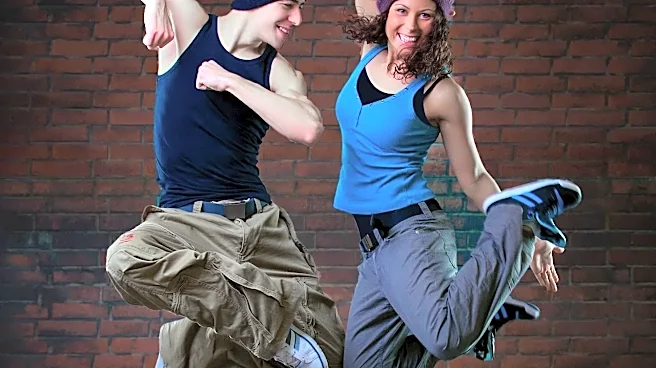
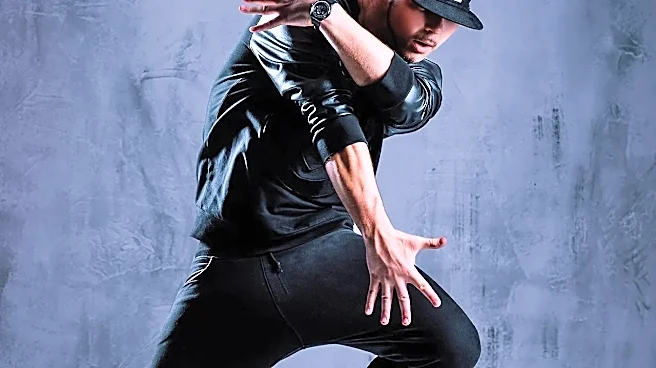
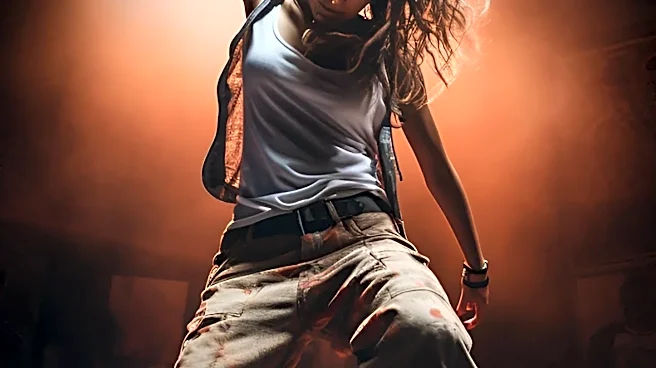
Hip-hop's history isn't just auditory; it's physical. Dance is woven into its fabric, and tribute performances often use choreography to pay homage to entire eras. Seeing a quick flash of MC Hammer's signature shuffle pants or Lil Uzi Vert breaking into his viral “Just Wanna Rock” dance in a medley isn't just for show. These moments serve as visual timestamps. When a performance moves from the running man to the dougie to a TikTok-era craze, it’s tracing the culture's evolution through movement. It rewards the viewer who remembers begging their parents for parachute pants or who spent hours trying to perfect a dance challenge. It’s a kinetic history lesson where every step tells a story of a specific time and place in the culture's journey from block parties to global stages.
Winks, Nods, and Throwback Threads
Fashion in hip-hop has always been a statement. From LL Cool J’s Kangol hat and Run-DMC's laceless Adidas Superstars to Pharrell's trucker hats, certain items become synonymous with an era. When an artist on a tribute stage rocks a Coogi sweater reminiscent of The Notorious B.I.G. or a throwback jersey from a specific year, it’s a deliberate and powerful callback. These visual cues are for the fans who not only listened to the music but consumed the entire aesthetic. It’s a nod to the style bible created by music videos and magazine spreads over the last 50 years. Recognizing that specific leather jacket or that particular style of chain isn’t just about having a good memory; it’s about understanding how the culture has always been a multisensory experience, where the look is as important as the sound.