



The Seductive Promise of a Quick Fix
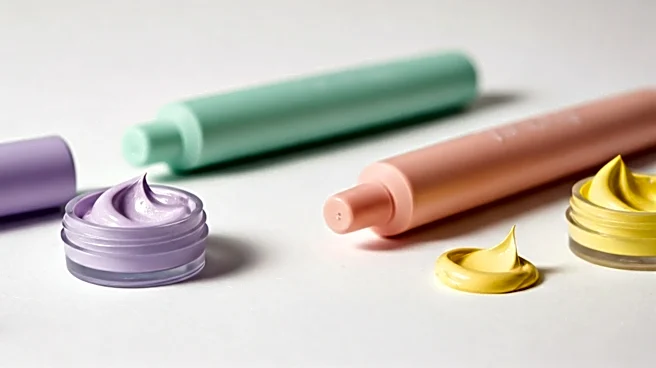
First, let’s acknowledge why these primers are so popular. The concept is rooted in basic color theory: opposite colors on the color wheel cancel each other out. A green primer is meant to neutralize redness from rosacea or acne. A lavender one counteracts
yellow, sallow tones. Peach or orange primers are designed to mask blueish dark circles, especially on deeper skin tones. For the average person, this sounds like a dream—a single, foolproof step to even out your complexion before you even touch your foundation. Brands market them as the ultimate shortcut to flawless skin, and for many users, they provide a visible, immediate improvement that’s hard to argue with.
The Traditionalist View: Artistry Over AIO
Here's where the disagreement begins. Many classically trained makeup artists—the kind who learned their craft long before Instagram tutorials—view full-face color correctors with skepticism. Their philosophy is often “skin first, product second.” They believe the goal is to make skin look like perfect skin, not a perfectly painted canvas. From this perspective, slathering a green-tinted primer all over your face to treat a few red spots is overkill. It can create an ashy, flat base that requires more foundation to look human again. The traditional technique is far more precise: use a tiny, highly-pigmented concealer in a correcting shade and apply it *only* where needed with a small brush, blending it seamlessly into the skin. This approach requires more skill and time, but its proponents argue that it results in a more natural, skin-like finish that uses less product overall.
The Modern Realist View: Efficiency Is King
On the other side of the debate are the pragmatists. These artists, often working in fast-paced environments like television, photoshoots, or with celebrity clients on a tight schedule, see color-correcting primers as an invaluable tool. When you need to create a flawless, long-lasting base that will look perfect under harsh lighting or in 4K resolution, efficiency is crucial. A primer creates a uniform canvas, ensuring foundation applies smoothly and stays put. It can also be a lifesaver for clients with widespread discoloration, where spot-correcting would be impractical. For these artists, a primer isn’t a crutch; it’s a deliberate choice to build a durable, camera-ready look. They argue that the “too much product” problem is often due to poor application, not the product itself.
The Real Debate: Technique vs. Tool
Ultimately, the disagreement isn't really about whether color-correcting primers “work.” They do, in the sense that they alter the color of the skin they’re applied to. The real debate is philosophical. It's about the purpose of makeup. Is it to subtly enhance natural features, or to create an idealized, flawless surface? It’s also a classic clash of technique versus tool. One school of thought champions the artist's hand and skillful, targeted application. The other embraces new product technology that can achieve a similar (though different) result more quickly and with less specialized training. There's also the client factor. A professional artist has the skill to spot-correct, but a beginner at home is more likely to get a better result from a user-friendly primer.
So, What's the Right Answer for You?
As with most things in makeup, there is no single right answer. The best approach depends entirely on your skin, your skill level, and your desired outcome. If you have minor, localized redness and want a natural, everyday look, try the artist's technique: a high-quality green concealer applied sparingly with a small brush just on the red areas. If you have more widespread sallowness or redness and are preparing for a special event or photos, a thin layer of a good-quality color-correcting primer might be your best friend. The key is to see the primer not as a mandatory step, but as one of many available tools to help you achieve your specific goal.