




More Than Just a Trophy
From its debut in 2004, 'VH1 Hip Hop Honors' established a different mission. Unlike other awards shows that prioritize commercial success and recent chart performance, this event was conceived as a televised hall of fame, focusing on the architects and pioneers
who shaped the culture. The show’s producers made a deliberate choice to honor long-term influence over fleeting popularity. Honorees included not just rappers but foundational figures like Kool Herc and Grandmaster Flash, graffiti artists, and even groundbreaking films. This approach immediately framed hip hop not as a collection of hit singles, but as a rich, multi-faceted cultural movement with a history worth exploring. By celebrating the roots, the show gave mainstream audiences a much-needed history lesson, presenting the genre’s elder statespeople with the reverence typically reserved for rock and roll legends.
Spotlighting the Architects
Perhaps the most crucial storytelling decision was the emphasis on those behind the scenes. The show frequently honored the producers, DJs, and visionaries who built the sounds that defined eras. In 2010, the ceremony celebrated the “Dirty South,” paying tribute to producer Jermaine Dupri and the production team Organized Noize, who were instrumental in putting Atlanta on the hip hop map. In other years, figures like Teddy Riley, celebrated as a pioneer of New Jack Swing, were given their flowers. This was a masterstroke of historical narration. By focusing on the producers, the show’s creators explained that the beat was as fundamental as the rhyme. They taught a primetime audience that hip hop is a producer’s medium, where the sonic architect is often the true auteur. This shift in focus provided a deeper, more nuanced understanding of the music, moving the narrative beyond the voice on the microphone.
The Art of the Tribute
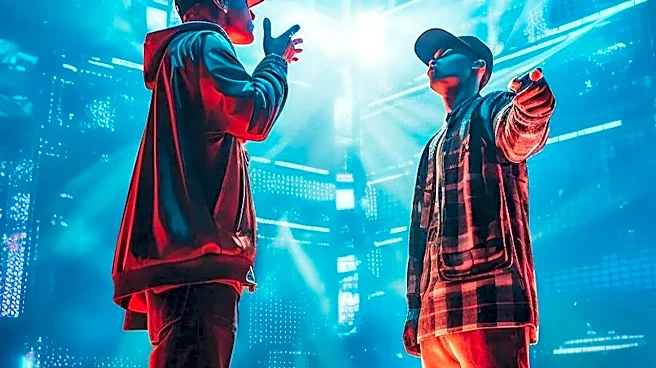
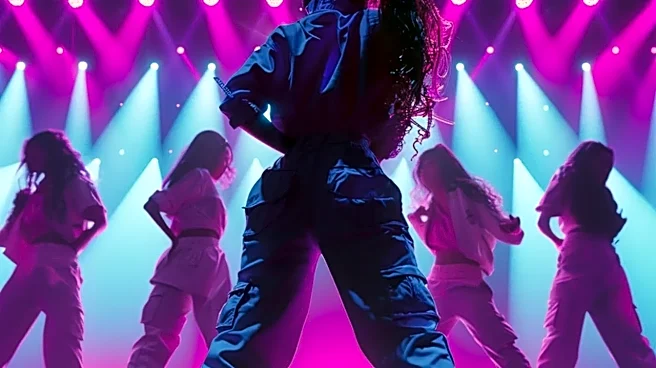
The show's producers understood that history is most powerful when it feels alive. The core format revolved around tribute performances where contemporary artists performed the iconic tracks of the honorees. This wasn't just a cover band; it was a televised passing of the torch. Seeing artists like Nas pay tribute to 2Pac, or a medley of stars honor Public Enemy, created a visible through-line connecting the genre’s past and present. These moments were carefully crafted television, combining documentary-style testimonials with high-energy live sets. The 2016 revival, themed 'All Hail the Queens,' honored pioneers like Salt-N-Pepa, Queen Latifah, Missy Elliott, and Lil' Kim, with a new generation of artists reinterpreting their classic works. This format transformed historical fact into emotional, engaging primetime content, making decades-old tracks feel urgent and new.
Cementing a Mainstream Legacy
For years, hip hop was treated as a disruptive, and often misunderstood, force in American culture. 'Hip Hop Honors' was instrumental in shifting that perception. By dedicating a recurring, high-production primetime slot to the genre’s history, VH1 and the show’s producers—including figures like Nelson George and Fab 5 Freddy on some editions—validated hip hop’s place in the broader cultural canon. They didn’t shy away from the genre’s regional diversity, dedicating shows to the West Coast, the South, and the 25th anniversary of Def Jam Records. The program treated hip hop’s story with academic rigor but presented it with primetime flair, complete with elaborate stage design and star-studded presenters. It told a national audience that the story of Run-DMC, Queen Latifah, or Dr. Dre wasn't just music history, but American history.