



Sticker Shock and the Aftermarket Frenzy
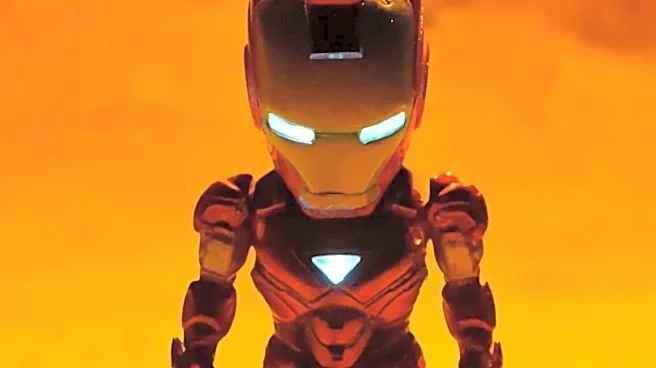
Let’s be honest: the initial price is just the beginning. At San Diego Comic-Con, fans line up for hours for the chance to buy exclusives. These items, made specifically for the event by companies like Hasbro, Funko, and Bandai, are produced in limited
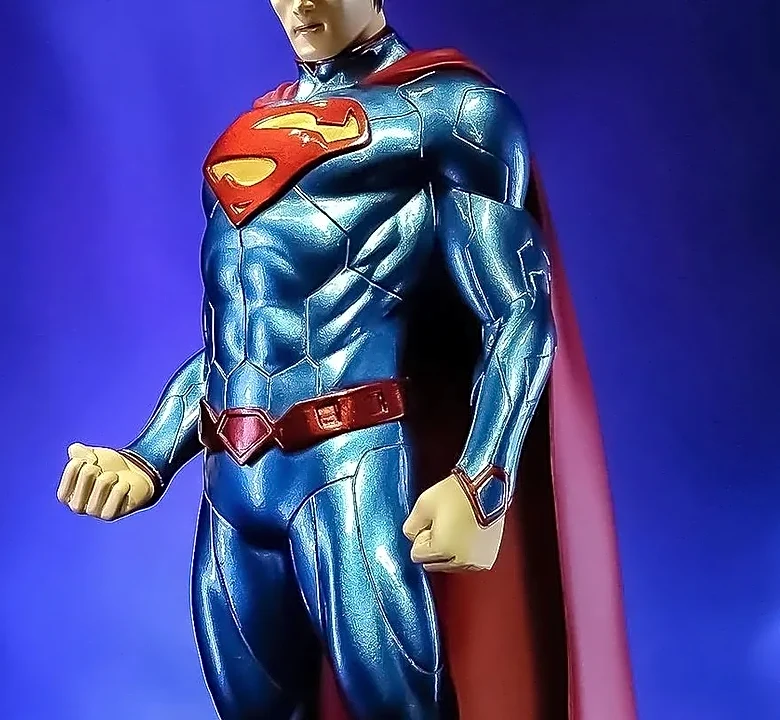
quantities—sometimes only a few hundred or even a few dozen units. A Hellboy Sofubi figure might run you $175 at the Dark Horse booth, while a variant comic from a superstar artist could be $125. This scarcity is by design. It creates buzz and ensures that many items sell out. What happens next is predictable: the aftermarket explodes. That $175 figure or $60 vinyl might appear on eBay hours later for double, triple, or even ten times the price, a phenomenon seen with everything from Funko Pops to rare comic variants. For many, this secondary market is where the real hunt begins—and where prices can feel truly disconnected from reality.
The Investment Angle: Playing the Market
Can a toy be a sound financial investment? Sometimes. Certain exclusives have seen massive returns. A Planet Arlia Vegeta Funko Pop from a past New York Comic Con is now valued at over $3,000. But for every high-flyer, there are countless exclusives that barely hold their retail value or even drop in price after the initial hype fades. The value depends on a tricky formula of character popularity, edition size, and cultural relevance. A first appearance of a major character in a limited foil variant might appreciate significantly, while a paint variant of a more obscure figure might not. Relying on exclusives as an investment is a gamble. It requires deep knowledge of the market and a bit of luck. Most seasoned collectors will tell you not to buy for investment purposes alone; buy it because you love it. If it goes up in value, that’s just a bonus.
The 'Worth' Beyond Your Wallet
Here’s the part of "worth" that doesn’t show up on an auction tracker: the personal value. For many, collecting isn't about financial returns; it's about passion. The psychology behind it is powerful, tapping into what some call "the thrill of the hunt"—a deep-seated drive for completion and achievement. Getting that final piece to complete a set provides a genuine sense of satisfaction and control in a chaotic world. A collection is also a physical autobiography. It tells the story of the shows, movies, and characters that shaped you. That exclusive figure isn't just molded plastic; it's a repository of memories, a symbol of identity, and a connection to a community of fellow fans who understand why it matters so much. In that context, the price can feel secondary to the emotional payoff.
A Collector's Guide to 'Worth It'
So, how do you decide whether to pull the trigger on that pricey exclusive? Instead of just looking at the price tag, ask yourself a few key questions. First, do you love the item itself, regardless of its potential resale value? If it lost half its value tomorrow, would you still be happy to have it on your shelf? Second, is your purchase driven by genuine passion or by FOMO (Fear Of Missing Out)? The convention floor is designed to create a sense of urgency, but a decision you regret later is never worth it. Finally, consider your budget. The cost of attending Comic-Con can already be substantial, and adding a multi-hundred-dollar purchase on top of that may not be feasible. Sometimes, the most satisfying choice is to admire the item, take a picture, and spend your money on smaller treasures from Artist Alley or on experiences with friends.