
The Post-Screening Q&A: Immediate Reaction
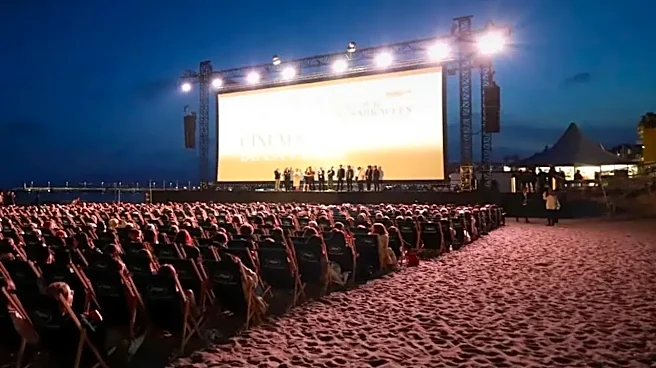
The post-screening Q&A is a festival staple. You’ve just seen the film, the credits are rolling, and the lights come up as the director, and often cast members, walk onto the stage. The energy in the room
is immediate and tied directly to the film you all just experienced. The insight here is specific and contextual. This is the place for questions about a particular scene, a specific character choice, or the on-set challenges of the movie just shown. According to attendee reports, almost every premiere screening at venues like the BFI Southbank and Curzon cinemas will have some form of Q&A. The format is often a brief, moderated discussion followed by questions from the audience, making it a communal, and sometimes unpredictable, experience. The upside is the raw, direct connection to a specific work. The downside? The quality of insight can be a lottery, dependent on the moderator's skill and the focus of audience questions.
The Screen Talk: A Career Deep Dive
A Screen Talk is a different beast entirely. This is a standalone, ticketed event, structured as an in-depth, hour-long interview with a major figure in cinema. Think of it less as a post-match analysis and more as a career retrospective. The 2026 festival, for instance, features major names like Sofia Coppola, Andrew Scott, Danny Boyle, and Jesse Eisenberg. Here, the conversation is broader, covering an artist's entire body of work, their creative process, influences, and philosophies on filmmaking. The format is more controlled, usually led by an experienced host or journalist, which ensures a high-quality, focused discussion. You’re not just learning about their latest film; you’re learning about their journey and their craft. These are prestigious, 'masterclass' style events designed to provide deep, overarching insights into a creator's mind.
Atmosphere and Access
The atmosphere of each event type is distinct. A Q&A feels like an extension of the screening—an informal, shared debrief. You’re among people who have just had the exact same emotional or intellectual experience. It’s spontaneous and can feel very connected. Screen Talks, often held in larger venues like the Royal Festival Hall, have a more formal, prestigious air. They are a main event in themselves, a chance to be in the room with a cinematic titan. For attendees, this is the difference between discussing a single recipe with the chef right after dinner versus attending a dedicated seminar where the chef explains their entire culinary philosophy. Both are valuable, but they serve different purposes and create very different audience experiences.
The Verdict: Depth vs. Immediacy
So, which gives you more creative insight? The answer depends entirely on what you’re seeking. If your goal is to understand the specific choices, challenges, and anecdotes behind a single film you’ve just fallen in love with, the Q&A is your best bet. Its immediacy is its greatest strength, providing a direct lens into one particular project. However, if you are looking for broader, more profound wisdom about the art and craft of cinema from a seasoned professional, the Screen Talk is unequivocally superior. It offers a curated, career-spanning conversation that delivers consistent, high-level insight. The Screen Talk is about the 'why' and 'how' of an entire career, while the Q&A is about the 'what' of a single film.