


The Runway as a Design Laboratory
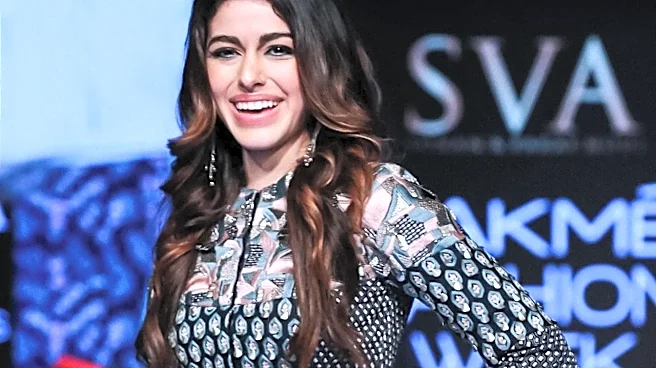
First, it’s crucial to understand that a runway show is not a direct-to-consumer catalog. Designers often use Fashion Week to present big ideas, artistic concepts, and extreme silhouettes that are meant to generate buzz and showcase their creative vision.
Think of these collections as the concept cars of the fashion world; they’re not intended for your daily commute, but they introduce new technologies and design language that will eventually find their way into mass-market vehicles. The most extravagant pieces are often loaners for editorial shoots and celebrity events, serving as marketing tools rather than retail products. They are the purest expression of a designer’s seasonal theme, which then gets toned down for production.
The Great Fashion Filter
Between the runway spectacle and your closet lies a powerful group of gatekeepers: fashion editors, retail buyers, stylists, and influencers. Historically, editors and buyers held all the power, attending shows and private showroom appointments to decide which pieces would be ordered, featured in magazines, and ultimately sold in stores. Today, that process is supercharged by social media. Celebrities and influencers are often given looks before they even hit the runway, generating early hype. Brands can gauge public reaction in real-time based on likes and comments, giving them data on which ideas have commercial potential. This group acts as a filter, translating the high-concept runway themes into more practical and palatable versions for consumers. A seven-foot-tall runway heel might become a more practical three-inch option in the store.
The Psychology of 'Yes' or 'No'
Ultimately, a trend lives or dies with the consumer. Several psychological factors determine whether we embrace a new style or reject it. The biggest drivers are the desires for self-expression, social acceptance, and novelty. We adopt trends to signal belonging to a certain group or to communicate our personality and status. This is where the trend adoption cycle comes in. A new idea starts with “innovators” and “early adopters,” risk-takers who enjoy standing out. As the trend is seen on more people, it gains social proof, encouraging the “early majority” and “late majority” to join in what's known as the bandwagon effect. A trend fails if it's too impractical, too far outside social norms, or if it simply doesn't align with the current cultural mood.
From Concept to Closet
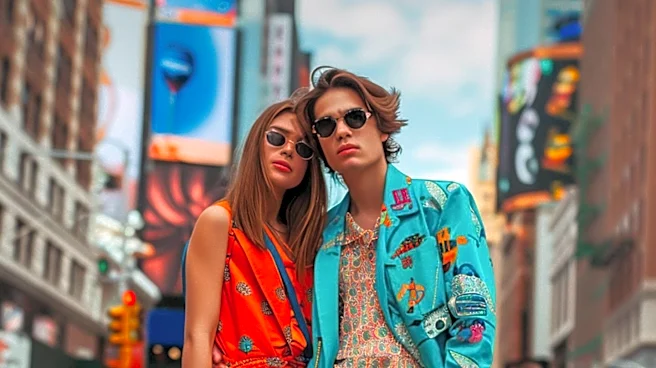
So how does a successful trend make the leap? It’s all about dilution and adaptation. An outrageously oversized shoulder pad on a runway jacket might be distilled into a subtly puffed sleeve on a blouse at a department store. The vibrant, head-to-toe red seen in a designer collection might inspire consumers to simply add a red handbag or shoe to their wardrobe. Street style often serves as the bridge, showing how real people interpret and mix high-fashion ideas into their daily lives. While the runway provides the initial spark, it is this ecosystem of stylists, social media, and individual creativity that ultimately decides which ideas become the defining looks of a season and which are left behind as footnotes in a designer's archive.