


The Wound That Creates the Man
Every great antihero has a formative wound, a moment of trauma that forges their worldview. For Tony Soprano, it was a childhood shaped by a ruthless mother and a mobster father. For Walter White, it was a lifetime of perceived slights and emasculation.
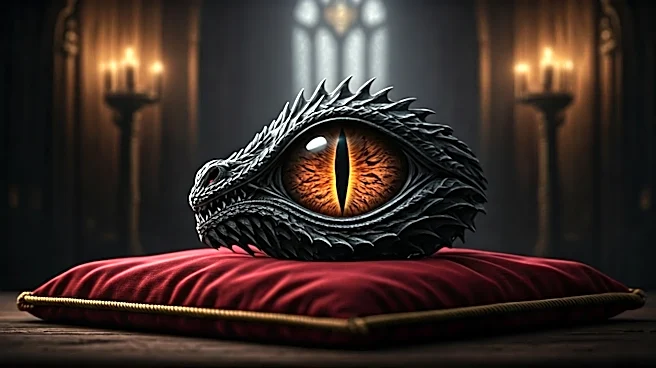
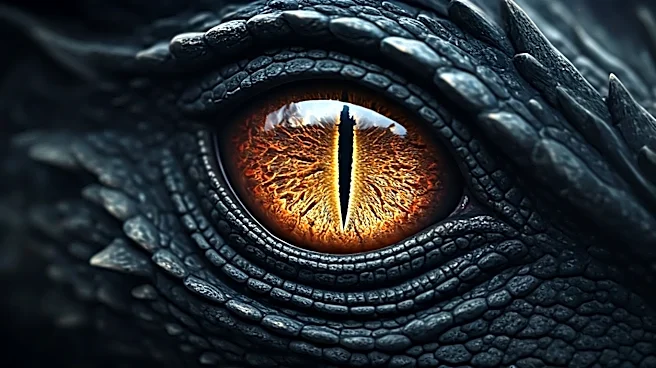
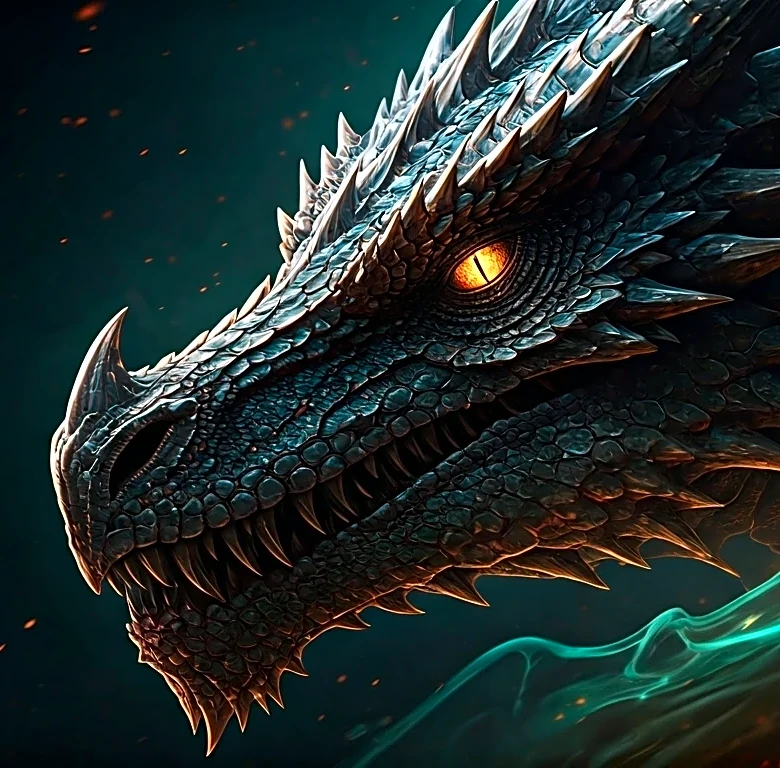
For Aemond Targaryen, it was the night he claimed the colossal dragon Vhagar and lost his eye in the ensuing brawl. That violent confrontation didn’t just scar him physically; it instilled in him a core belief: power is everything, and he will never be made to feel weak or small again. The boy who was mocked for not having a dragon overcompensated by claiming the largest one in the world, at a terrible cost. This incident is the bedrock of his entire persona—a relentless pursuit of strength and respect, driven by the ghost of a terrified, maimed child.
A Warped Code of Honor
Simple villains are driven by chaos or pure malice. Antiheroes, however, operate by a distinct, often violent, personal code. They have lines they won’t cross and others they draw with a sword. Aemond embodies this. He is a warrior, first and foremost, who respects strength and despises weakness. He studies scripture and history, viewing his role not as a usurper but as a righteous defender of his family’s claim. His chilling confrontation with his nephew Lucerys over Storm’s End wasn't initially a mission to kill; it was a demand for an 'eye for an eye,' a debt he felt was owed. This isn't the logic of a madman but the cold calculus of a man with a deeply ingrained, if brutal, sense of justice. It’s this adherence to his own twisted principles that makes him so compellingly dangerous. You can almost follow his logic, even as you recoil from his actions.
Ambition Disguised as Duty
“I did it for my family.” It’s the classic refrain of the prestige-TV antihero, from Walter White justifying his meth empire to Tony Soprano balancing his two families. Aemond Targaryen uses the same playbook. Every aggressive move he makes is framed as a necessary action to protect his mother, his brother King Aegon II, and the legitimacy of the “Greens.” He sees himself as the true strength behind the throne, the only one with the discipline and ruthlessness to win the war. While his ambition is clearly personal—he revels in his power and martial prowess—he cloaks it in the noble language of duty. He is the family's enforcer, the one willing to do the ugly work that others, like his often-inebriated brother, cannot. This allows him (and, to an extent, the audience) to rationalize his terrifying behavior as a grim necessity rather than pure sadism.
The Flicker of Vulnerability
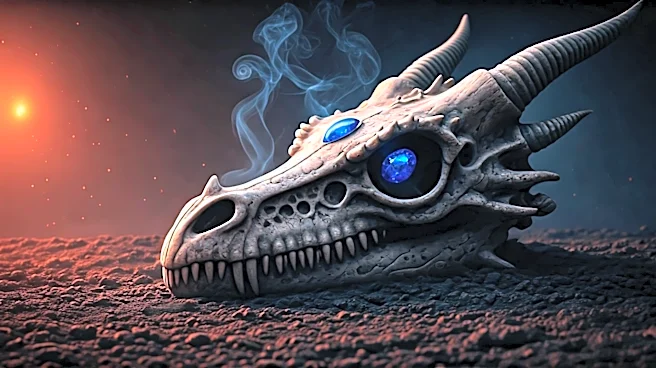
What truly separates an antihero from a mustache-twirling villain is the flicker of humanity that peeks through the cracks. For all his cold fury, Aemond is not a monster 24/7. The most pivotal moment is the look of pure shock and horror on his face after Vhagar, acting on her own instincts, chomps Lucerys and his dragon out of the sky. In that instant, he is not Prince Aemond the Kinslayer; he is a young man who lost control of a living weapon of mass destruction and accidentally started a catastrophic war. That single expression reveals the boy beneath the sapphire eye and leather armor. It’s a moment of vulnerability that doesn't excuse him but complicates him. It proves he is not beyond consequence or even regret, making his inevitable descent into further darkness all the more tragic—and compelling to watch.